
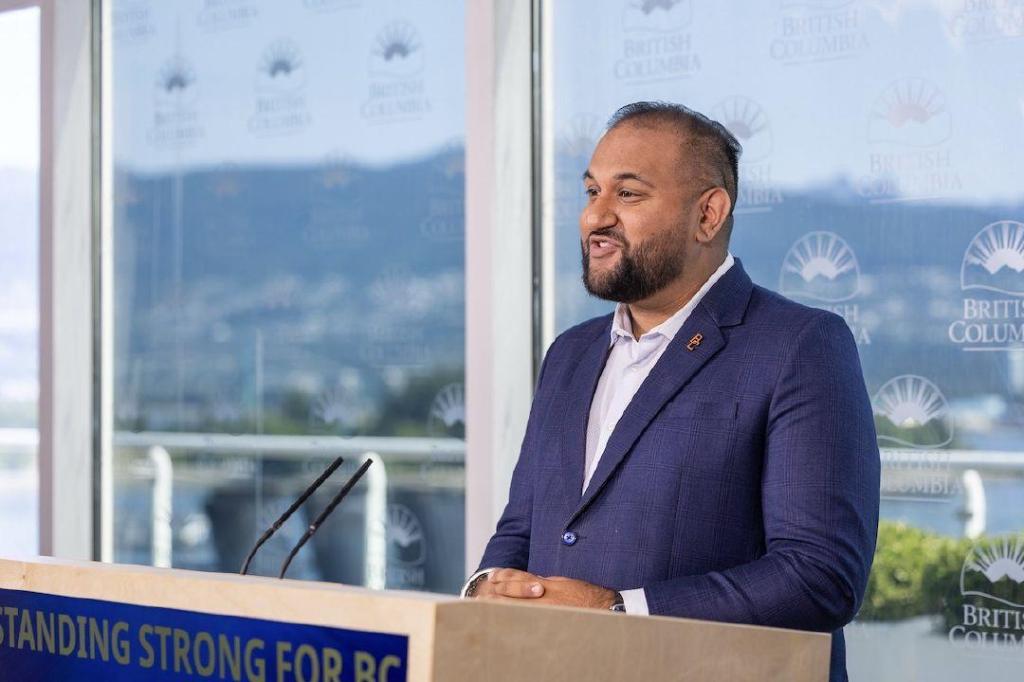
B.C. piloting landscape-level forestry zone-based management
Published 3:34 pm Thursday, August 27, 2026
B.C. is planning to pilot a new system of forestry zones that Forests Minister Ravi Parmar says will simplify forest management.
“This is going to help shape the future of forestry,” he said.
The plan would create three types of zones: a conservation or protection zone that emphasizes habitat protection, a multiple-use zone focused on long-term ecosystem function but allowing different types of uses, and a working forest zone prioritizing harvesting.
The province is working with First Nations and other stakeholders to decide where to test the new scheme. Pilot areas will be announced this fall.
This type of landscape-level planning has long been recommended in various independent reports, such as the 2020 Old Growth Strategic Review and the more recent Provincial Forestry Advisory Council report earlier this year.
Parmar says the new zone-based system will reduce permit complexity and wait times for lumber companies, while addressing issues companies are having accessing economically viable timber.
“The working forest landscape model allows us to be able to build a working forest for working people that ensures that we can address the challenges the sector is facing,” he said.
Parmar also says it will include a “no net loss provision” in the managed forest.
“That no net loss provision means that any time we take from the working forest, we have to add back in,” he said.
Parmar hopes this new arrangement will aid wildfire mitigation, as well as better manage timber extraction and ecosystem protection.
This could mean opening up areas once fully protected.
“Certainly, what I’ve heard in my time in the Okanagan in the last two days is communities wanting to do more wildfire risk mitigation work,” Parmar said. “And that includes in areas that typically we have protected in the past.”