
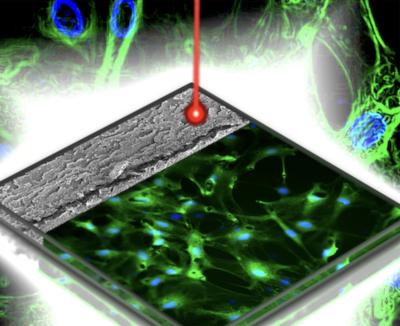
Researchers at Italy’s National Research Council (CNR) – specifically its Institute for Organic Synthesis and Photoreactivity (Cnr-Isof) and Institute of Nanostructured Materials (Cnr-Ismn) – working with Ca’ Foscari University of Venice, the University of Ferrara, and the University of Bologna, have developed a graphene-based bioelectronic platform that combines sustainable materials, biochemical sensing, and neural stimulation in a single biodegradable device, aimed at both monitoring and modulating activity in brain tissue.
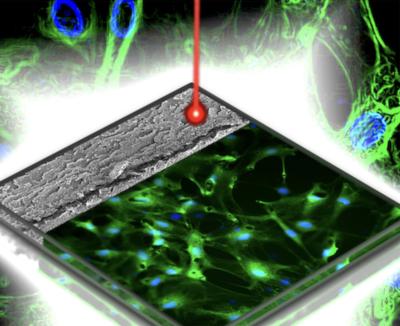
The platform is built from poly(lactic acid) (PLA) and graphene oxide, processed through a green, water-based manufacturing route and turned into conductive electrodes through laser functionalization rather than more environmentally costly fabrication methods. The approach is meant to address the growing footprint of implantable and wearable medical electronics by keeping the device fully biodegradable and biocompatible while still delivering the electrical performance needed for neural interfacing.
The resulting electrodes are dual-purpose. On the sensing side, they electrochemically detect catecholamine neurotransmitters, including adrenaline, dopamine, and noradrenaline, with the team reporting performance that exceeds conventional commercial carbon-based electrodes while retaining full biodegradability. On the stimulation side, the same laser-patterned graphene material can selectively modulate calcium signaling in astrocytes, the glial brain cells increasingly recognized as active participants in brain function and dysfunction rather than merely supportive tissue. By tuning the electrode’s laser-patterning parameters, the researchers could control the intensity and dynamics of astrocyte responses to electrical stimulation, a capability they say opens new avenues for studying neuron-glia communication and for developing bioelectronic therapies that target glial cells directly.
Central to the work is the finding that materials-processing parameters, laser fluence in particular, can be used to tune the electrical, structural, and electrochemical properties of the graphene electrodes, allowing the sensing and stimulation functions to be co-designed into the same device rather than requiring separate platforms. The team frames this as a step toward a new generation of multifunctional, environmentally responsible neuroglial technology sitting at the intersection of nanostructured graphene synthesis, bioelectronics, and sustainable electronics.
“The platform provides highly sensitive and selective electrochemical detection of neurotransmitters, offering new opportunities for real-time biochemical monitoring,” said Chiara Zanardi of Cnr-Isof. Valentina Benfenati, also of Cnr-Isof, said the astrocyte-modulation capability “offers a powerful new tool to investigate the active role of astrocytes in brain function and disease,” adding that it aligns with broader international efforts to develop sustainable electronics targeting astrocytes for future neurological therapies. “This work demonstrates how graphene nanomaterials, advanced laser manufacturing, and sustainable composites can be combined to deliver next-generation bioelectronic functions, paving the way for environmentally responsible neuroglial technology,” said Dr. Emanuele Treossi.