
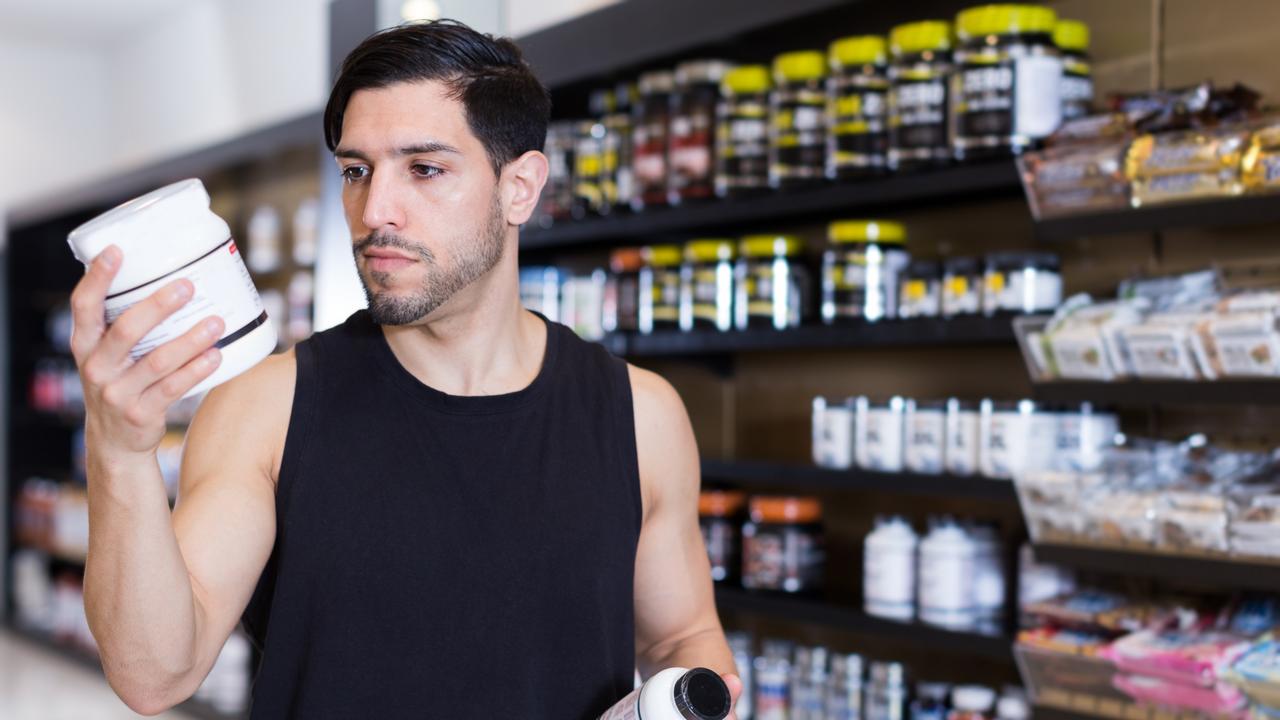
Experts warn weak regulation is failing to keep up with the surging use of protein powders and sports supplements being peddled by influencers, leaving consumers exposed to untested, potentially hazardous products.
In Australia and New Zealand, supplements such as protein powders, nutrition bars and sports drinks are not typically regulated by the Therapeutic Goods Administration but are instead the responsibility of state and territory food enforcement agencies. However, Queensland authorities only step in after a consumer blows the whistle.
Dr Nick Yim, the former president of the Australian Medical Association Queensland, said there was a critical regulation gap for imported products entering the market.
“Over the past couple of years, there has been an increased use of protein powders and sports supplements, and often many of these products entering our market are unregulated,” he said.
“Influencers are promoting these products, and unfortunately there can be risks involved because all these products are not tested.”
Dr Yim warned some of these products could be contaminated with other substances that are not declared.
“Similarly, people with existing healthcare issues taking protein powders can lead to additional pressures on the kidneys and liver and cause long-term harm,” he said.
A recent analysis of 40 protein powders currently sold on the Australian market revealed a shocking lack of purity. Only four of the products contained a 100 per cent whey protein blend, while some packed in more than 30 ingredients and delivered just half the advertised amount of protein per 100g.
Dr Yim urged Queenslanders to exercise extreme caution before scooping their next protein shake.
“There is a bit of a regulation gap … As a GP I have seen some of my older population turn to protein-powders and have seen some derangements in their liver and kidney functions. Once they stop using those supplements, their kidney function comes back to normal.”
Griffith University Professor Ben Desbrow said influencers were looking to make a “quick dollar” on gimmicks.
“There is more and more product on the market and it is incredibly diversified. It’s only going to get worse unless checks and balances are put in place,” he said. “
Many small players promoting their products had less experience in food and nutrition products and more experience in marketing and selling, and they were promoting products “to be ingested”, he said.
“We can’t just wait for something to happen. We need to be more proactive,” he said.
Queensland Health said it investigated more than 3660 food complaints in 2025 but it was unable to disclose how many related to sports and protein powder products.
“We encourage Queenslanders to report food safety complaints using our online form so they can be directed to the appropriate authority to investigate,” a Queensland Health spokesperson said.