
August 31, 2026 1:57 PM, EDT
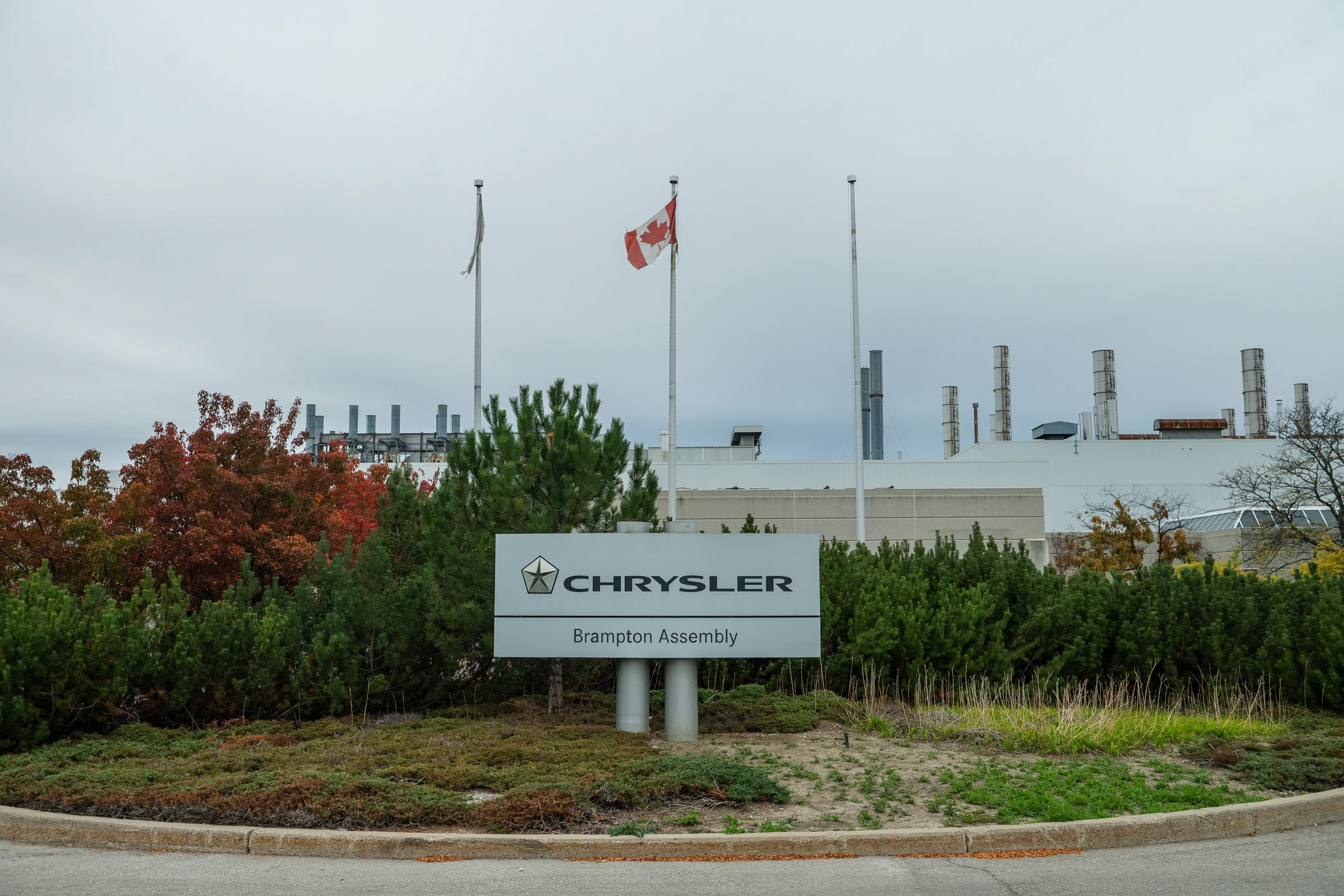
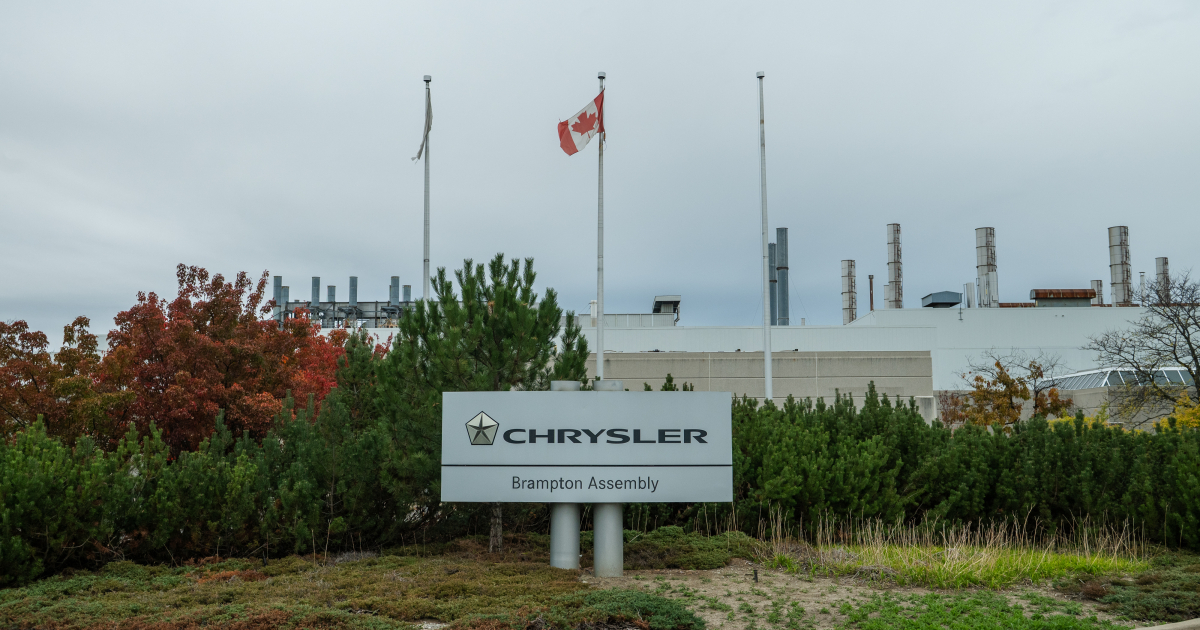
The Stellantis Brampton Assembly Plant near Toronto. (Laura Proctor/Bloomberg)
Key Takeaways:
BYD approached Brampton Mayor Patrick Brown about using Stellantis’ idled Ontario plant for bus production, joining other companies exploring the facility.Interest in the plant comes as U.S. auto tariffs cloud Canadian manufacturing prospects and leave about 3,000 former Brampton workers facing uncertainty.Stellantis said it remains focused on finding a sustainable solution for Brampton while Brown seeks a buyer that could retain some unionized workers.
Chinese carmaker BYD Co. inquired about taking over an idled Stellantis NV plant in the Toronto suburbs, according to a local politician, signaling possible global interest in Canadian auto hubs in the midst of a trade battle with the U.S.
Patrick Brown, the mayor of Brampton, Ontario, said BYD approached him about six months ago to talk about making buses at the factory. Stellantis had been retooling the plant to manufacture the Jeep Compass, but the company halted that plan last year when the U.S. adopted a policy of tariffs on foreign autos.
Brown said he also received inquiries from Leapmotor International, a joint venture between Zhejiang Leapmotor Technology Co. and Stellantis, as well as from an Italian automaker. Bloomberg News reported in April that Stellantis was discussing options for building electric vehicles in Canada with Leapmotor.
Most of the vehicles Canada produces are exported to the U.S., but the trade war and the lack of a new product earmarked for the 40-year-old factory have clouded the future for thousands of people who work there. Unifor, the union representing those workers, said this month that Stellantis is considering selling the plant.
“If the U.S. takes a position that causes us to no longer be able to be a partner with them on autos, there is a world of possibilities,” Brown said. “There are global companies that want Canadian manpower.”
Stellantis said it had nothing to announce at this time. “Our focus remains on finding a sustainable manufacturing solution for Brampton Assembly,” spokesperson LouAnn Gosselin said in an email.
Unifor’s @Lanampayne talks about Stellantis considering the sale of the Brampton Assembly Plant, the impact of U.S. tariffs on Canadian auto production, and the looming midnight deadline as a new tariff threat hangs over Canada. pic.twitter.com/lLkCtvzFCI
— Unifor (@UniforTheUnion) August 19, 2026
Representatives for BYD did not reply to requests for comment. The Chinese company has had manufacturing in Canada before: previously it made buses in another Toronto suburb. It doesn’t currently make passenger cars or trucks anywhere in Canada or the U.S.
President Donald Trump put 25% tariffs on foreign cars and trucks, though for Canadian-made vehicles, the rate is lowered based on the percentage of U.S.-made components. Trump threatened last week to raise that to 50% as of Jan. 1 and to put tariffs on auto parts from Canada, as tensions between the two countries boiled over.
“Stellantis told me that as long as there’s tariffs on autos, there’s no business case for auto jobs in Canada,” Brown said. That’s the situation “whether it’s an 8% tariff, a 50% tariff, or 100% tariff,” he added.
In January, Canadian Prime Minister Mark Carney struck a deal that lowered tariffs on Chinese electric vehicles. The prime minister framed it as necessary because of U.S. moves to harm the Canadian auto industry, and said the government’s goal is to generate “new Chinese joint-venture investment in Canada” to “create new auto manufacturing careers for Canadian workers.”
The Brampton factory hasn’t produced vehicles since late 2023. With no immediate U.S.-Canada trade deal on the horizon, “I’d have to say I have a pretty bleak prognosis” for reopening, Brown said.
Canadian defense firms Roshel Inc. and Dominion Dynamics also asked about the facility, Brown said, with Roshel interested in building light-utility armored vehicles and Dominion in building drones. Neither company responded to a request for comment.

RoadSigns has reached its 200th episode since its origins in 2018. Hosts Seth Clevenger and Michael Freeze reflect on how trucking tech has evolved and share the trends that have surprised them. Tune in above or by going to RoadSigns.ttnews.com.
“All these companies that came into our office expressed that some of the fundamental equipment existed in the Stellantis plant allowing for an effective transition,” Brown said.
He hopes that any company taking over the space will hire at least some of the 3,000 people who made cars for Stellantis.
“I’ve made it very clear that I’d like to see Unifor as part of the solution,” Brown said. “I have not heard objections to that from any of the companies, but at the end of the day, these are all competitive, for-profit businesses.”