
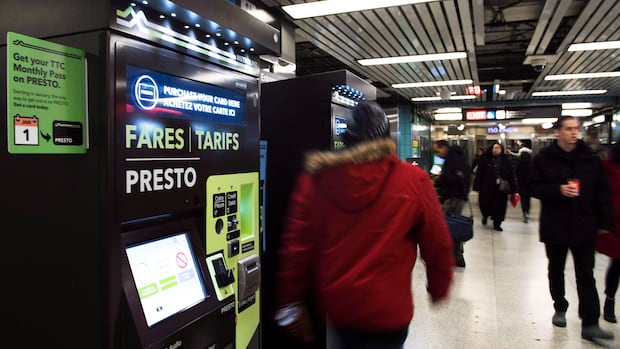

Listen to this article
Estimated 4 minutes
The audio version of this article is generated by AI-based technology. Mispronunciations can occur. We are working with our partners to continually review and improve the results.
The TTC’s new monthly fare capping system rolled out Tuesday, allowing passengers to ride for free after paying for 47 trips in a calendar month.
Here’s how it works.
Riders must use the same payment method and the same card or mobile device throughout the month to reach the monthly fare cap, the TTC said in a news release Tuesday. Switching payment methods will mean trips are counted separately.
The TTC said riders can use their Presto, Interac debit or credit card, including those in a mobile wallet, when they tap.
“Once you reach 47 paid trips in the same calendar month using the same payment method and same card or device, you will not be charged for additional TTC trips for the rest of that month. Your paid trip count resets on the first day of the next month,” it said.
A paid trip, according to the TTC, is the first tap that starts a two-hour transfer period. Any additional taps within that two-hour transfer window are free.
Cap means riders don’t have to pay for monthly pass
The new system means riders do not need to pay upfront for a monthly pass or decide in advance how often they will ride, the TTC said.
As part of the new system, the TTC has discontinued its youth, adult, senior, and fair pass transit discount program monthly passes and its youth and senior 12-month passes as of Monday. Adult 12-month passes and TTC post-secondary monthly passes continue to be available.
Based on a $3.30 adult fare, it would cost a maximum of $155.10 to take the TTC 47 times a month. Before the program started, an adult monthly pass cost $156.
Without the fare capping system, taking the TTC twice a day for 30 days at a cost of a $3.30 adult fare, would cost $198. Capping would mean a savings of about $42.90.
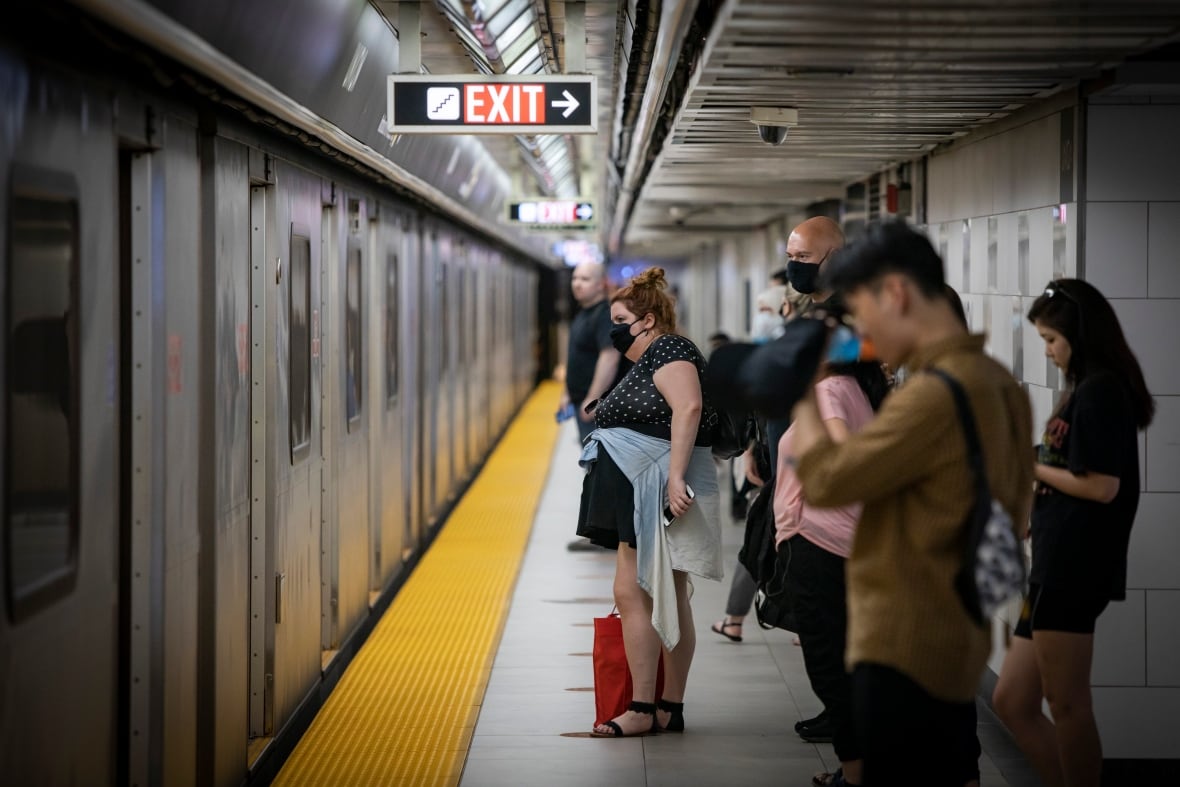 The TTC says its new fare capping system means riders do not need to pay upfront for a monthly pass or decide in advance how often they will ride. (Evan Mitsui/CBC)Transit advocacy group welcomes system
Andrew Pulsifer, executive director of the transit advocacy group TTCriders, said Tuesday that fare capping system is good news.
“We’re thrilled about the implementation of fare capping,” Pulsifer said. “In fact, it’s been a longstanding ask of TTCriders for several years now because it makes transit more affordable for folks ultimately.”
Pulsifer said the system means people don’t have to buy a monthly pass at the start of the month on the same day that their rent is due.
“Torontonians are facing an affordability crisis with everything happening in the world right now. Anything that the municipal government can do to make life more affordable for folks is a real blessing,” he said.
“People rely on transit to get to work and it needs to be affordable.”
For groups that already pay a lower fare, such as seniors and youth, the fare capping system is more cost effective since they are paying less per fare. “This has a huge benefit,” he said.
He said TTCriders would like to see the monthly fare cap lowered from 47 to 40 trips, a pledge that Mayor Olivia Chow has made if she is re-elected.
In a news release, Pulsifer said the TTC fare capping system was implemented because thousands of transit riders spoke up, demanded a more affordable TTC and city council listened to their concerns.
“People signed petitions, deputed at City Hall, emailed their councillors and organized for change,” he said.
Stuart Green, spokesperson for the TTC, said in an email on Tuesday the fare capping system is expected to cost the TTC about $3 million in 2026.