

Listen to this article
Estimated 4 minutes
The audio version of this article is generated by AI-based technology. Mispronunciations can occur. We are working with our partners to continually review and improve the results.
September’s here, bringing Toronto’s municipal election into view — even if you’re focused on squeezing the last bit of joy out of summer.
Here are some of the top storylines you might have missed, plus some of the questions we’re thinking about as the campaign heats up.
What’s this mayoral election about?
Candidate Brad Bradford lists his priorities like this: crime, traffic congestion, cost of living, cleanliness of public spaces and competitiveness of the city’s business environment.
It’s a decent starting list, and you can expect Bradford, the Beaches-East York councillor, and other candidates to keep trying to frame this election around similar core topics.
But who knows what will happen between now and election day (Oct. 26.) Case-in-point: News that broke Tuesday about the Ford government pushing ahead with bike lane removals will almost certainly change the dynamic.
Local elections are an “immediate form of politics,” as City Hall Watcher’s Matt Elliott puts it. As soon as you open your door, you’re seeing potential municipal issues — right down to the condition of the sidewalk — and how the city feels in the early fall will shape the tenor of the race.
“Civic vibe can shape an election like this,” Elliott said in the first episode of CBC Toronto’s new election podcast, which also features the Toronto Star’s Mahdis Habibinia and Toronto Today’s Aidan Chamandy.
WATCH | Take a deep dive into the key storylines of the 2026 mayoral race:
What are voters telling us?
More than 100 Torontonians from all over the city have answered our callout about their top election issues, or written in with questions.
These five issues have popped up several times:
Affordability is a big one, specifically when it comes to housing.Homelessness and drug addiction is also a major concern for voters, though ideas about how to address the issues vary. Bike lanes are also on people’s minds, with more folks calling for them to stay and be enhanced, rather than torn out.We heard from some focused solely on defeating Mayor Olivia Chow. At the same time, many wrote in decrying Ontario Premier Doug Ford’s meddling in city issues. Public safety was also an issue for some voters, though similar numbers were concerned about the state of the city’s infrastructure.
Want to chime in? Let us know in the callout below and a CBC journalist may be in touch during the campaign.
Who is winning?
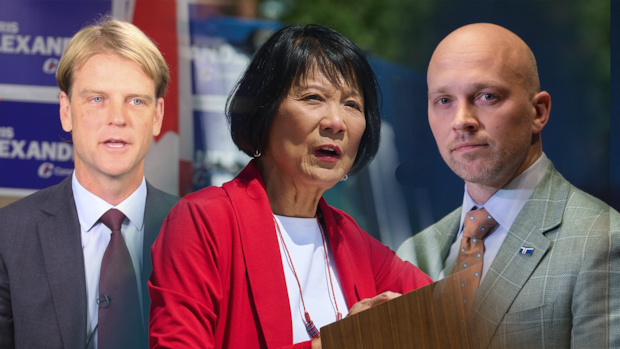
Chow, seeking re-election after winning 2023’s mayoral byelection, has led in early polling, and she’s setting the tempo as the race’s frontrunner.
Chow has said she’ll start campaigning (officially, anyway) after Labour Day, though some goodies — hello, TTC fare-capping — are starting to materialize.
Bradford, her chief rival in the race, has been campaigning for months — even spending big on advertising during Blue Jays games in July and holding a campaign kickoff rally in Etobicoke.
Bradford has also published the most policy at this point, including a promise to hire 1,000 new police officers and push the province to allow mandatory treatment for those struggling with addictions.
WATCH | Bradford vows to push province to give city ‘tool’ of mandatory treatment: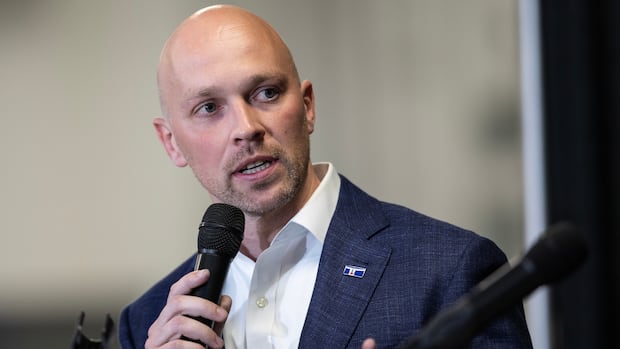
Toronto mayoral candidate Brad Bradford calls for mandatory addiction treatment
Toronto mayoral candidate Brad Bradford is calling for mandatory addiction treatment. CBC’s Ali Chiasson breaks down Bradford’s remarks and the reaction.
Chris Alexander, the former federal immigration minister under Stephen Harper, jumped into the race in late July and sits third in polls, though has run a quiet campaign so far.
Remember there are 50 other candidates running for mayor. You can find their websites and social media accounts on the city’s website, and we’ll be doing more research as well.