
PORTLAND, Ore. (KATU) — With a five-week shutdown of I-5 southbound approaching, city transportation officials are encouraging commuters to leave their cars behind and consider biking instead.
The Portland Bureau of Transportation (PBOT) is asking people who can change when or how they travel to join its “Shift Your Trip” campaign. The city is promoting options like public transit, working from home, carpooling, and biking.
But the closure is also expected to push more drivers onto Portland streets, raising questions about how the traffic influx could affect biker safety.
“More traffic, more cars means more conflicts between cars and bikes because it can’t really be expected otherwise,” said BikeLoud PDX Assistant Treasurer Mark Lenehan. “The question is what do we do about it?”
READ ALSO | PBOT urges drivers to avoid neighborhood cut-throughs during I-5 Rose Quarter closure
According to PBOT, streets expected to see higher-than-normal congestion include N Greeley Avenue, N Interstate Avenue, N Mississippi Avenue, N Vancouver Avenue, N/NE Broadway, NE 15th Avenue, NE 33rd Avenue and NE Martin Luther King Jr. Boulevard.
Several of those streets expected to have more congestion are also heavily used by Portland cyclists.
PBOT spokesperson Hannah Schaefer said the city expects “pretty significant traffic,” particularly in North and Northeast Portland. She said PBOT wants drivers to stick to major streets rather than cut through neighborhoods, where the city has greater concerns about people walking and biking.
“We have concerns about our neighborhood greenways, especially those neighborhood greenways that are also what we call safe routes to school,” said Schaefer.
To keep drivers from using those streets as shortcuts, Schaefer said crews are putting out additional traffic barrels and restricting access at certain intersections where neighborhood greenways meet busier streets. Some will be marked “Local Access Only,” while Schaefer said some intersections could close completely to prevent drivers from cutting through neighborhoods.
Many of those streets already have speed bumps and traffic diverters designed to slow or redirect vehicles.
PBOT is also preparing major streets for additional traffic. The city says crews are filling potholes, refreshing striping, and cleaning bike routes ahead of the closure.
Traffic engineers will use cameras to monitor conditions and can remotely change signal timing to help keep vehicles moving on major roads.
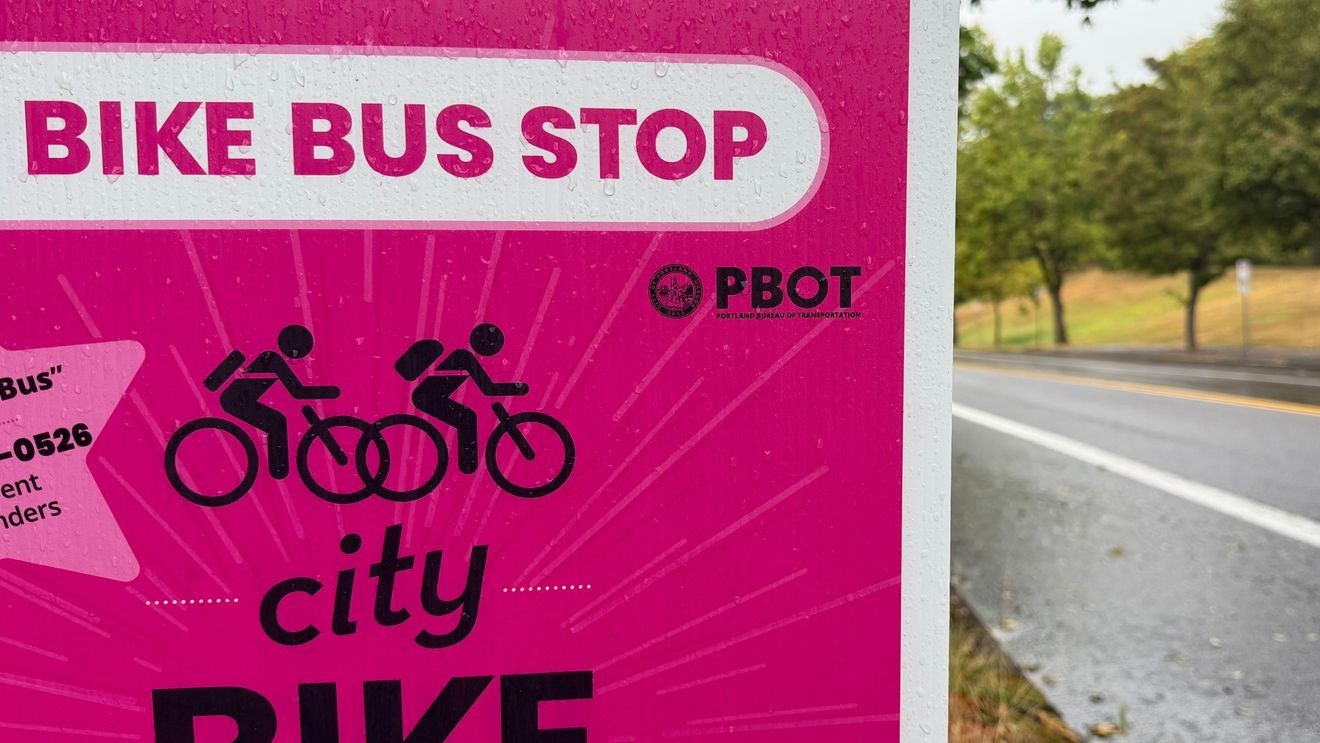
At the same time, the city is adding special bike commutes specifically because of the freeway closure. PBOT will operate a special North and Northeast Portland City Bike Bus every Wednesday from Sept. 16 through Oct. 14. The beginner-friendly group rides will take commuters from North and Northeast Portland into downtown, with routes beginning at Portsmouth Park and Kunamokwst Park.
Schaefer said riding in a group can make cyclists more visible and give people new to commuting by bike more confidence.
Bike advocates say the additional traffic could amplify safety issues that already exist on some Portland streets.
“More congestion and unfamiliar traffic patterns can create additional safety challenges, particularly on these streets that were not designed to function as freeway detours,” said Lindsey Huber, interim executive director of The Street Trust.
READ ALSO | Expect 2- to 3-times longer commutes as agencies urge alternate routes during I-5 shutdown
Huber pointed to N Vancouver Avenue, N Williams Avenue and the Broadway corridor as areas of concern. She said those routes already have challenging points for cyclists, and additional vehicle traffic could make those issues worse.
Lenehan said Vancouver and Williams are major north-south bicycle routes, but portions rely primarily on painted lines rather than physical barriers separating cyclists from vehicle traffic. He said he believes PBOT could do more, including adding additional traffic diverters on local streets to discourage drivers from using them as detours and paying particular attention to high-crash corridors.
The Street Trust, meanwhile, credited the city for its Shift Your Trip efforts but said the closure highlights broader gaps in Portland’s transportation system, including neighborhood streets that lack sidewalks or adequate bike infrastructure.
For people considering biking during the shutdown who don’t normally commute that way, PBOT publishes maps of the city’s bike network. Lenehan recommended new riders use those maps or join a Bike Bus to learn routes alongside more experienced riders.
For drivers, Schaefer’s message is simple: “Pack your patience.”
“This is going to be a tough situation for everyone, and we know that this is going to cause some headaches,” Schaefer said, urging drivers not to let frustration affect how they behave behind the wheel.
The I-5 southbound closure through the Rose Quarter is scheduled to begin Sept. 11 and is expected to last for up to five weeks.