
If you find yourself hungry and grumpy just an hour or two after eating, you might be riding a blood sugar rollercoaster. Instead, reach for a more satisfying meal built around plant protein, which can help keep your blood sugar stable throughout the day.
There is a special formula for a filling meal that won’t spike your blood sugar, explains Natalie Rizzo, registered dietitian and TODAY nutrition editor.
“Protein, fiber and healthy fats are the three nutrients that contribute to balanced blood sugar,” she says. “Fiber slows digestion and the absorption of carbohydrates, while protein and fat also help make a meal more satisfying and slow the rise in blood sugar.”
That doesn’t mean you can’t eat carbs, of course. In fact, you can and should eat carbohydrates for many reasons.
But ideally, “rather than eating a carbohydrate on its own, pair it with foods that provide some combination of protein, fiber and healthy fats,” Rizzo says.
And one of the benefits of choosing plant-based proteins is that “they do double duty,” Rizzo says. Foods like beans, lentils and chickpeas naturally contain both protein and fiber while nuts and seeds provide both protein and healthy fats.
Here are a few of Rizzo’s favorite plant-based proteins to help keep your blood sugar steady.
The No. 1 Best Plant-Based Protein to Balance Blood SugarLentils
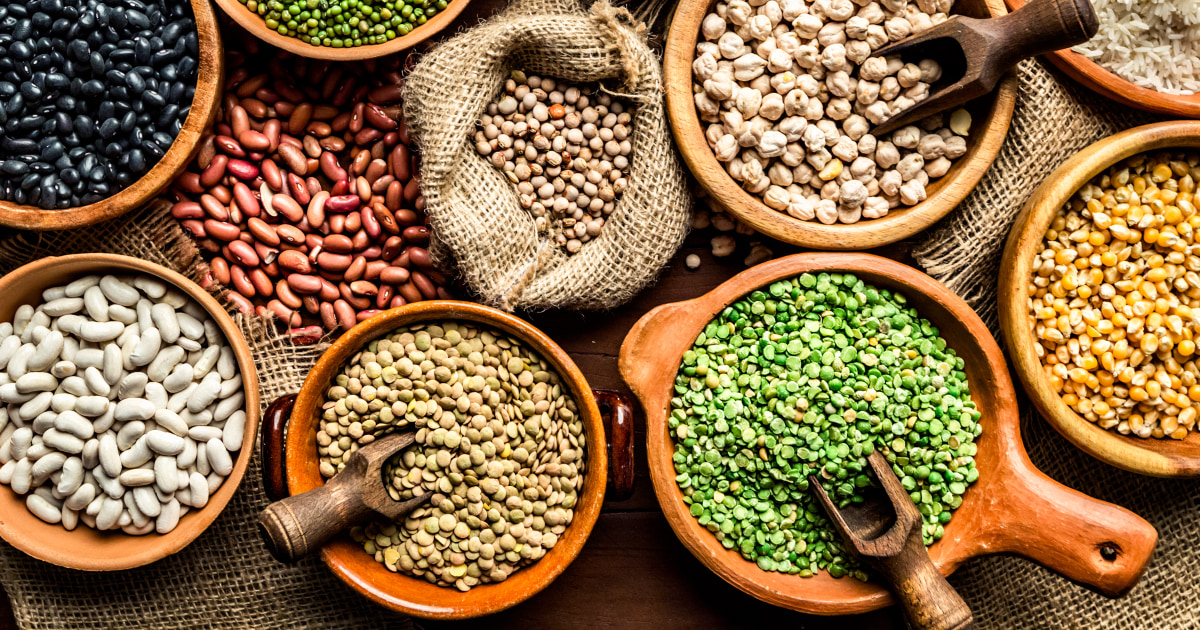
Rizzo’s top plant protein pick for balancing blood sugar is lentils.
“They have a really impressive combination of protein and fiber,” she says. Just a cup of cooked lentils has about 18 grams of protein and 16 grams of fiber.
“That combination makes them filling and helps slow digestion,” Rizzo explains, “which is what you need for steadier blood sugar. They’re also incredibly versatile and inexpensive.”
She loves adding lentils to salads for a protein boost or to pasta sauces for plant-based bolognese.
Other Plant Proteins to Try for Balanced Blood SugarBeans
Another great, satisfying option for balanced blood sugar is beans, Rizzo says. They are “a very close second (to lentils) because they also provide that protein-fiber combination,” she explains.
The exact amount of these nutrients you’ll find depends on the variety of beans you’re eating. Black beans and kidney beans are both high-protein, high-fiber and highly versatile.
Try using them in Rizzo’s colorful sweet potato and black bean quesadilla recipe.
Edamame
Yes, technically, edamame are also beans. They are green, immature soy beans. But Rizzo lists them separately and uses them differently from other types of beans. In fact, she listed them previously as her favorite plant-based protein snack.
A half-cup serving of edamame contains a whopping 9 grams of protein along with around 4 grams of fiber.
Rizzo enjoys adding edamame to whole wheat pasta, veggies and a peanut sauce for a hearty weeknight dinner. And her crispy edamame is a simple, high-protein plant snack to take on the go.