
Social media is rife with discourse about ‘cortisol face’ and how to prevent it, but is it an actual medical complaint? Listen back to the full interview above.
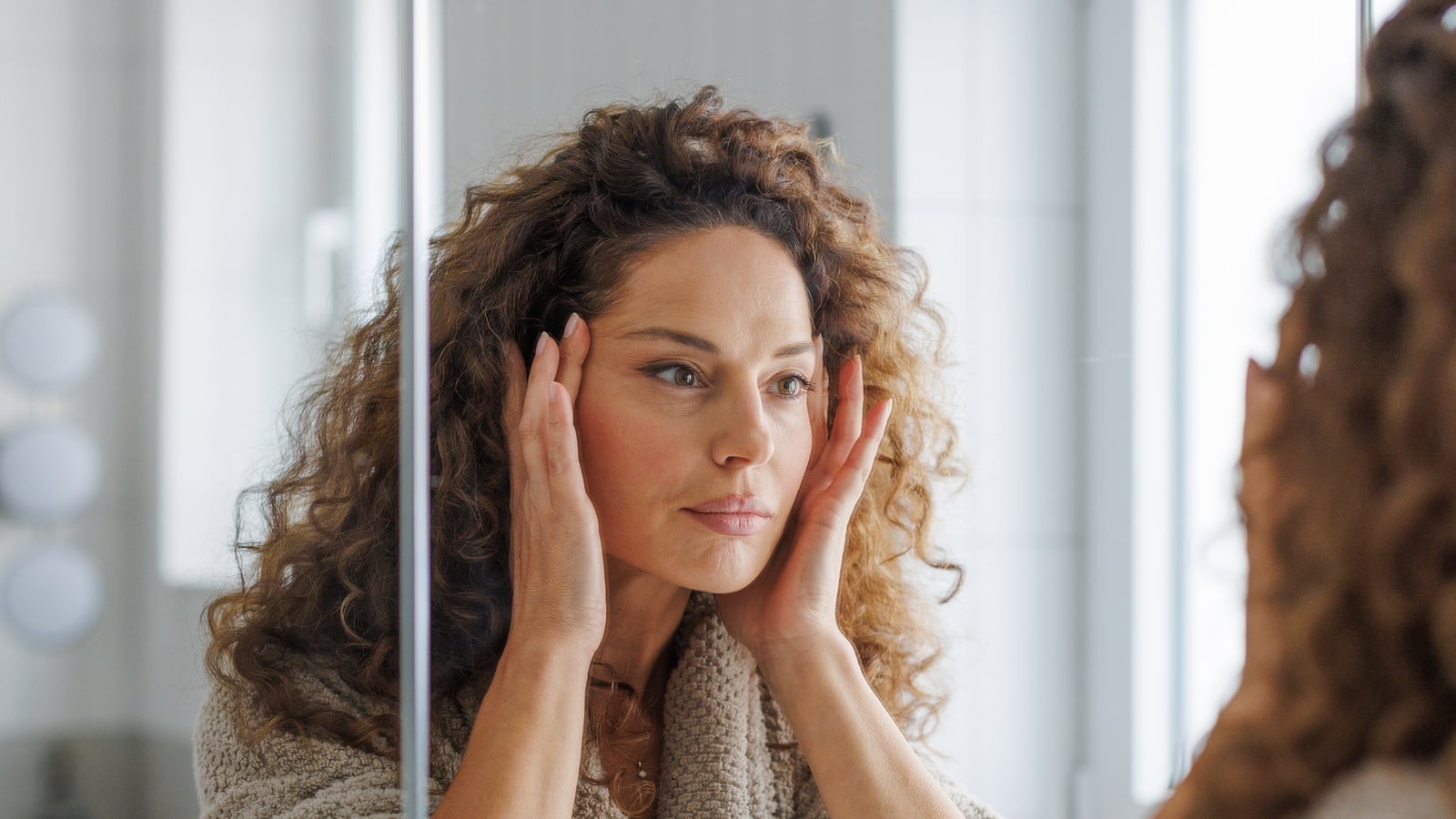
If you wake up with a puffy face, tired eyes and dull skin, you might have had a bad night’s sleep. Or, if certain social media creators are to be believed, you’re suffering from ‘cortisol face’.
The thoroughly online argument goes that consistent stress or burnout can lead to physical changes to your face and belly, including puffiness, swelling and rounded cheeks.
However, Prof. Annie Curtis, Royal College of Surgeons of Ireland, joined Drivetime to debunk this beauty myth.
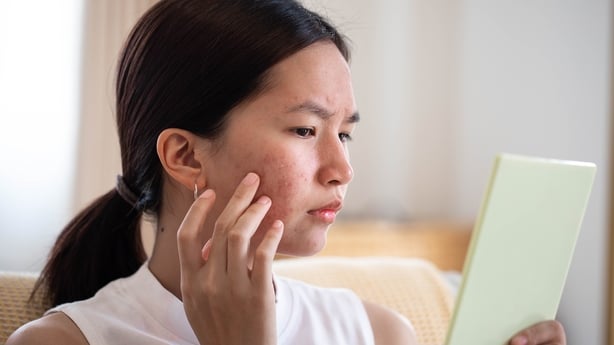
“There’s no such thing as cortisol face, it’s not a medical term. It’s absolutely rubbish, sorry about that.”
Cortisol, she explains, is one of many hormones created in the body, which act as “packages of information that are sent out from your glands to give information all around the body”.
Cortisol is “unique”, however, as it is associated with stress. Rather than avoiding stress altogether, Curtis notes that “you need stress in your body” to perform very specific and important functions: waking you up in the morning and the natural stress response.
The problem we currently have, however, is that there are countless sources of stress in our lives:
“In todays’ society, we’re just filled with stress”, she adds. “You can have a stress response if you get a snarky email from your boss, or you send out a Tweet and you don’t get any likes. We’re in a very different, I suppose, environment than we used to be.”
There is, she adds, a “conflated message” around stress and the physical effects it can have on our bodies.

“For example you could be producing quite a bit of cortisol and it may have some effect on your face, it might have some effect on your tummy, but there’s other things that would probably have much more effect on your face, such as not enough sleep.”
It doesn’t help, she adds, that “there’s always a financial gain” when it comes to online beauty complaints, and social media is chock full of “remedies” for cortisol face, from the ‘cortisol cocktail’ of orange juice, coconut water and sea salt, to taking turmeric with black pepper and putting lavender oil on your temples.
“These are all things that are fine, but they’re not necessarily going to affect your cortisol”, Curtis says.
There’s also little point in getting your cortisol levels checked, she notes, as “cortisol bumps up and down throughout the day, so you’re never going to get an accurate reading. It’s almost like catching dust”.
Of course, if you notice symptoms that are concerning you, it is always worthwhile scheduling a check-in with your GP. Aside from that, Curtis says, it is more beneficial to focus on stress management in the first instance.
Relaxation, mindfulness and breathing exercises can help combat moments of stress and regulate your nervous system.