
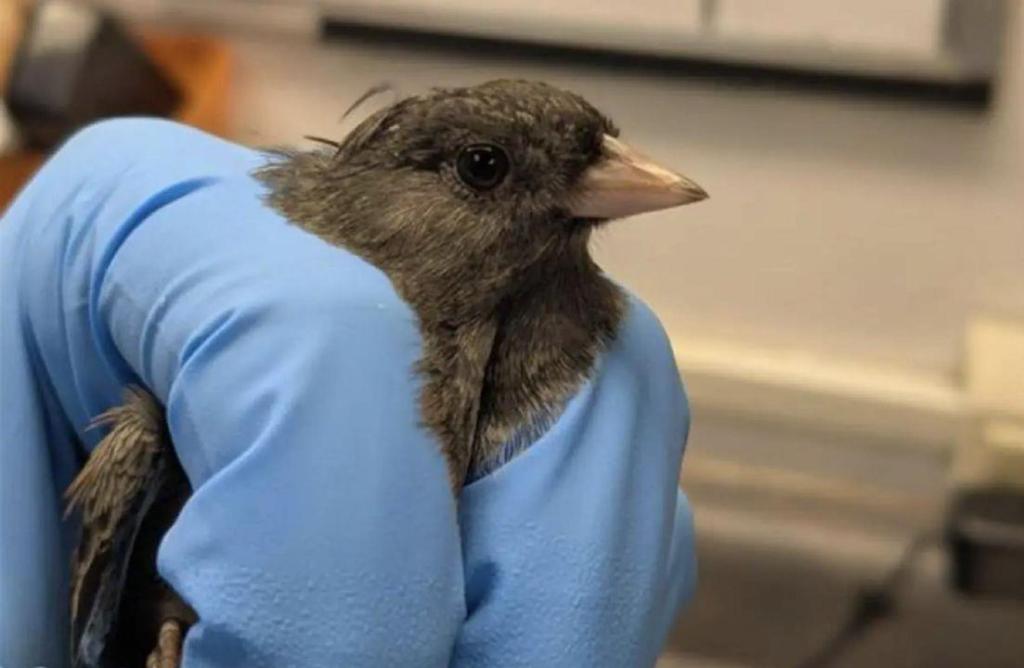
Vancouver Island wildlife rescue warns of hazard birds face when migrating
Published 9:30 am Saturday, September 5, 2026
Birds migrate to avoid the hardships of cold weather, and to seek food in warmer regions. They prepare for their long trek by accumulating fat to provide fuel for the lengthy flight. During an overwater migration, they can lose a quarter to one-half of their body weight.
Most long-distance migrants, especially smaller birds, fly at night. They may travel continuously or land daily around sunrise to rest and forage. When travelling over water or unsuitable habitats, birds that normally stop each day may fly without a break for longer periods. Bird migrants that travel shorter distances usually fly during the day, generally spending only a few hours of the morning in migration. Aerial foragers, such as swallows and swifts, do not stop but feed in flight as they migrate. No two species follow precisely the same migratory route from beginning to end.
The continued loss and degradation of stopover habitat is one major threat to migratory birds. As forests are cleared and fragmented, birds have fewer places to rest on their arduous journey.
In Canada, it is estimated that 16 to 42 million migratory birds are killed annually from collisions with windows. Birds cannot recognize transparent or reflective glass as a barrier. They can see through glass and what is reflected on glass, but they cannot see the glass itself. At night, artificial light from buildings and cityscapes is dangerous for birds. Many species migrate at night using light from the moon, the stars, and the setting sun to navigate. The bright lights of our urban areas confuse these birds.
If a bird strikes your window and is stunned, give it time to rest and heal. Gently pick up the bird and place it in a ventilated box or sturdy paper bag, and keep it in a quiet area protected from prowling cats for up to one hour. Watch to see if the bird flies out safely. If it does not fly out, call your local wildlife rehabilitation centre for advice.
You can help prevent bird window strikes at your residence or business by applying decals or a tight spacing of dots to windows, hang streamers, or covering the whole window on the outside. Bird proofing must be applied on the outside of the window. You can help by encouraging your business management to apply bird proofing to windows. Thank you for caring!
NIWRA, a non-profit organization, is situated in Errington, B.C. We are open to the public daily for viewing of non-releasable animals. Please visit our website at www.niwra.org to learn more about our programs, read stories about our animals, and learn how you can help care for wildlife.