
By Patrick Wachter
Southern Alberta Newspapers on September 5, 2026.
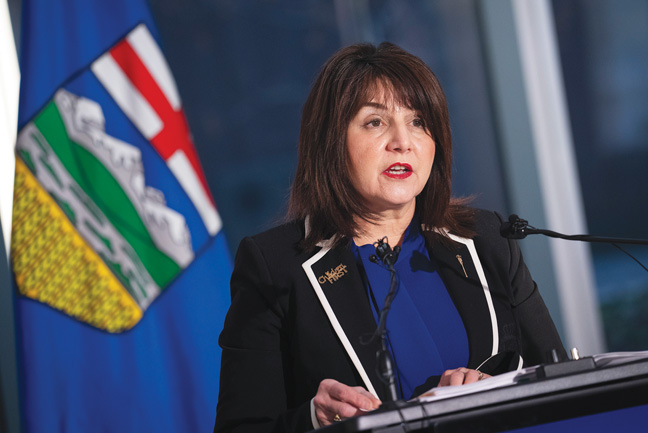
 Alberta’s private-public dual-practice health-care delivery model kicked in this month, with 400 physicians initially expressing interest in participating.-CP FILE PHOTOpwachter@lethbridgeherald.com
Nearly 400 specialist physicians in Alberta have expressed interest in participating in the province’s new dual-practice health system, a move critics warn creates a two-tiered model that risks destabilizing public care.
The province announced the figures following a summer submission period meant to gauge physician interest in the model. Enabled under Bill 11, the Health Statutes Amendment Act, the framework allows approved physicians to offer privately paid medical services while continuing to work within the publicly funded system.
The provincial government says the initiative aims to reduce wait times and expand surgical capacity by giving doctors greater flexibility. Under the rules, physicians who opt into dual practice must maintain their existing volume of publicly funded procedures. The first phase will focus on elective procedures such as orthopaedic surgeries.
Southern Alberta Newspapers reached out to Health Minister Adriana LaGrange’s office for comment but did not receive a response before publication.
Opposition leaders and health-care advocacy groups argue the strategy will exacerbate staffing shortages in the public sector without adding new professionals to the system.
“The fact that the UCP is moving full steam ahead with American-style, two-tier, for-profit health care despite repeated concerns from frontline health-care workers, Albertans and even Canada’s Health Minister, shows this government is more interested in privatization than strengthening public health care,” said Sarah Hoffman, Shadow Minister of Hospitals and Surgical Services, in a statement.
“The UCP has yet to explain how creating a parallel private system will strengthen public surgical capacity rather than draw resources away from it,” Hoffman added. “Albertans want shorter wait times and better access to care. The answer is investing in and expanding our public health care system, not creating new opportunities for private profit.”
Leanne Alfaro, president of the Health Sciences Association of Alberta, also voiced strong opposition to the push toward expanded private delivery.
“HSAA continues to raise concerns that expanding private-pay diagnostic imaging, without addressing workforce shortages, risks putting additional pressure on an already stretched public system,” Alfaro said in a statement. “Alberta already has a shortage of health-care professionals, and expanding private delivery does not create more of them. Public and private providers draw from the same limited workforce.
“HSAA believes the priority should be retaining, recruiting and respecting the health-care professionals Alberta needs and developing a province-wide, worker-led health workforce strategy. Expanding access to care depends on expanding access to the workforce, so every Albertan can receive timely care regardless of their ability to pay.”
Opponents point out that allowing doctors to charge out-of-pocket fees or accept private insurance for medically necessary care undermines the core principles of universal health coverage. Legal experts and national groups have cautioned that the policy violates the Canada Health Act, which prohibits extra-billing and user charges for publicly insured services.
Despite the resistance, the provincial government is moving forward with reviews of the initial expressions of interest. Officials say a formal application process must be completed before any privately funded surgeries or procedures can take place. The province expects to roll out the dual-practice system gradually as approvals are finalized.
14
-13