
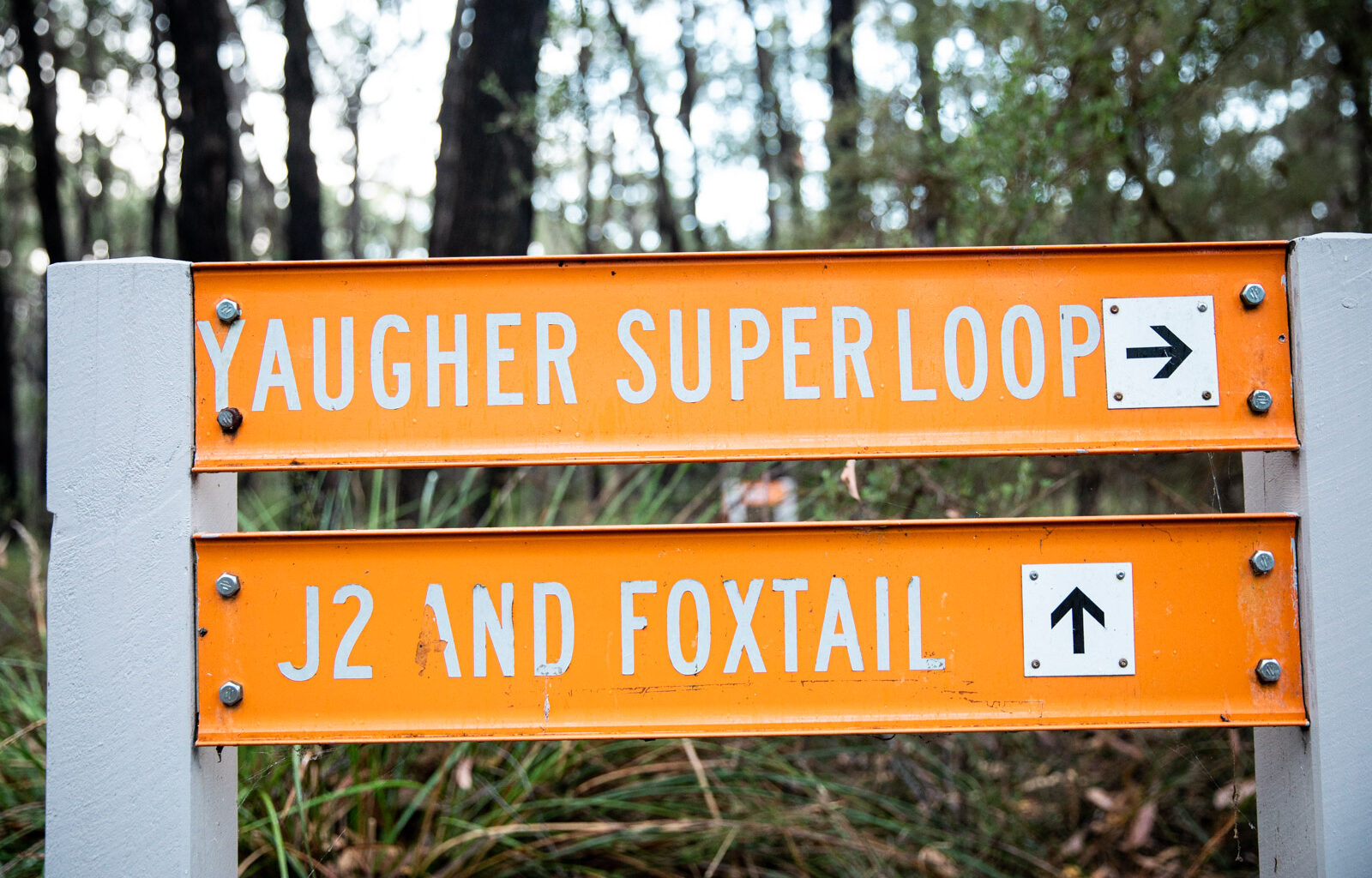
Forrest is one of Australia’s oldest mountain bike destinations and, in 2023, unveiled major upgrades to its Southern Trail Network. This included the Barwon Flow Trails, which were designed and built to accommodate adaptive bikes, something that was still a developing concept at the time.
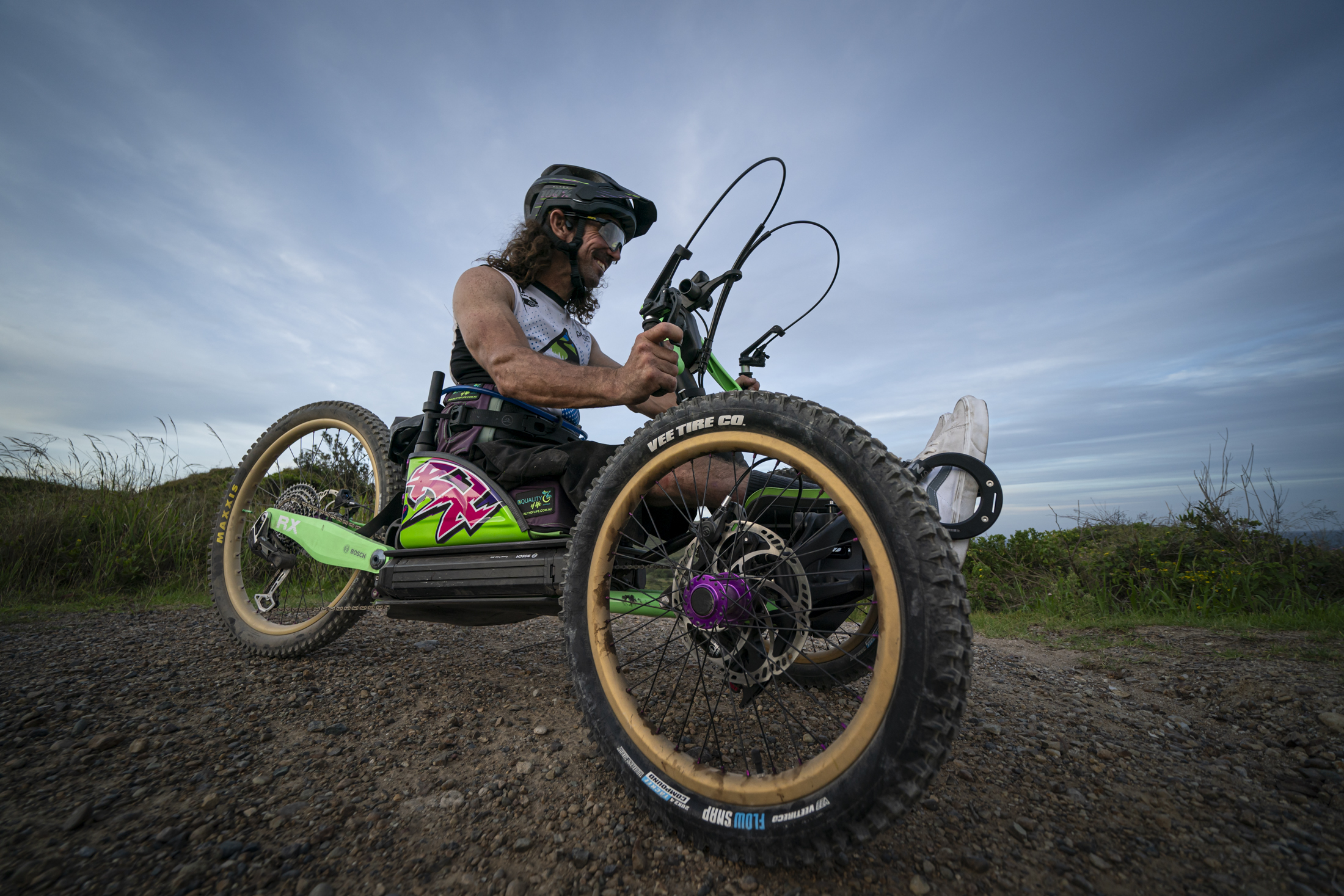
Not long after the new trails were opened, a rider from Geelong named Chris Midgley contacted the Forrest MTB Club in search of a support rider. That ride turned into many, and Chris became a Forrest regular.
He started helping us identify how to make the network more accessible and specific areas where the trails could be improved for a-MTB.
Related:
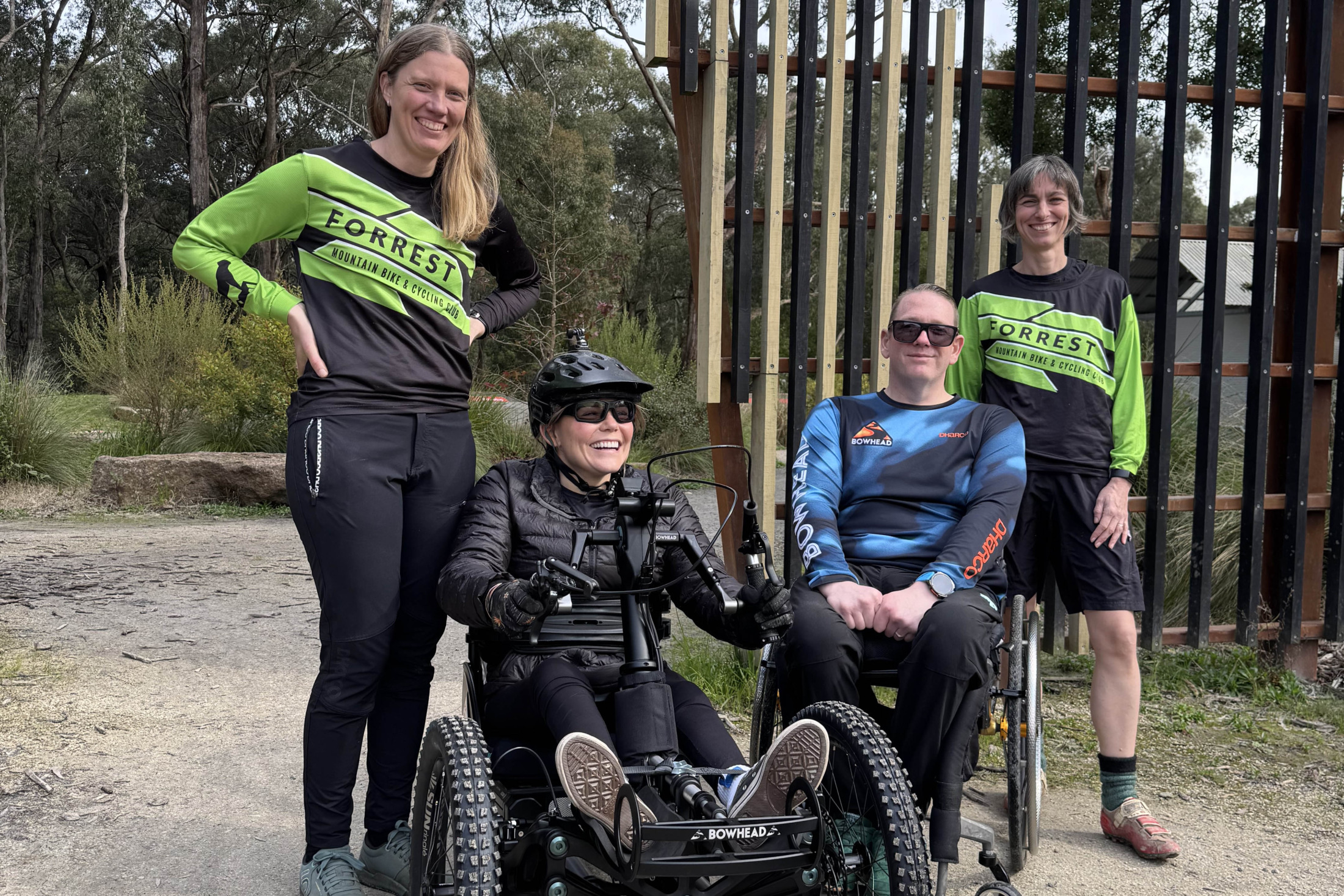 The Forrest MTB & Cycling Club has purchased a Bowhead adaptive bike that is now available for folks to hire and take for a spin in the trail network.
As a direct result of his feedback, we worked with DEECA (Department of Energy, Environment and Climate Action), which manages the land the trails traverse, to reshape several corners and improve flow for adaptive bikes.
Many of Forrest’s trails, especially on the Yaugher side of the network, are old-school and hand-built. We had quite a few adventures exploring where else Chris could ride, testing trails that weren’t necessarily purpose-built for adaptive use to see whether they could work and what adjustments could improve access.
“Riding some of the old-school, non-adaptive trails around Forrest has definitely been testing, especially the really tight, off-camber singletrack. But I love exploring, and I’m always up for a challenge. Michelle and I once tackled a 10km ride that ended up taking nearly three hours because we were battling our way through some sections,” he says.
“As challenging as it can be, that’s part of the fun. We need to find out what’s genuinely doable, where riders might get stuck, and what could potentially be changed or improved. Being able to provide that real-world feedback is important, because it helps create better opportunities for other adaptive riders. At the end of the day, I love a challenge — and if pushing through those tricky sections can help make the trails more accessible for the next rider, then it’s absolutely worth it,” he continues.
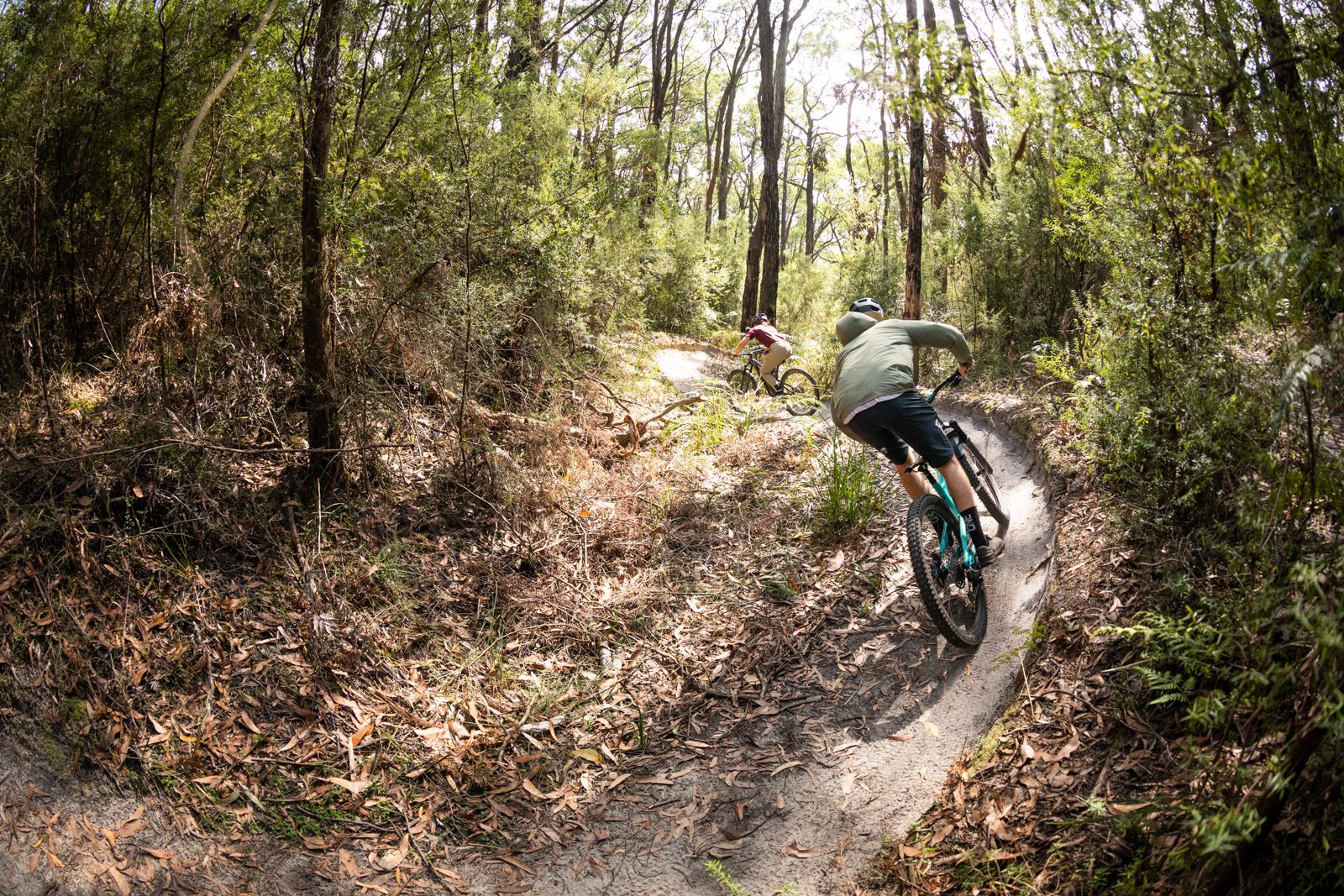 Over on the Yaugher side of the trail network, many of the trails are still old-school and hand-built.
The barriers to buying an adaptive mountain bike
Adaptive mountain bikes have come a long way, but one of the biggest barriers for riders is simply getting access to one. They do not come cheap, and while a bike may be funded through the NDIS or other programs, the application usually involves a test ride.
For high-cost assistive technology, the NDIS requires a quote and an assessment from an assistive technology assessor. It may also ask a rider to trial equipment they haven’t used before. As we learned from Chris and other wheelchair users, opportunities to do that on real trails are few and far between and, in many cases, require travelling to a capital city. Even then, the test ride might be limited to footpaths or a car park, which doesn’t show what a bike like a Bowhead can really do.
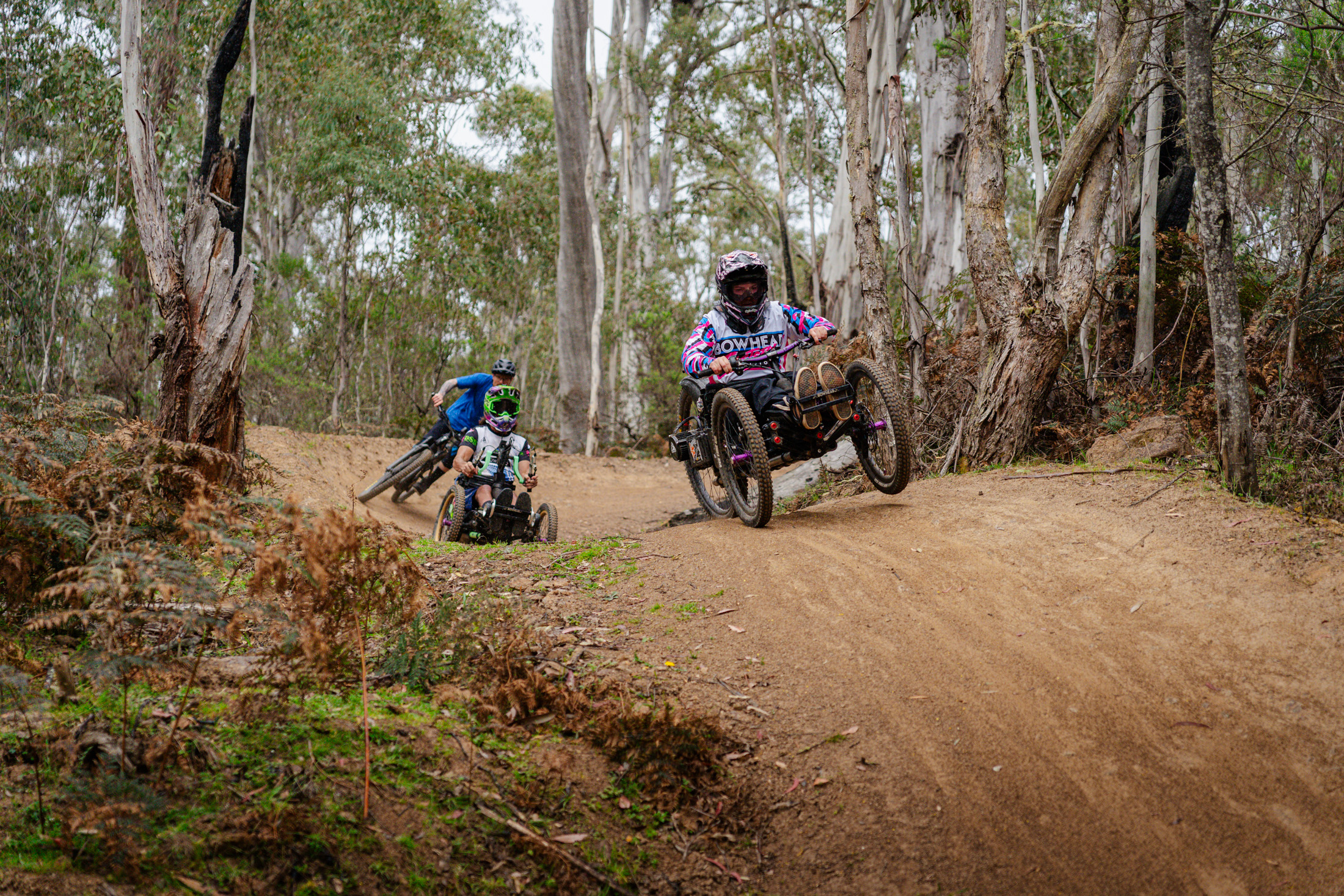 Adaptive riders applying for funding for an a-MTB must first take a test ride to ensure the bike is suitable.
After many laps in the Otways, Chris was looking to upgrade his a-MTB to a Bowhead but decided to self-fund due to the onerous funding application process. As we learned more about this process from Chris, an idea gradually coalesced.
Dreaming up solutions | Bringing a Bowhead to Forrest, VIC
In late 2025, the club received an email from AusCycling highlighting a funding opportunity through the Regional All Abilities Participation Grants, which included an equipment category of up to $25,000 AUD.
This planted the seed. Could the club get an adaptive bike? People could use it for testing or while on holiday from interstate, and our trail builders could test-ride new features to ensure they were suitable. The more we spoke about it, the more benefits we saw for the community if the club had a bike available for people to use.
 Working with Push Mobility, the Forrest MTB & Cycling Club found a way to make the numbers work, enabling the club to purchase a Bowhead.
We had no idea what an adaptive bike cost, but the applications closed in a week, so we started working. We contacted Push Mobility for a quote on a Bowhead, but unfortunately it was beyond what the club could cover with the grant.
A couple of days later, Grant Allen from Push Mobility reached out to us again and offered to subsidise the bike and match the grant funds if we were successful, as they could see the benefit to their business and the wider community. We were absolutely blown away.
But the work had only just begun.
We needed submissions from Chris and fellow adaptive rider Ashlee Morton, outlining their experience riding in Forrest, what a club-owned Bowhead could do to improve access, and how it could help get more folks on a-MTBs. DEECA came on board with a letter of support, and we worked with Grant and Push Mobility to estimate how many riders may come to Forrest to test a bike. In just four days, we’d pulled together a proposal that made our case, hit submit, and waited nervously, not quite daring to hope.
Related:
Dreams coming true | An adaptive bike for the community
In February 2026, we received an email with the subject line “Application Outcome – Successful.” Incredible!
Fast-forward to August 2026, Peter Arch from Push Mobility and Paul van der Ploeg visited Forrest to deliver our new Bowhead. Ashlee christened the bike, and a small crew headed out for a group ride.
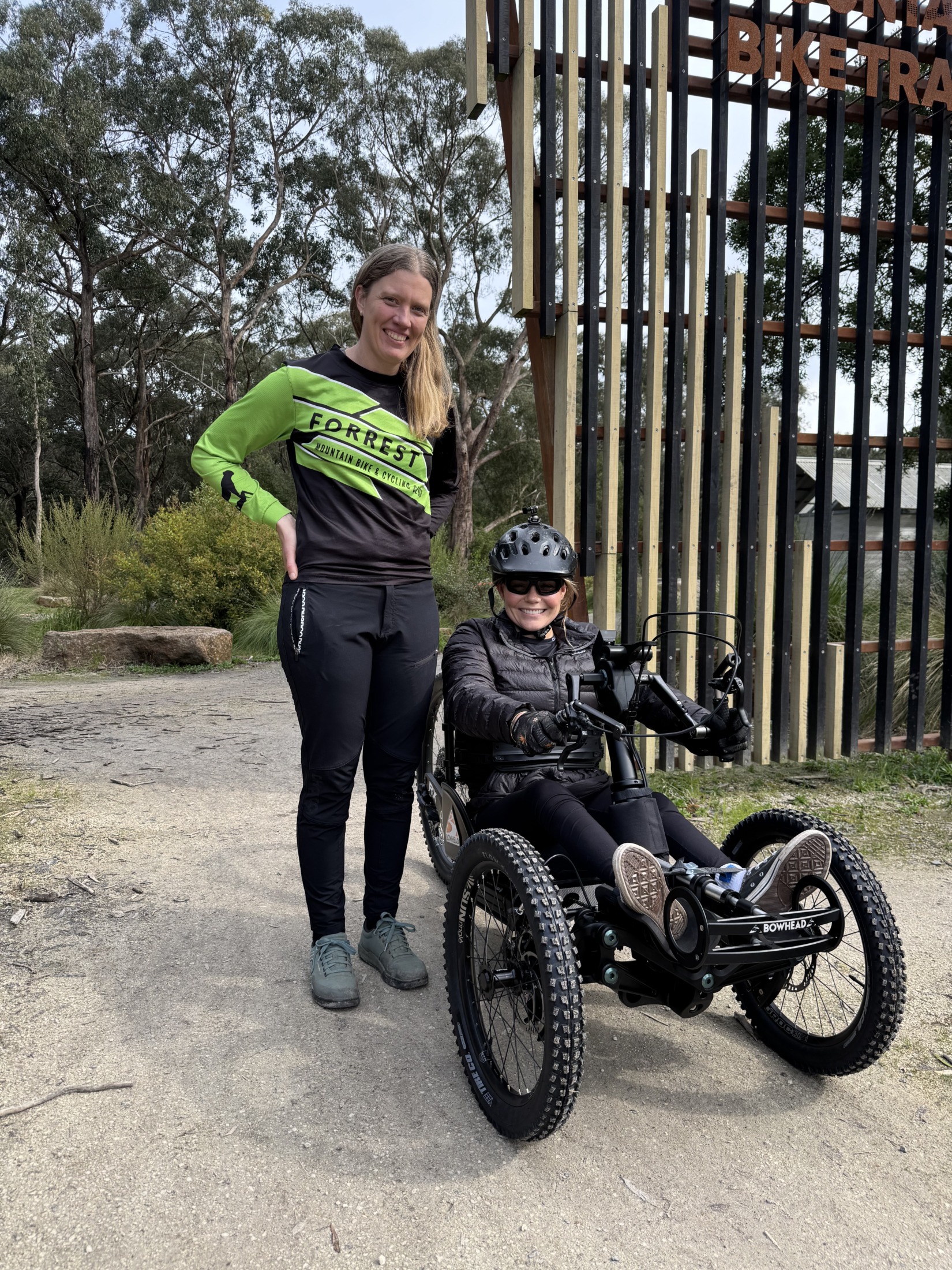 Full stoke! Ashlee Morton was the first to christen Forrest’s new Bowhead.
“Having the Bowhead available for hire opens up a world of possibilities. When my bike is out of action, or I want to go riding with friends who don’t have access to their own — it’s so exciting,” Ashlee says.
Even on the day, we still couldn’t believe it was real. This has been an amazing project; we’re so excited that it has become a reality. Riding bikes is great for everyone, and it gives us so much joy that more people will be able to come here and ride in Forrest.
What does this mean for Forrest?
Forrest already has a great range of trails suitable for an adaptive bike, so we are just building on that foundation. Given the number of green trails heading straight from the Southern Trailhead, it’s ideal for someone new to riding an a-MTB to get a feel for it on very gentle, easy trails. Once someone has built up their skills and confidence on the bike, they can progress to more difficult trails.
As we discovered, the major hurdle for potential riders in accessing an adaptive mountain bike was access to a test ride. Now that we have one in Forrest, riders can spend a day on our trails to get a feel for the Bowhead and see whether it is the right solution for their needs.
Looking ahead, the club has also arranged for a wheelchair-accessible BBQ to be installed at the trailhead and will organise a Bowhead Demo Day with Push Mobility at the trails to celebrate the project’s launch.
The goal in all of this is to get more riders on bikes of all kinds. For Forrest, it makes the trails here accessible to a wider range of visitors.
The Bowhead bike is owned by the Forrest MTB & Cycling Club, and the program runs much like any other bike hire. That said, a club member needs to be available to complete the handover, show riders how the bike works, and make any necessary adjustments. For first-time riders, a support rider is also required, though the club can help to provide someone local.
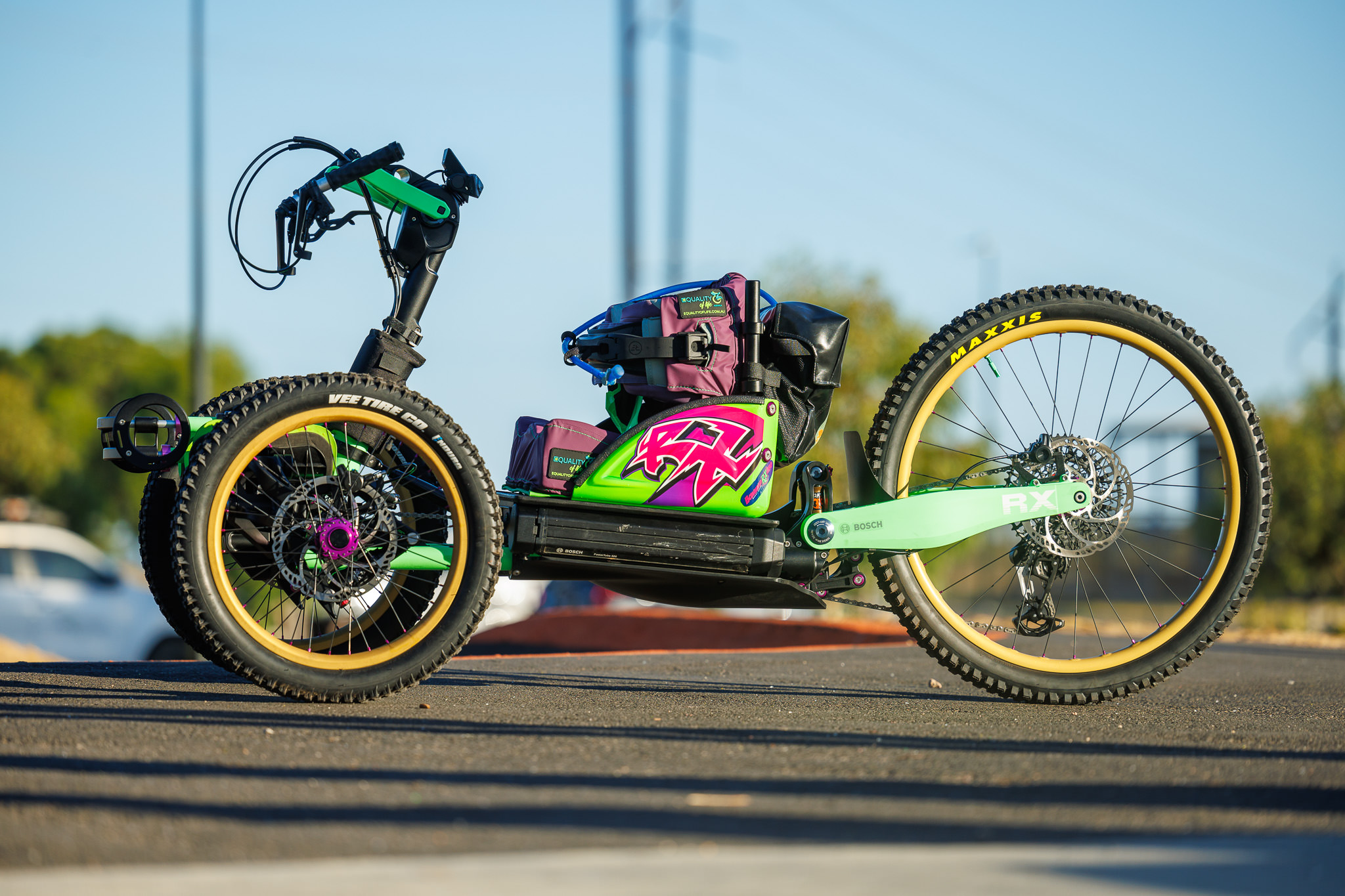 The Forrest MTB & Cycling Club has made its presentation materials available to other clubs that may want to pursue something similar in their communities.
How can your club get an adaptive bike?
We’ve made our application presentation available on the Forrest MTB & Cycling Club website so other clubs can see exactly what information we put forward and the steps we took.
We looked for grants we could apply for to fund the bike, and, in our case, Push Mobility also provided a generous subsidy to get it over the line. Your club will need to consider insurance, volunteer availability, bike maintenance, the bike hire process, and trail suitability. It’s not something that every club or trail network can feasibly do, but it’s something we’re extremely proud of here in Forrest.
Editorial Guidelines
At Flow Mountain Bike, we’re committed to delivering engaging and trustworthy content, from product reviews to destination showcases, news, interviews, and features. While many of the brands and destinations we cover may advertise with us, our editorial team operates independently, ensuring our content is guided by expertise and passion—not commercial influence. Sponsored content is always clearly disclosed, and we remain dedicated to providing honest and unbiased coverage across everything we publish. For more details, see our Transparency Report.