

Listen to this article
Estimated 3 minutes
The audio version of this article is generated by AI-based technology. Mispronunciations can occur. We are working with our partners to continually review and improve the results.
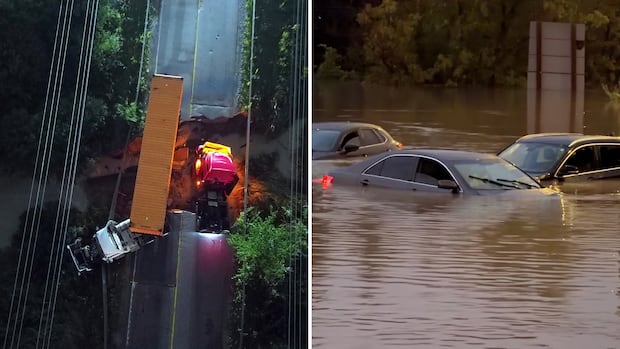
Toronto’s afternoon sky went dark last Wednesday before turning into a sheet of water, with rain hurling down as powerful winds toppled trees and sent pedestrians scrambling.
A day later, city of Toronto officials called it a “100-year storm” while weather experts confirmed a month’s worth of rain fell in the span of hours, marking the wettest Sept. 2 on record.
How-Sen Chong, spokesperson for the Toronto Environmental Alliance, said the storm was “supercharged” by climate change and warned the city should expect more like it in the future, noting we’ve now seen four “100-year storms” in the last 15 years.
Jason Thistlethwaite, an expert on climate resilience and the economy at the University of Waterloo, agreed Toronto will see more and more powerful storms like last week’s. The question he’s left asking, even as billions of tax dollars are being spent to guard against flooding and other climate risks, is: are we doing enough to keep up.
“We’re trying to adapt to climate change to a certain extent by looking at the rearview mirror, instead of with a full beam of headlights to where this stuff is,” Thistlethwaite said.
CBC Toronto invited Chong and Thistlethwaite into our studio for a detailed conversation about climate resilience in the wake of the storm and how it might factor into the upcoming municipal election.
WATCH | September’s massive storm and the election questions it puts into focus:
If you liked this conversation and want more, you can find our previous episode setting up what’s at stake in the Toronto mayoral election here.
Toronto city council has approved a long-term climate plan, dubbed TransformTO. However, Thistlethwaite notes it hasn’t brought in a storm water tax despite looking into that possibility several times. Such a tax could be applied to those who own properties, like large non-porous parking lots, that contribute to flooding and would give the city a designated pool of money used to manage stormwater when needed.
Storm water charges have been controversial at Toronto city hall, with critics of taxing property owners (either commercial or residential) dubbing it a “roof tax” or “rain tax.”
So far, few climate pledges from mayoral candidates
So far, no mayoral candidate has pledged to bring in such a charge if elected on Oct. 26.
On the campaign trail last week, mayoral candidate Brad Bradford said he supports Toronto’s existing climate plans. He also accused Mayor Olivia Chow of not doing more to bolster it.
“This mayor hasn’t increased the ambition of those plans,” he told reporters.
Bradford said he would work to secure funding from other levels of government to make “big ticket moves,” similar to the revitalization of the mouth of the Don River – a project that started under former mayor John Tory and completed during Chow’s tenure.
Chow’s campaign, which officially launched this week, didn’t respond to questions about whether or not it will release a climate plan, or how much it would be prepared to spend on that plan over the next four years.
Chris Alexander “will have a commitment to this issue,” his campaign said in an email. Alexander sits third in the most recent public opinion polling.