Content warning: This story includes discussion of childhood cancer, medical treatment, hospitalization, and its impact on a child and his family.
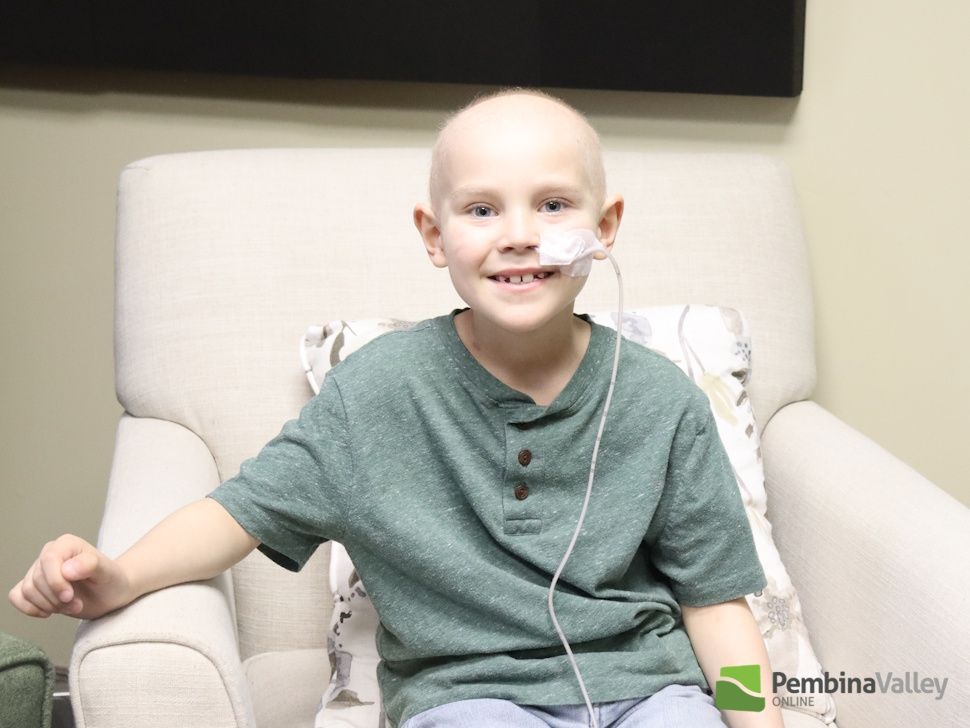
September is Childhood Cancer Awareness Month, but for six-year-old Maverick Friesen and his family, cancer awareness is no longer a campaign or a colour on a ribbon. It is daily life.
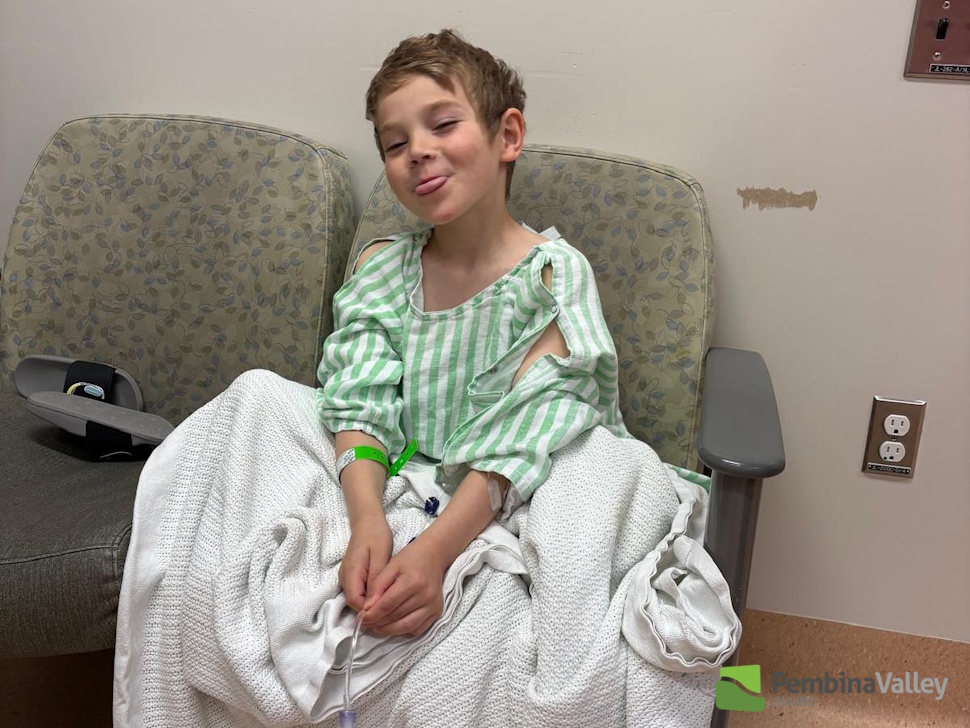
The Altona-area boy was diagnosed earlier this year with a Wilms tumour, a form of kidney cancer, after weeks of unexplained pain. Since then, his family has spent months travelling to Winnipeg for treatment, enduring surgeries, chemotherapy, hospital stays, blood transfusions, feeding tubes, and the emotional toll that comes with watching a child fight for his life.
“I’m 6. And I have cancer and I hate it,” Maverick said simply.
For his parents, siblings, and everyone who loves him, those words carry a weight no child should have to bear.
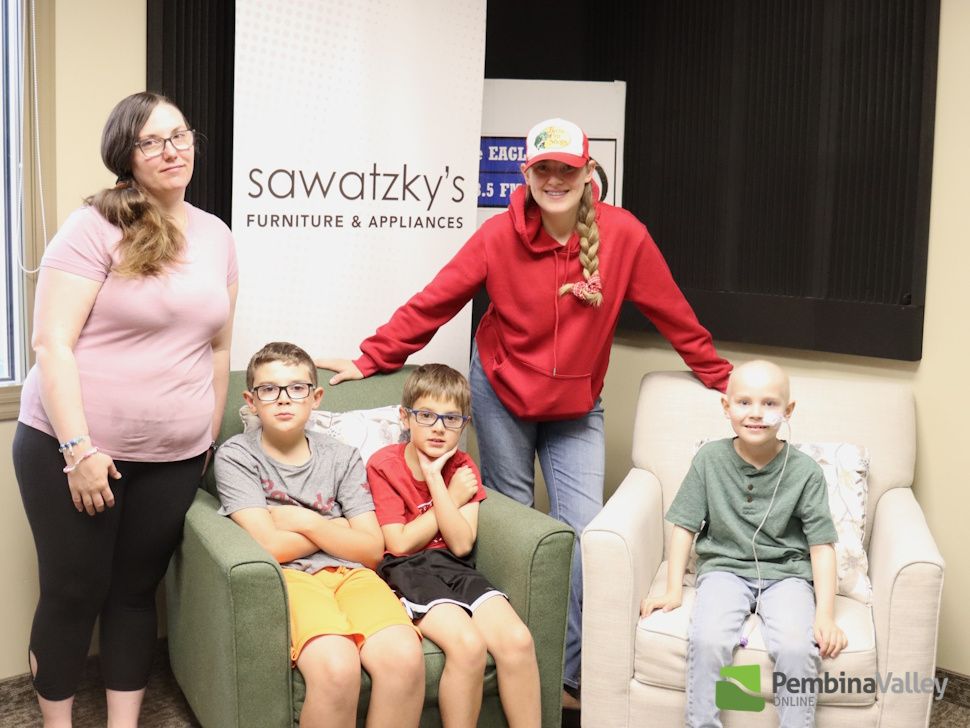 Helena, Tyler, Logan, Emma, and Maverick Friesen in the Eagle 93.5 studio.
A fighter from the beginning
Helena Friesen describes Maverick as a fighter long before cancer entered their lives.
Born prematurely, he quickly proved doctors wrong when he removed his feeding tube and began doing things his own way.
“He’s been a fighter ever since,” she said.
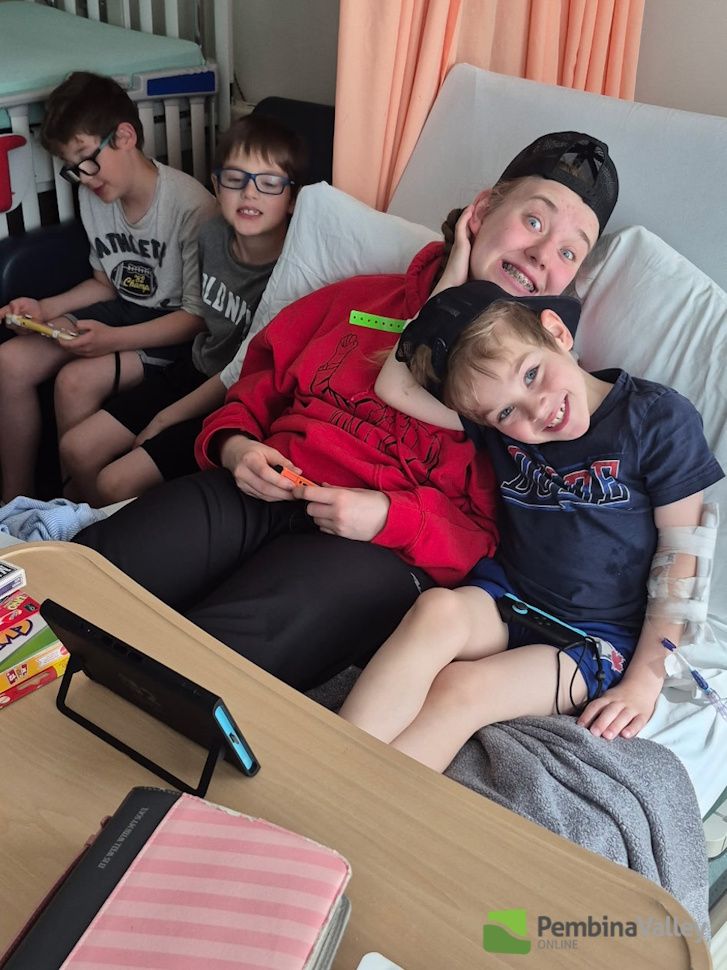
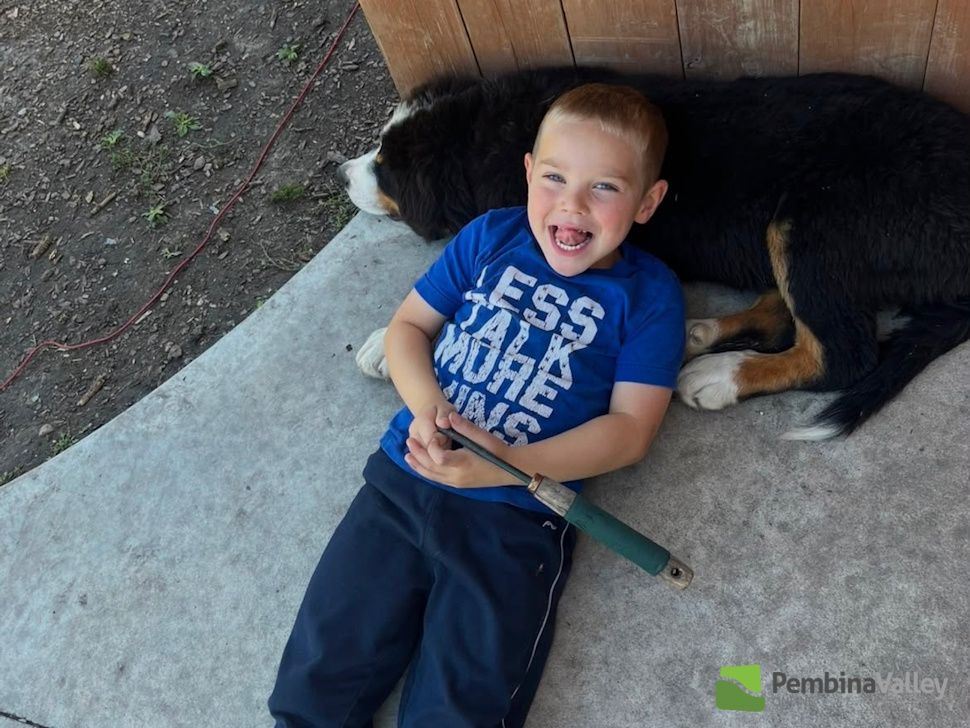
The energetic youngster loved swimming, riding bikes, spending time with friends, and roughhousing with his brothers. Those everyday childhood activities are now largely on hold.
“I can’t spend time with my brothers most of the time because I mostly am in the hospital,” Maverick said.
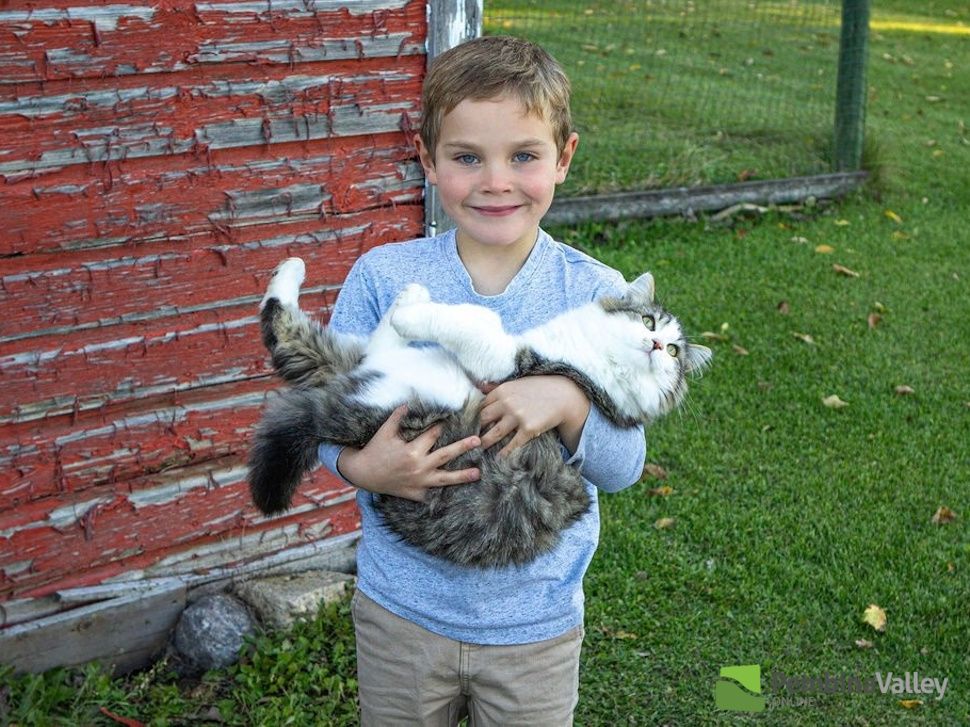
His older brother Logan said the hardest part has simply been missing him.
“I’m sad because he’s my younger brother,” said the eight-year-old. “He has to stay at the hospital super long.”
For Tyler, one of Maverick’s older brothers, the diagnosis meant losing many of the moments siblings often take for granted.
“The part knowing that I couldn’t hang out with him often and play pillow fights and going outside and swim and do all the fun activities with Maverick,” Tyler said.
The day everything changed
Helena said she knew something wasn’t right weeks before the diagnosis.
Repeated medical visits initially brought reassurance that nothing serious was wrong. Then a community walk at school changed everything.
One of Maverick’s teachers nearly had to carry him back because he was in such severe pain.
“Anyone that knows Maverick, he doesn’t cry for anything,” Helena said. “He can get hurt and won’t shed a tear.”
After additional hospital visits and testing, the family returned to Boundary Trails Health Centre for another ultrasound.
The news they received would change their lives forever.
“The doctor had already came in crying and she’s like, ‘Mom, Dad, sit down,'” Helena recalled. “Then she’s like, ‘This is the largest mass we’ve ever seen in a child of his age.'”
Within hours, arrangements were made for treatment in Winnipeg.
For Maverick, the memory remains vivid.
“A doctor came crying in the room and then she said I had cancer,” he said.
He remembers feeling sad. He remembers his mother crying.
“And then I just hate it.”
Seven surgeries and an eight-hour operation
The months since diagnosis have been marked by procedures, treatments, and recovery.
Maverick has undergone seven surgeries in a remarkably short period of time.
His largest surgery lasted eight hours.
“I was mostly scared, but brave to go in,” he said.
Doctors removed the tumour, one kidney, and part of his stomach.
“I only have one,” Maverick said when asked about his kidney.
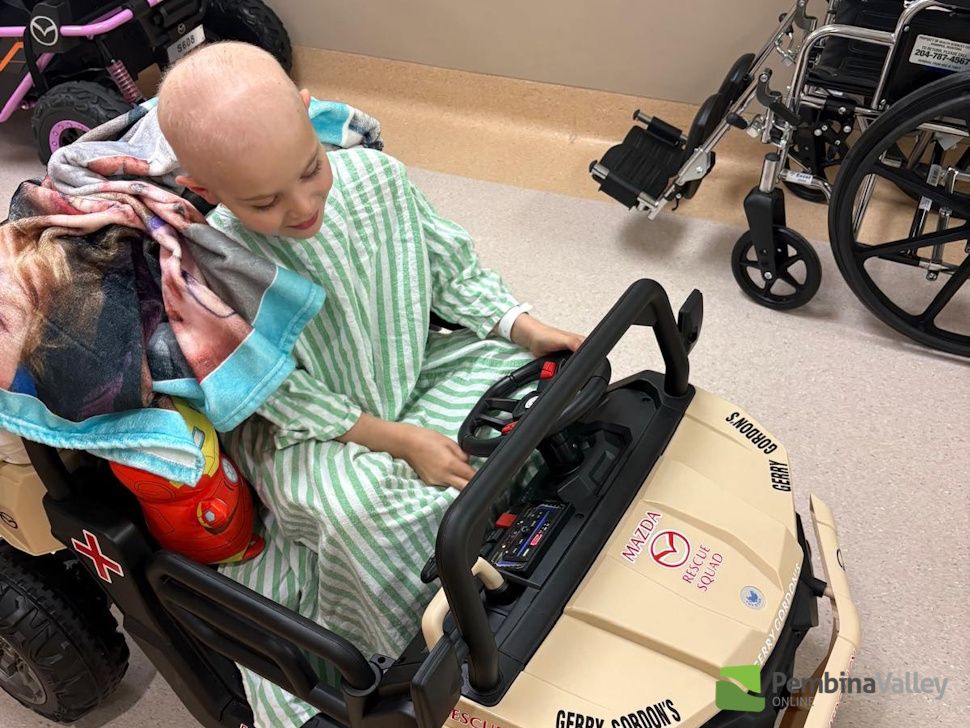
The physical reminders remain.
“My stitches, like I kind of hate them,” he said. “I have a lot of them.”
When asked why, his answer reflected the perspective of a child trying to understand something life-altering.
“Because now I’ll have them forever.”
The stitches will heal, but the scars will remain.
Related stories:
Childhood cancer affects the entire family
Cancer does not only happen to the child receiving treatment.
It affects parents, siblings, finances, routines, friendships, and every plan a family makes.
Helena said there is rarely a night she does not cry.
“It’s definitely one of the hardest things I’ve ever had to go through,” she said.
The family’s older children have sacrificed much of a normal summer.
Playdates, activities, and time with friends have often been replaced by helping care for their brother and protecting him from illness while his immune system remains vulnerable.
“It breaks my heart for them,” Helena said. “I feel like they definitely got robbed of a childhood this summer.”
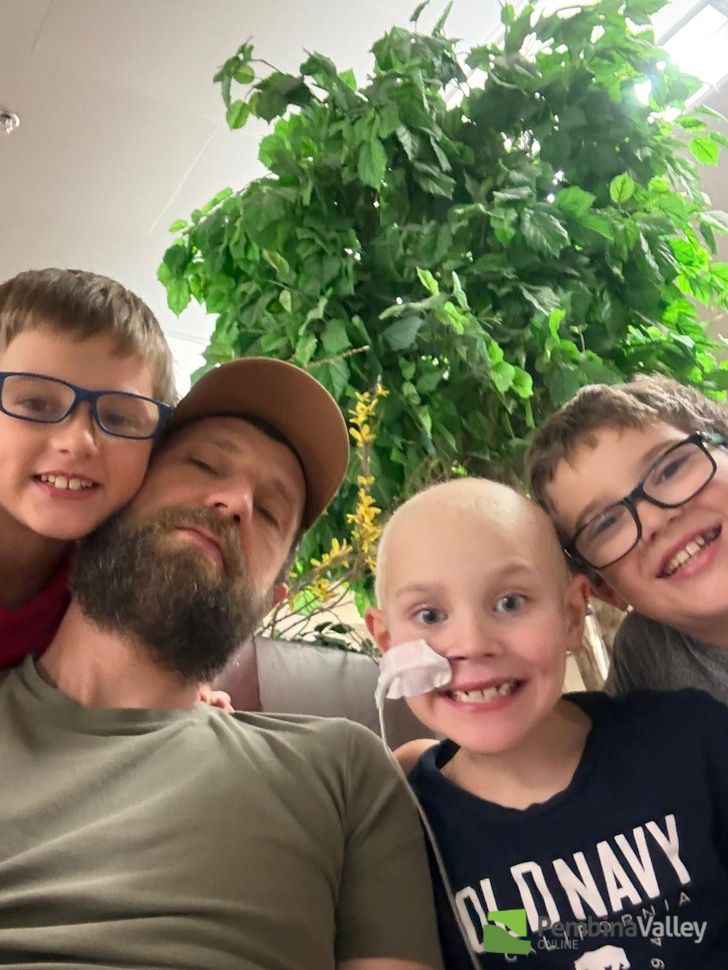
Emma has stepped into a second-parent role. Tyler helps care for the family’s pets. Logan keeps Maverick occupied and entertained.
“It’s a team effort, that’s for sure,” Helena said.
The family’s father also made significant changes, leaving a previous job for local work so he could remain closer to home and support the family through treatment.
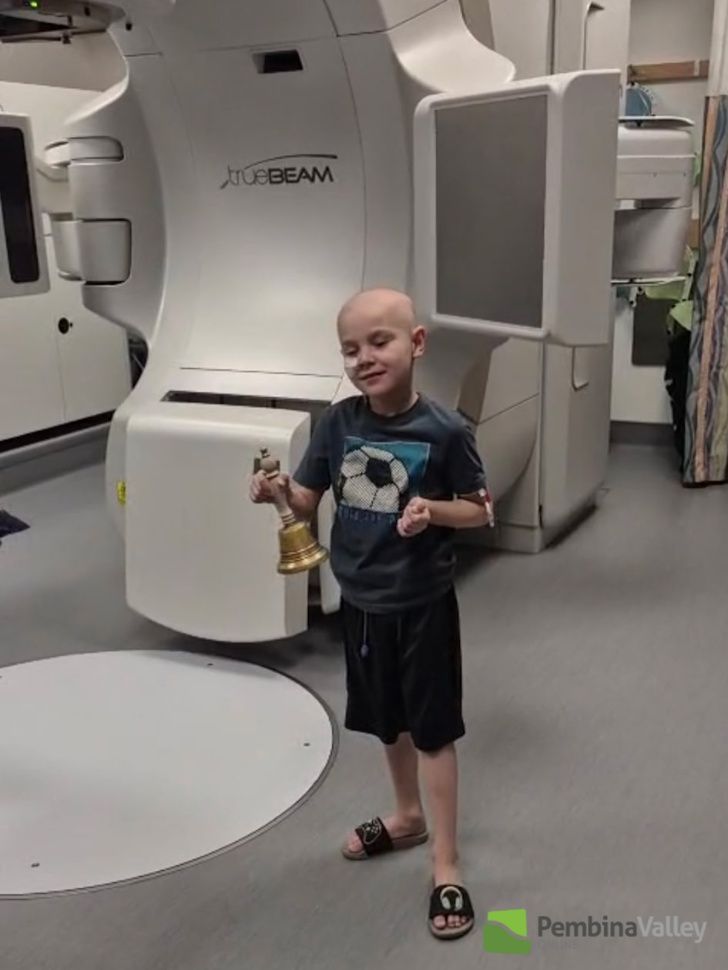
The realities of treatment
For many people, cancer treatment is difficult to imagine.
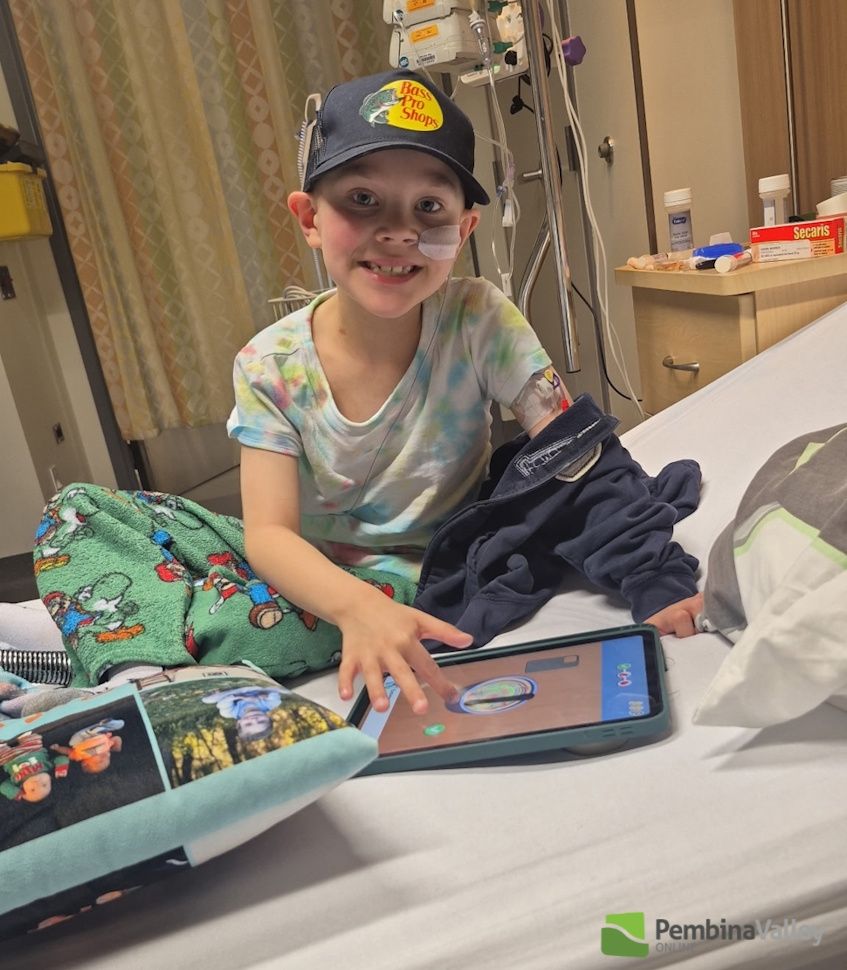
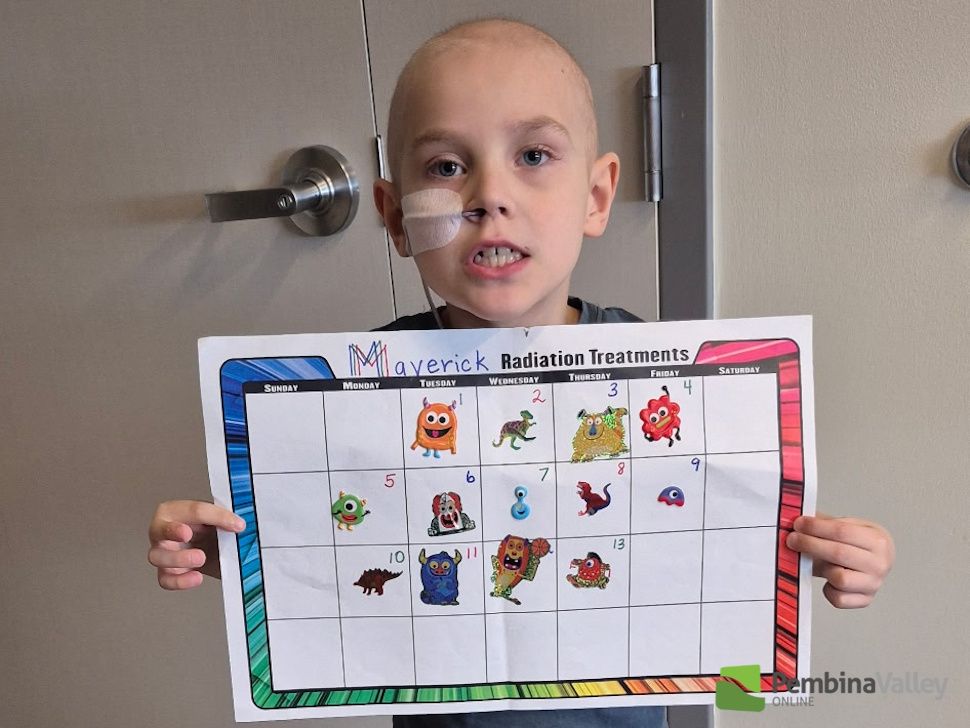
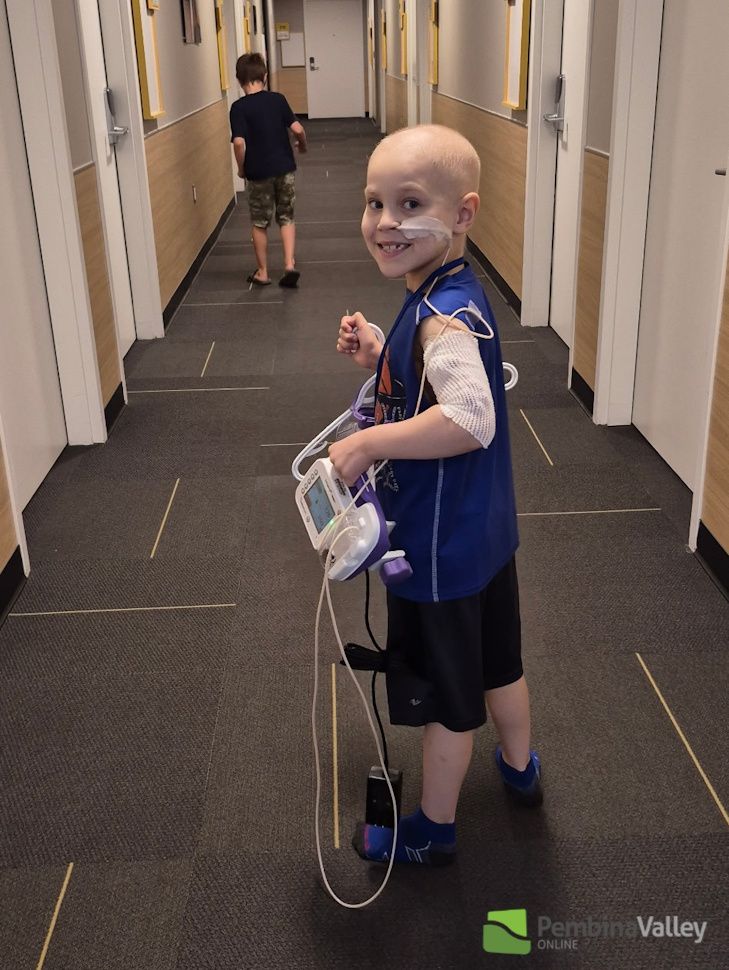
For Maverick, it means chemotherapy every two weeks, hospital stays, blood transfusions, feeding tubes, needles, and constant monitoring.
He has a PICC line for medications and transfusions.
He has an NG feeding tube because eating has become difficult.
“Well, I can, but I don’t want to mostly,” he said.
Chemotherapy leaves him exhausted.
“It just makes me feel yucky and sometimes I puke.”
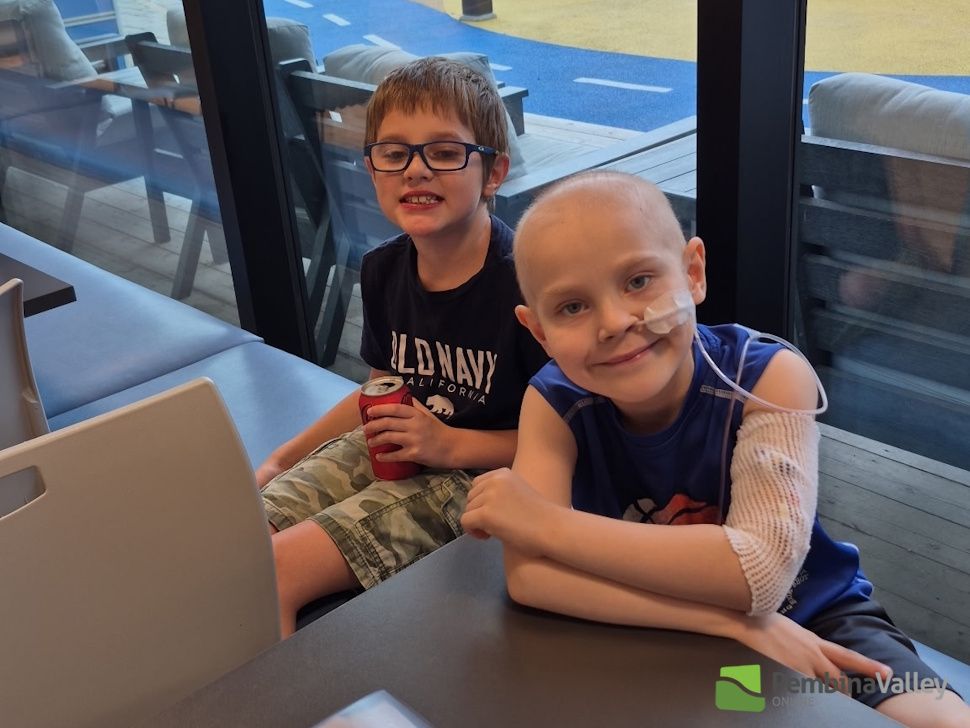
There have also been frightening complications.
After a recent severe nosebleed, Maverick understood the seriousness of what was happening.
“That was actually very scary because I could have actually died,” he said. “And that was actually really, really scary.”
The treatments also mean isolation.
Friends can no longer casually visit.
School remains uncertain.
“I might not go back to school,” he said. “Because if I went to school, I think I would have to wear a mask.”
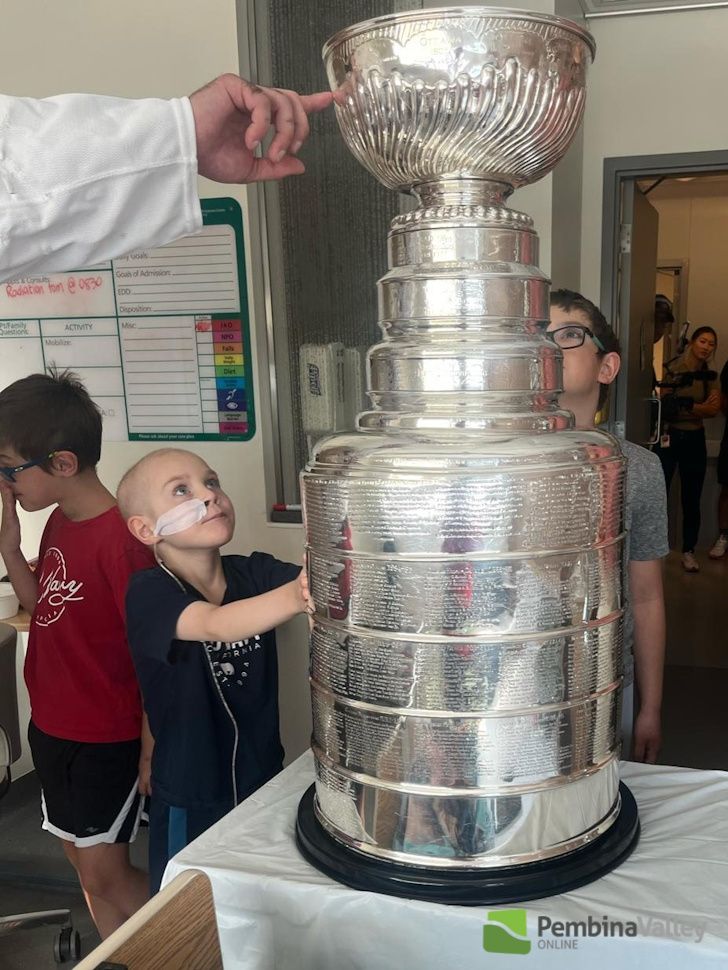
Finding hope through Candlelighters
As overwhelming as the journey has been, the Friesen family says they have not walked it alone.
Candlelighters Childhood Cancer Support Programs has provided practical support, emotional support, and connections with families who understand exactly what they are experiencing.
“We wouldn’t be here without them,” Helena said.
The organization welcomed the family with care packages, gifts, practical resources, and, perhaps most importantly, understanding.
“They definitely make you feel at home when you’re not at home,” she said.
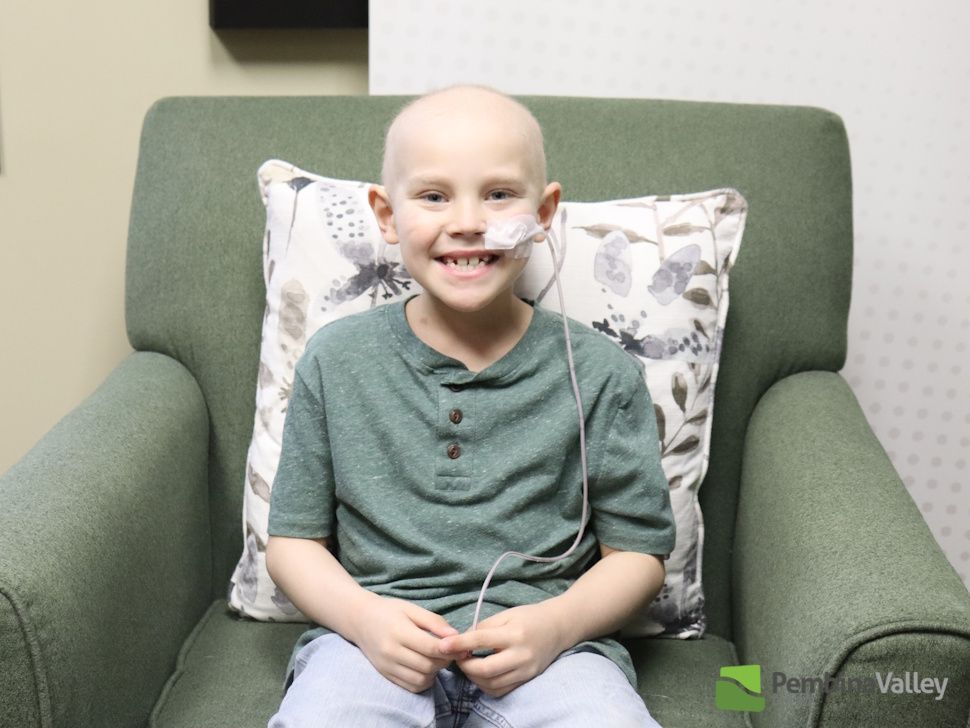
For Maverick, Candlelighters means meals, kindness, and support during long hospital stays.
“They give me food some days,” he said.
Helena said connecting with people who have experienced childhood cancer firsthand has made a tremendous difference.
“It’s comforting to know that she’s not just one person that says, ‘Oh, I understand what you’re going through,’ but she really does because she walked through those similar steps herself.”
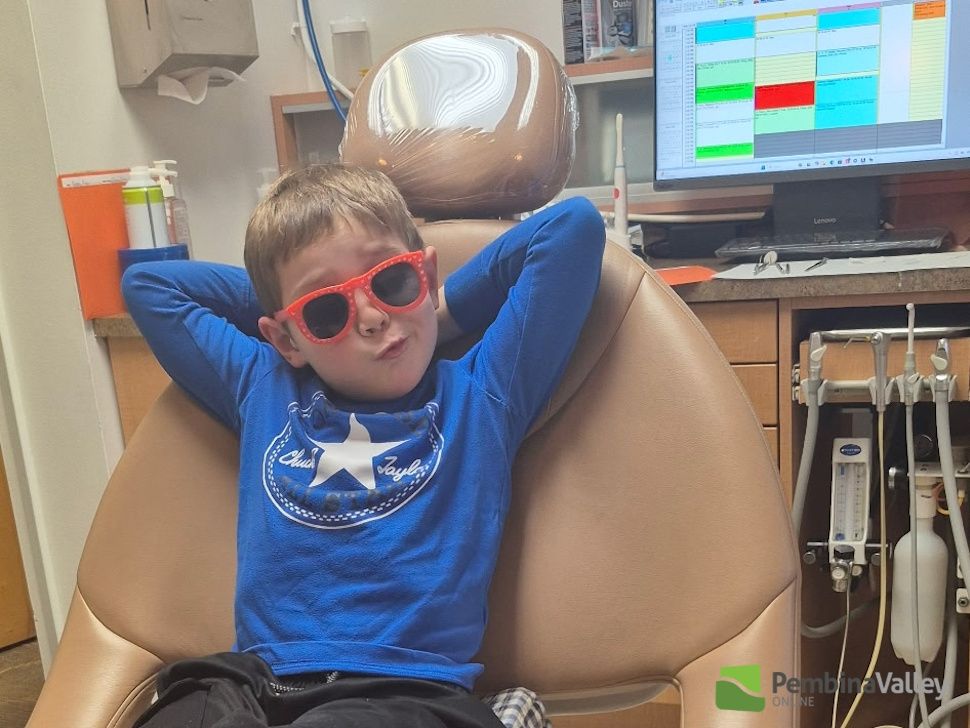
A community carrying the family
The family moved to Manitoba from Ontario five years ago.
They quickly discovered the welcoming spirit of the Pembina Valley.
That support has become even more meaningful since Maverick’s diagnosis.
Meals arrived at their door.
Friends helped with their other children.
Neighbours checked in daily.
Even strangers reached out.
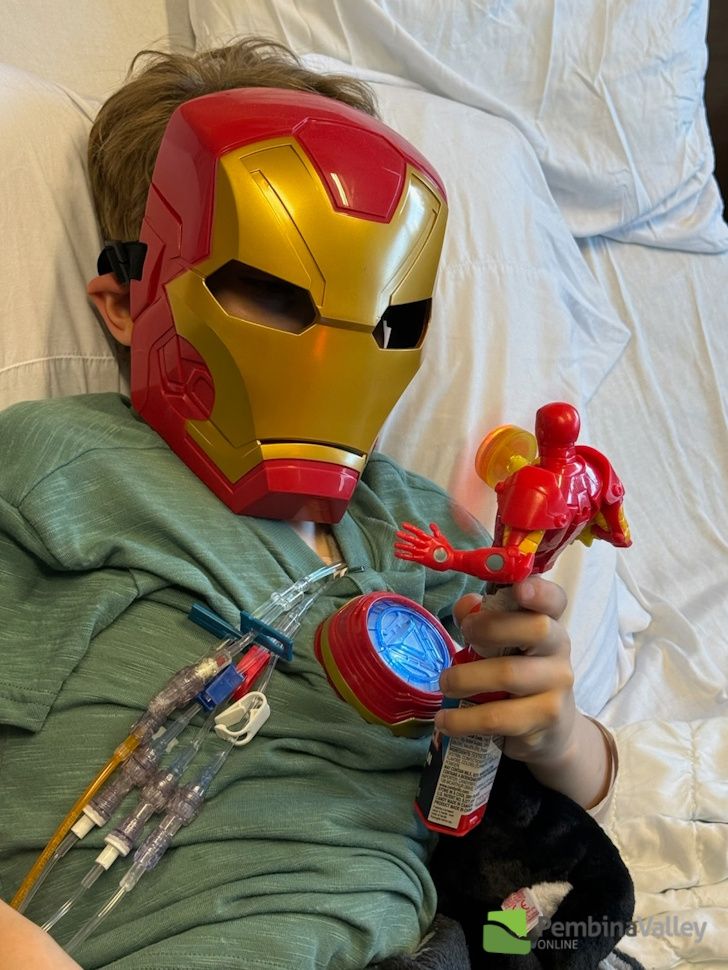
“I always think to myself, how did we get so lucky?” Helena said. “They’re all family.”
Not a day goes by without someone asking how the family is doing.
That support has helped carry them through some of their darkest moments.
Lighting the world in gold
For Helena, Childhood Cancer Awareness Month is about helping people understand that childhood cancer is real, devastating, and often invisible until it touches someone’s life.
“Childhood cancer awareness isn’t really talked about as much,” she said.
Children face surgeries, chemotherapy, feeding tubes, blood transfusions, and months away from home. Their siblings make sacrifices. Their parents live with fear and uncertainty.
Yet children like Maverick continue to show remarkable courage.
Despite everything he has endured, he still talks about swimming, playing Roblox with his siblings, and eating ribs covered in barbecue sauce.
He still worries about other children in the hospital.
And when asked what it was like to head into an eight-hour surgery, his answer captured both the fear and bravery experienced by countless children facing cancer.
“I was mostly scared,” he said, “but brave to go in.”
For Childhood Cancer Awareness Month, that may be the lesson Maverick Friesen teaches better than anyone.
Not what cancer looks like.
But what courage looks like.