
September 11, 2026 4:00 PM, EDT
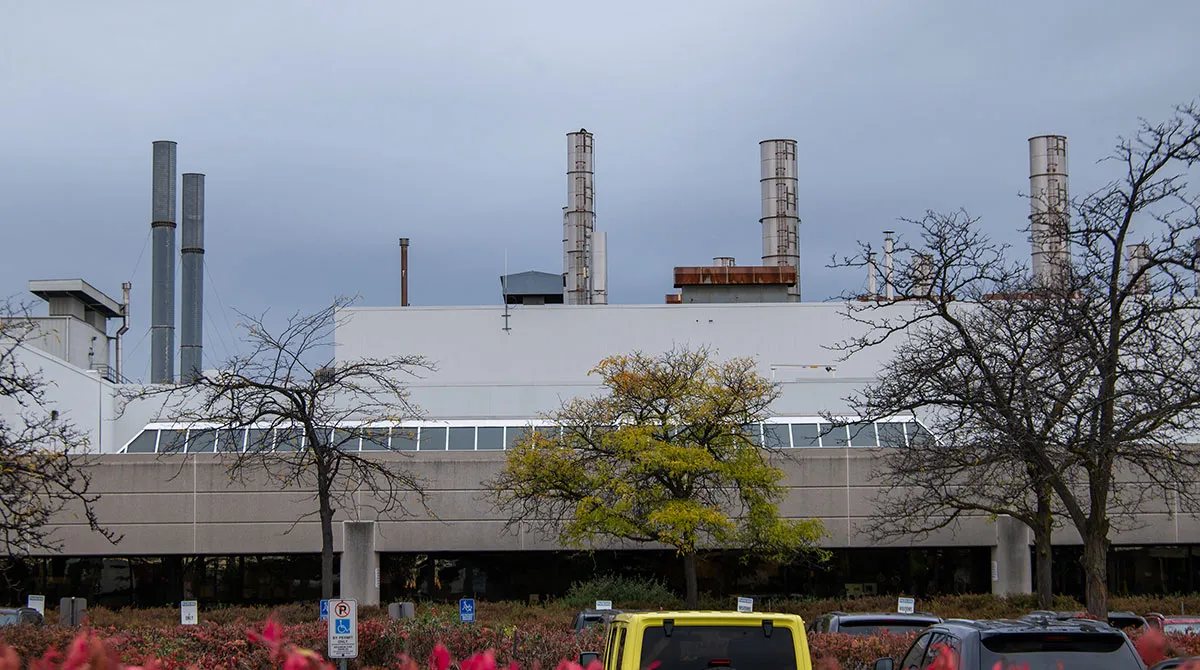
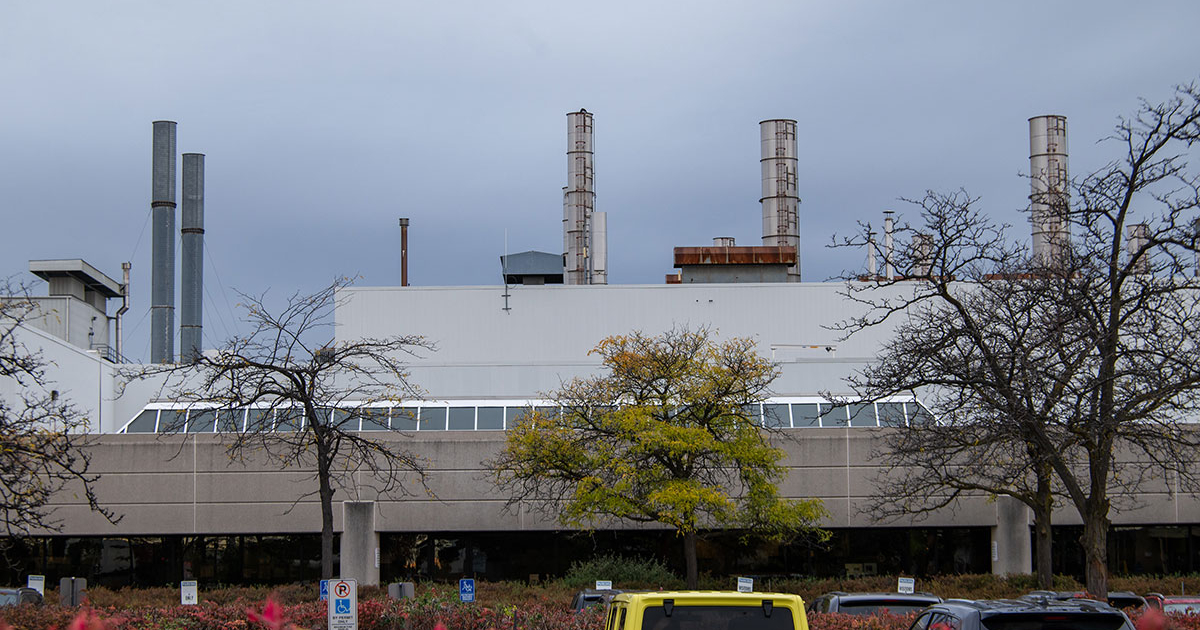
The Stellantis assembly plant in Brampton, Ontario. (Laura Proctor/Bloomberg)
Key Takeaways:
Stellantis and Roshel signed a memorandum outlining steps toward selling the idled Brampton, Ontario, assembly plant.The factory employed about 3,000 union workers before production stopped in late 2023, with planned Jeep Compass production later scrapped amid U.S. tariffs.Roshel said it could reactivate the plant if it wins a Canadian military vehicle contract worth up to C$4.9 billion.
Stellantis NV signed a memorandum with a Canadian armored vehicle manufacturer that outlines steps toward the sale of an idled car factory near Toronto — a move that represents yet another ripple effect of U.S. tariffs on the Canadian auto sector.
Roshel Inc., which is headquartered near the Stellantis plant in Brampton, Ontario, is trying to get a Canadian military contract worth as much as C$4.9 billion to build light utility vehicles. The company has told Prime Minister Mark Carney’s government it could reactivate the facility quickly if it lands that contract.
Roshel CEO Roman Shimonov said his company is the only serious potential buyer for the facility and described the memorandum as the first step in a “very complicated” process.
“It’s a document that clearly specifies the plan, the responsibilities, the framework and everything else,” Shimonov said.
LouAnn Gosselin, a Stellantis spokesperson, confirmed the two companies have signed the document.
“Following consideration of a number of potential opportunities, Stellantis believes that Roshel represents a strong path to restoring sustainable operations at Brampton Assembly, preserving the site’s strategic role in Canada’s advanced manufacturing sector and helping to avoid a prolonged period of inactivity,” Gosselin said in a statement.
The Stellantis plant employed about 3,000 unionized workers when it was making vehicles, but it hasn’t been in production since late 2023. A plan to build the Jeep Compass SUV there was scrapped last year after President Donald Trump announced plans to impose tariffs on foreign-made vehicles.
The canceled production sparked a furious reaction from the Canadian government, which had given hundreds of millions of dollars in financial help to Stellantis. The automaker is currently at the bargaining table with Unifor, which represents the plant’s workers.

Arpan Podduturi of Samsara examines how AI, telematics and onboard cameras are converging to protect drivers and reduce risk. Tune in above or by going to RoadSigns.ttnews.com.
Unifor said last month it’s been informed Stellantis may close and sell the plant. The mayor of Brampton, Patrick Brown, told Bloomberg News recently that his office has received a number of inquiries about the plant, including one from China’s BYD Co.
Gosselin said Stellantis has a 100-year history of operations in Canada and remains “committed to supporting Canadian jobs, innovation and the long-term competitiveness of the country’s automotive sector.”
The company won’t comment further due to the bargaining with Unifor, she said.
On Sept. 11, the union said it had reached an “impasse” in its Stellantis talks, citing the Brampton plant and conversations with Roshel as a central cause.
“The persistence of the company’s proposal to close and sell the Brampton plant has hindered the bargaining process,” Unifor said in an emailed statement, adding that the proposed facility closure and sale threaten compensation for its members. “There is no economic substitute for automotive assembly in Canada, including the extensive supply chain, regional economic activity, and high-quality, union jobs connected to it.”
Flavio Volpe, president of Canada’s Automotive Parts Manufacturers’ Association, said he wishes Roshel the best as a company but does not support the plant being sold to them. The scale of a Stellantis vehicle production line pales in comparison to what Roshel can do, he said.
“That plant is the nerve center of 60 years or so of volume automotive manufacturing,” he said. “That means 500 to 1,000 vehicles a day. That means 3,000 people in the plant, and 9,000 to 12,000 people outside the plant in suppliers and supporting services.”
He said Stellantis still has unassigned production lines for its future vehicle plans, and it can still eventually use the plant again.
“I really think we need Roshel in this country, and we need a lot of Roshels, but we don’t need Roshel in Brampton at that plant,” Volpe said.
Roshel’s pitch is that it would still work with partners in the automotive sector to bring new vehicle business to the plant, alongside its own plans to build armored vehicles there and attract other defense work.
“This proposal is not about creating a substitution to an automotive plant but rather adding defense on top of the automotive production capabilities,” Shimonov said.