
Updated September 14, 2026 01:01AM
The 2026 Vuelta a España ended the grand tour summer with an exclamation point.
“Forgotten Man” Enric Mas won the red jersey on his seventh time trying. A 21-year-old won five stages in his grand tour debut. Seventy-five-kilo cobble-basher Wout van Aert nearly won the mountains jersey.
Oh, and did we mention we discovered Tadej Pogačar isn’t invincible, after all?
So much happened at this Vuelta we could riff hot takes until Halloween. But we won’t subject you to that.
Instead, here are five hot takes and five rapid-fire conclusions from the Vuelta a España:
Van Aert has given Belgium a luxury problem for road worlds
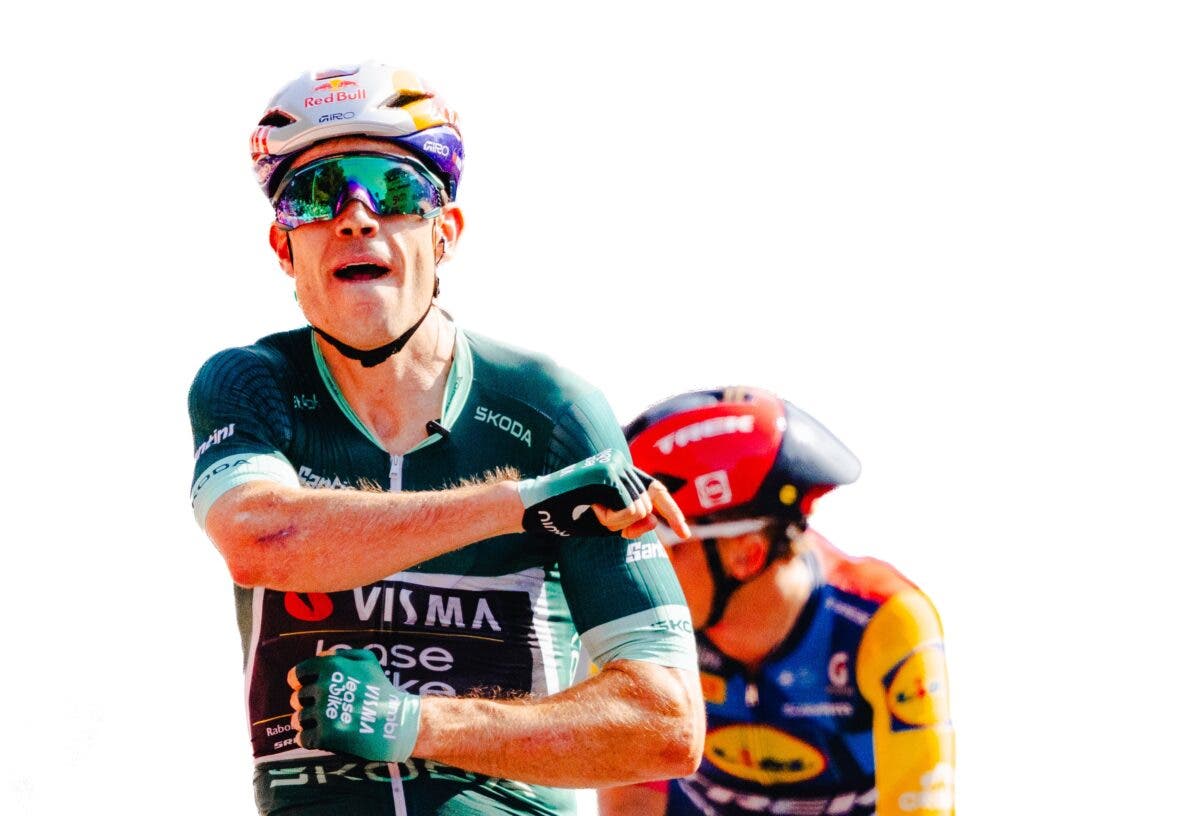 Wout van Aert has come into red-hot form, right in time to join Evenepoel and Team Belgium at road worlds. (Photo: Gruber Images)
Team Belgium has got a fiendishly complex conundrum to conjure with in the 13 days before the world championship road race.
How to combine a peak Wout van Aert with an on-fire Remco Evenepoel?
Van Aert was irresistible at La Vuelta. There’s no question that he can win a rainbow jersey in Montréal.
The 31-year-old hasn’t been this good since he ruled the 2022 Tour de France. And that hasn’t gone unnoticed across Belgium.
There’s already consternation over how the national team will play Evenepoel and Van Aert at Montréal worlds.
The course suits them both, albeit in different racing scenarios. Evenepoel with a long attack, Van Aert for a small group sprint.
With Pogačar out, both of Belgium’s two big champions can see a golden chance to win a gold medal in Montréal.
Van Aert won two stages, the green jersey, and the supercombativity prize at the Vuelta. Evenepoel roared back from finishing second at the Tour de France with victories at San Sebastian and GP Québec.
But of course, only one rider can win rainbows.
I wouldn’t want to be Team Belgium’s coach Serge Pauwels right now.
If he and his riders get their tactics right in Montréal, one of Evenepoel and Van Aert will leave in glory, one will leave in disappointment.
And if Pauwels gets the tactics wrong – or if Van Aert or Evenepoel ignore them – the scars from Team Belgium’s disaster at its home worlds in 2021 will rip right open.
Mas slaps back
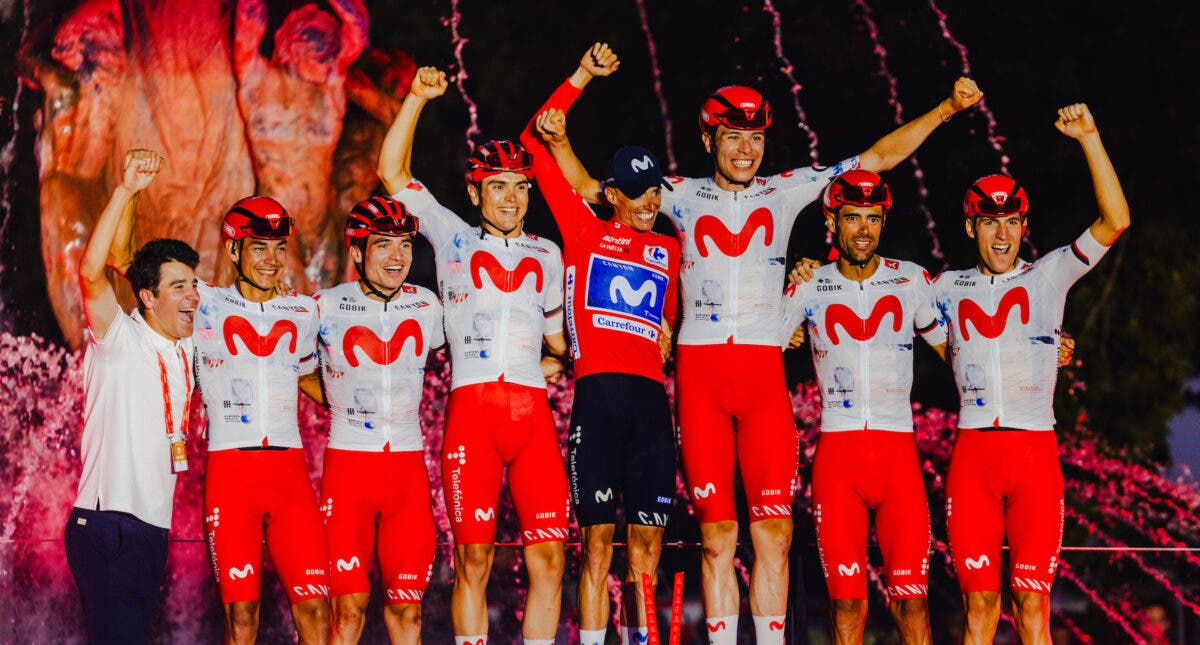 Enric Mas and Movistar hit back at all the critics by seizing the Vuelta after Pogačar’s exit. (Photo: Gruber Images)
Enric Mas showed the middle finger to all the doubters with his Vuelta a España victory.
Because Mas’ path to the red jersey was far from smooth and straightforward.
The Mallorcan climber was hailed the future king of Spanish cycling when he blasted to second overall on his Vuelta debut at the age of 23. After Alberto Contador’s recent retirement, Mas was labelled as the one.
But when the expected grand tour victory didn’t come, home expectations soon deteriorated into exhaustion.
Spanish fans – and many overseas – didn’t hold back from blasting Mas’ defensive racing and introverted character. A recent struggle to diagnose thrombophlebitis in his leg hardly helped.
Mas hit an all-time low this spring when Movistar team boss Eusebio Unzué publicly derided him for being out of shape at the 2026 Giro, despite it being his first grand tour after 20 months on the sidelines.
Things changed fast for Mas.
He took the Vuelta by the scruff of the neck after Tadej Pogačar crashed out. The “forgotten man” became a home hero by wearing the red jersey for 13 stages and becoming Spain’s first Vuelta winner since Contador in 2014.
And, yes, Mas won “in the absense of Pogačar.”
But he beat his remaining rivals with strength, not luck.
Two summit finish victories and near impenetrability in the mountains made Mas the GC champion Spain so long, and so angrily, wished for.
Brennan has given Visma a luxury problem for the Tour
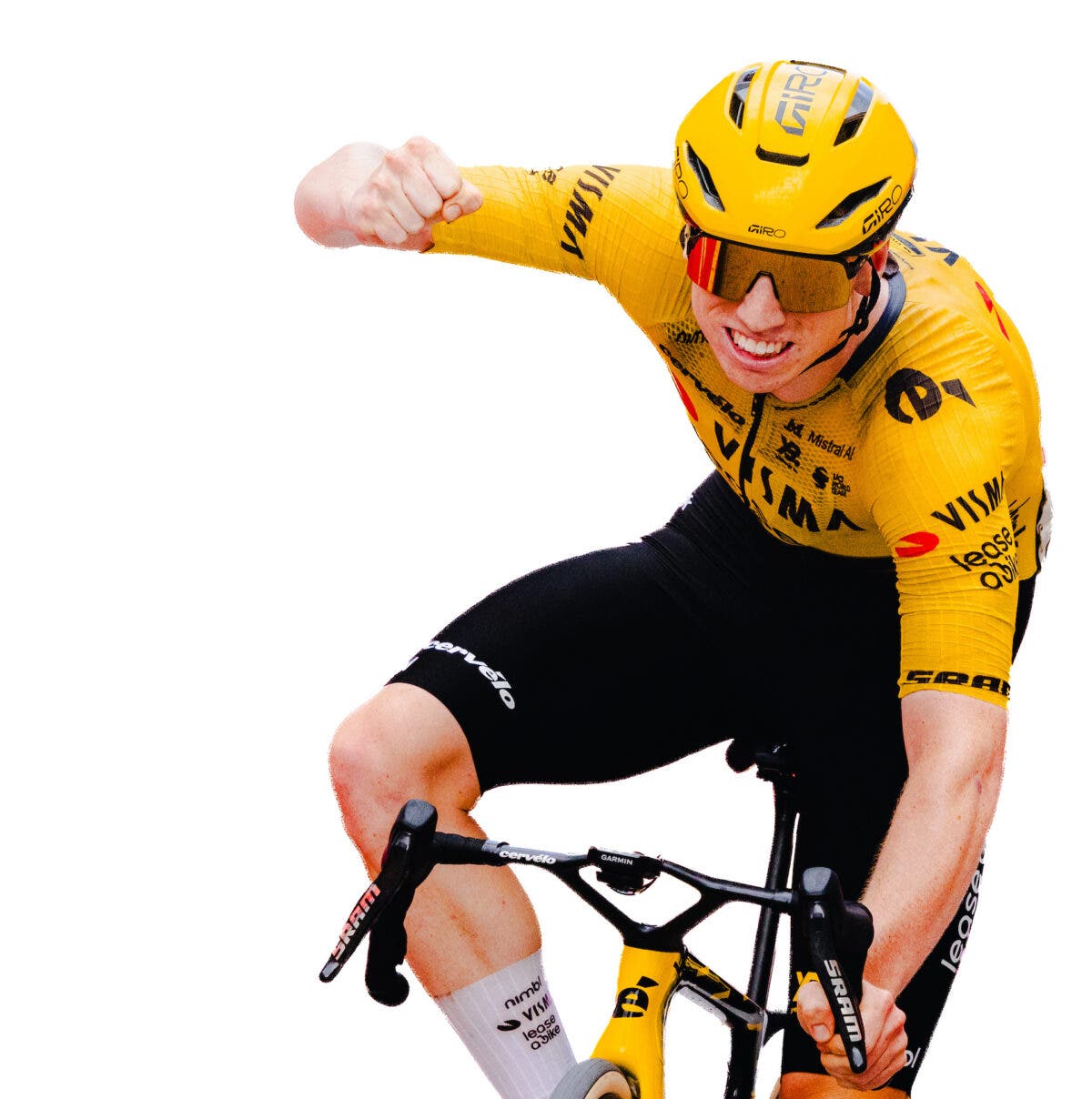 Brennan won five stage wins on his grand tour debut and is gunning for the 2027 Tour de France. (Photo: Gruber Images)
It’s not only the Belgian national team that has a luxury problem to mull over after this Vuelta a España.
Visma-Lease a Bike might be pondering a similar conundrum.
How to fit a sprint superkid alongside a GC great at the Tour de France?
Matthew Brennan made his case for selection for the 2027 Tour de France five times over at this Vuelta. Five stage wins in six “proper” sprint opportunities – the 21-year-old rarely missed.
Brennan is one of the fastest new finishers in the bunch, and he knows it. The Brit’s slew of stage wins even emboldened him to talk about winning the opening stage of his “home” grand départ next year.
It will be hard for Visma to say “no” when Brennan asks for a ticket to the 2027 TDF. He’s earned it, and he’d be a strong insurance policy against a botched GC bid.
But sprinting against Tim Merlier and Jasper Philipsen at the Tour isn’t the same as bullying Jordi Meeus and Bryan Coquard at La Vuelta. Brennan would need more than Wout van Aert to bring him through the intensity of a Tour de France sprint.
Vingegaard might have something to say about Visma taking a Brennan Train to the Tour. Whatever support Brennan gets is at the cost of his own climbing crew. He’d be at a deficit before a possible rematch with Tadej Pogacar even started.
My armchair director’s take?
Visma has to go with either Vingegaard or Brennan. Trying to do both at once could be a lose-lose for both potential leaders.
Pro cycling cannot continue to cook itself
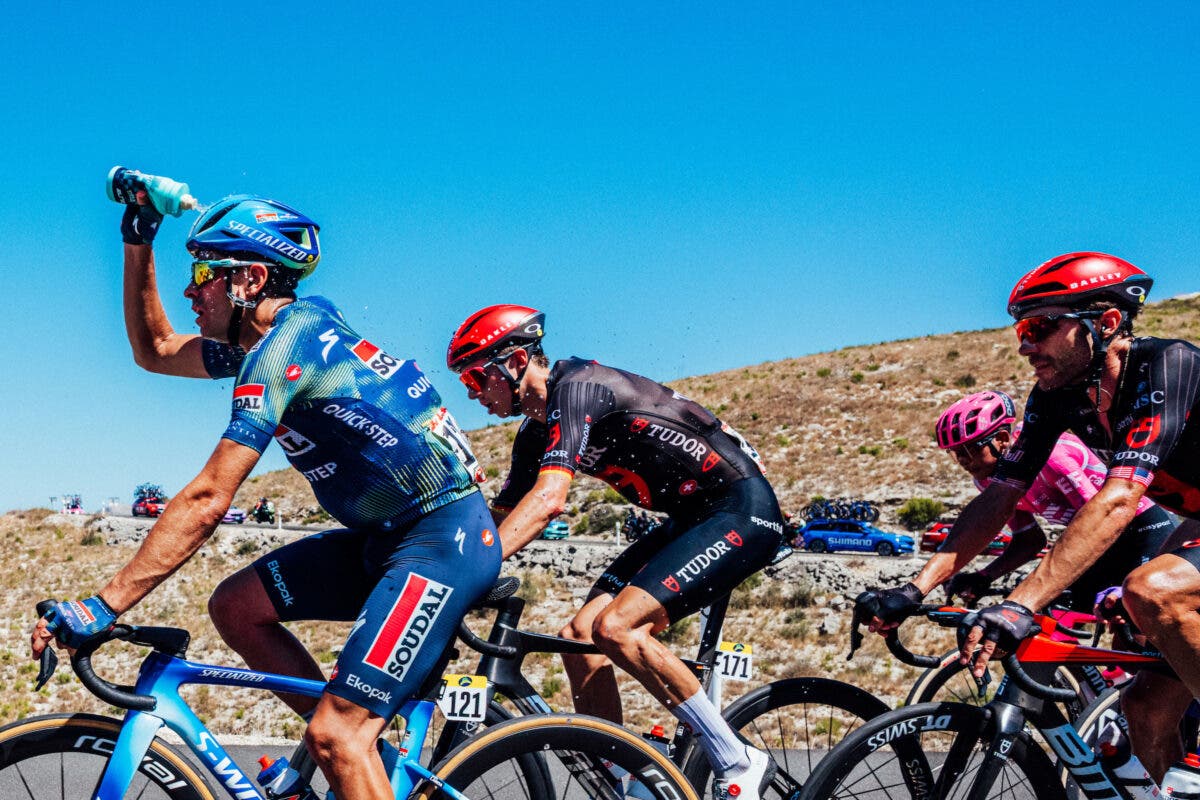 The peloton cooked as temperatures nudged up to 40 degrees C in the back half of the race. (Photo: Gruber Images)
The Vuelta a España proved cycling cannot continue under its current model.
After unprecedented heat at the Tour de France, guess what? The Vuelta was even hotter.
Riders who spent all season heat training dropped out with heat stroke, left, right, and center. João Almeida warned “we are reaching the limit of the human body” after he endured another day broiling at 40+ degrees C.
It’s almost like the decision to host half the race in Andalucía – the most southerly region of Spain and one of the sunniest regions in Europe – was a bad idea.
This Vuelta surely forces cycling to a moment of reckoning.
The bigs who pull the strings on the peloton cannot continue to ignore cycling’s climate problem. Global warming won’t be reversed by an ice vest and some relaxed restrictions on water distribution.
But what can be done to keep riders safe?
With regard to the Vuelta, race director Javier Guillén is bullish that he’ll only move his race away from peak summer if the UCI mandates it.
More broadly, organizers across the calendar will be similarly belligerent about moving races to the cool of early morning, as Tadej Pogačar suggested. Nobody wants to tune in to watch a bike race at 10 a.m., after all. Broadcast revenue would be below the floorboards.
The only other solution? Make stages shorter.
But is it still a grand tour if it’s won in 50 hours rather than 80 hours?
There’s no clear answer to cycling’s climate crisis.
But we need to find one pretty fast.
Racing is not ‘better’ without Pogačar
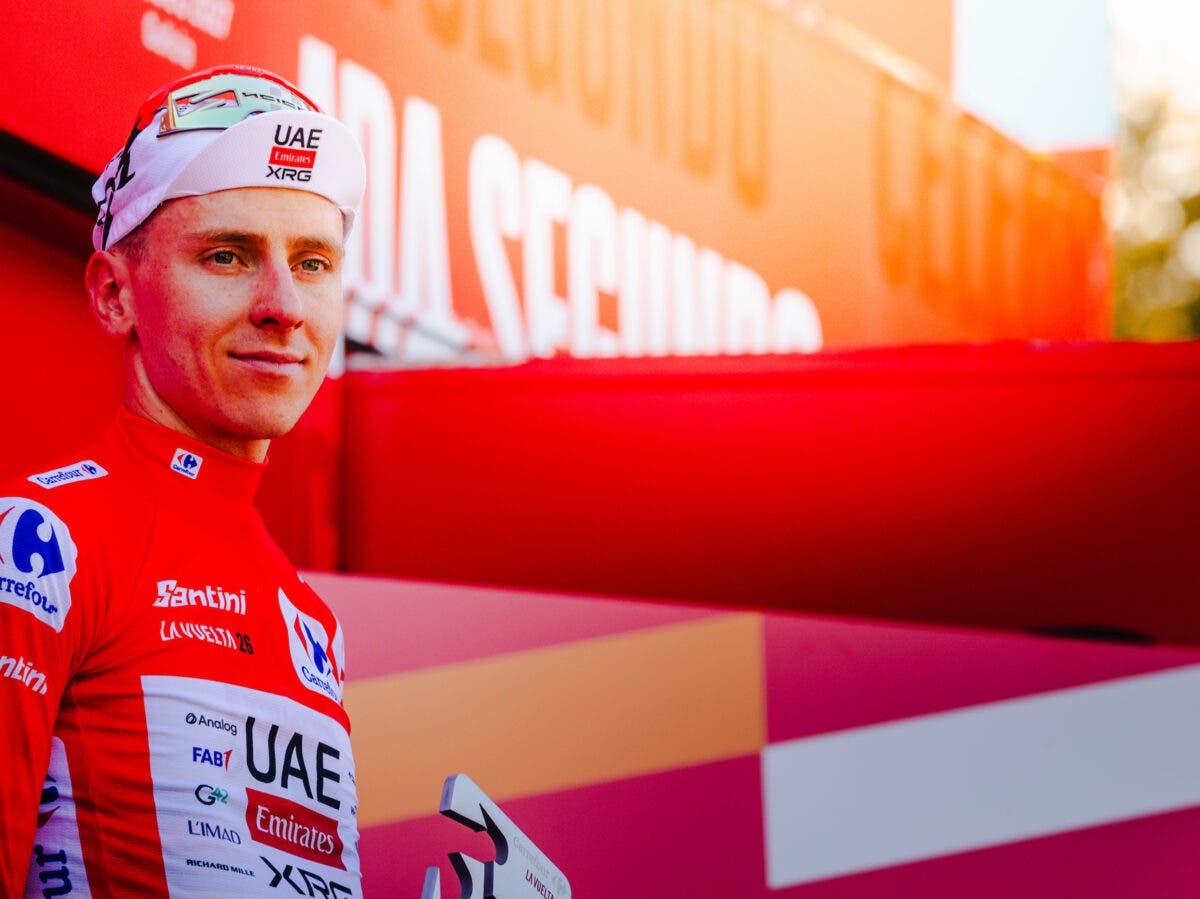 Tadej Pogačar’s crash reconfigured the Vuelta and the rest of this season. (Photo: Gruber Images)
“Couch Peloton” seems to have decided the Vuelta a España got better when Tadej Pogačar crashed out.
I’m not so sure.
It’s true that even after Enric Mas seized the red jersey, the Vuelta felt wildly unpredictable all the way through to Granada.
There hasn’t been a grand tour free from the suffocating presence of Pogačar, Jonas Vingegaard, and their respective superteams since the 2025 Giro, and it showed.
Without one dominant team and one dominant racer, the red jersey never felt truly secure until Mas hit “stop” on his bike computer after stage 21. Likewise, stage 20 was possibly the best, most riotous day of grand tour GC racing all year.
If Pogačar or Vingegaard were there, the race for first would have been a done deal by the end of week two.
But let’s not rose-tint it. Pogačar’s absence didn’t mean the three-week spectacle was better.
For example, the summit finish to Penas Blancas on stage 19 turned into a nothing burger without Pogačar to blow up the race.
There was none of the chatter of record speeds, climbing records, or superhuman attacks when Pogi left in the ambulance.
Racing wasn’t “better” without Pogačar, it was “different.”
It was a welcome break after Vingegaard dominated the 2026 Giro and Pogačar obliterated the Tour.
For example, who tipped Mas to secure a career-defining grand tour victory before the race started? And who was betting on fan-favorite Mikel Landa winning the hardest stage of the race?
Neither would have been possible were Pogačar ruling over proceedings.
But watching greatness is a privilege. We should bask in Pogačar’s brilliance while we can. Cycling might not see another superstar like him for decades.
And 5 quick-fire conclusions from the Vuelta a España
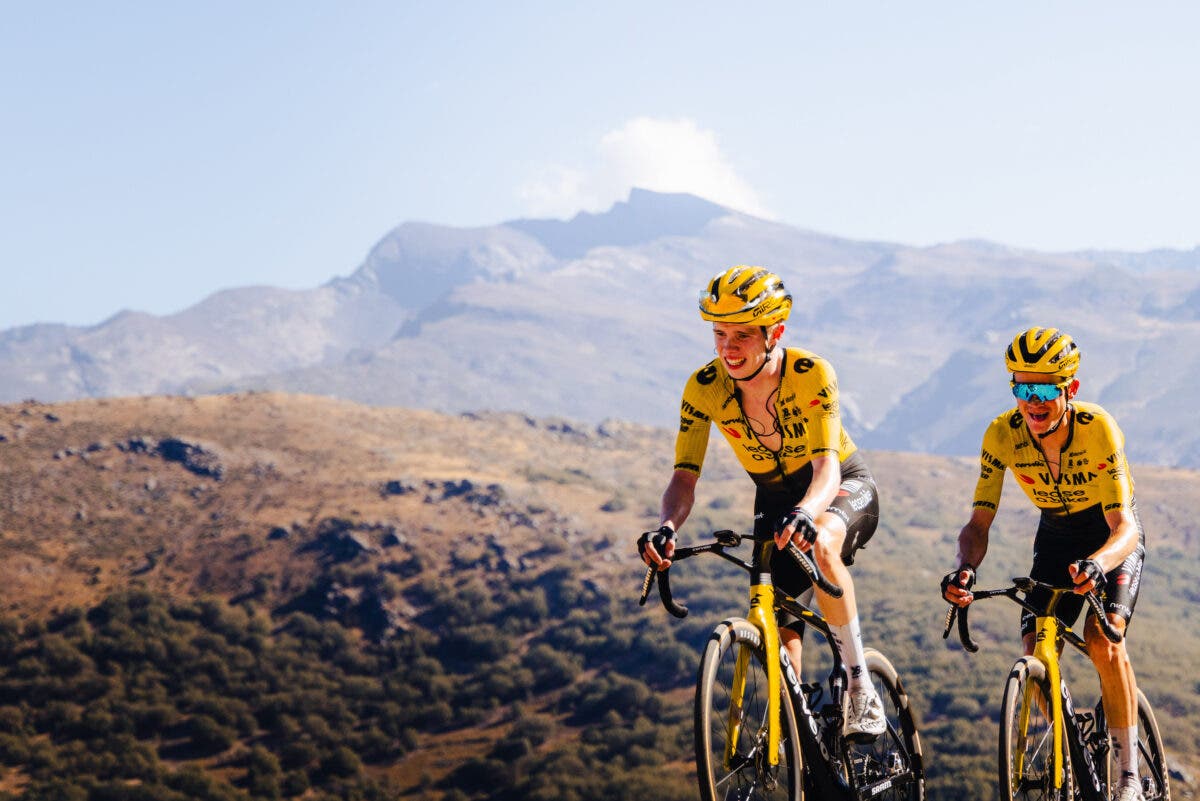 Sepp Kuss (right) vaulted from 11th to fifth with his incredible raid in Sierra Nevada. (Photo: Gruber Images)
Never count out Sepp Kuss on a supersize mountain stage. Kuss’ crazy raid on stage 20 – the final mountain stage of his third grand tour or the year – reaffirmed that the Eagle of Colorado never loses his wings.
The Primoz Roglič era is over. Yes, he secured second overall after he started the race knocked back by a crash, but it’s hard to see Rogla winning big again. A possible move to Intermarché Lotto won’t help that.
Jakob Omrzel, Ramses Debruyne, Alessandro Romele, Juan Felipe Rodriguez: take a bow. This Vuelta birthed four new stars of the future.
Richard Carapaz is, as we also concluded after the Tour de France, an animal.
Punchy circuit races are the best way to end a grand tour. The Vuelta’s final flourish in Granada and the Tour de France finale over Montmartre beat a procession and sprint any day. But let’s have the GC go to the line, please.