
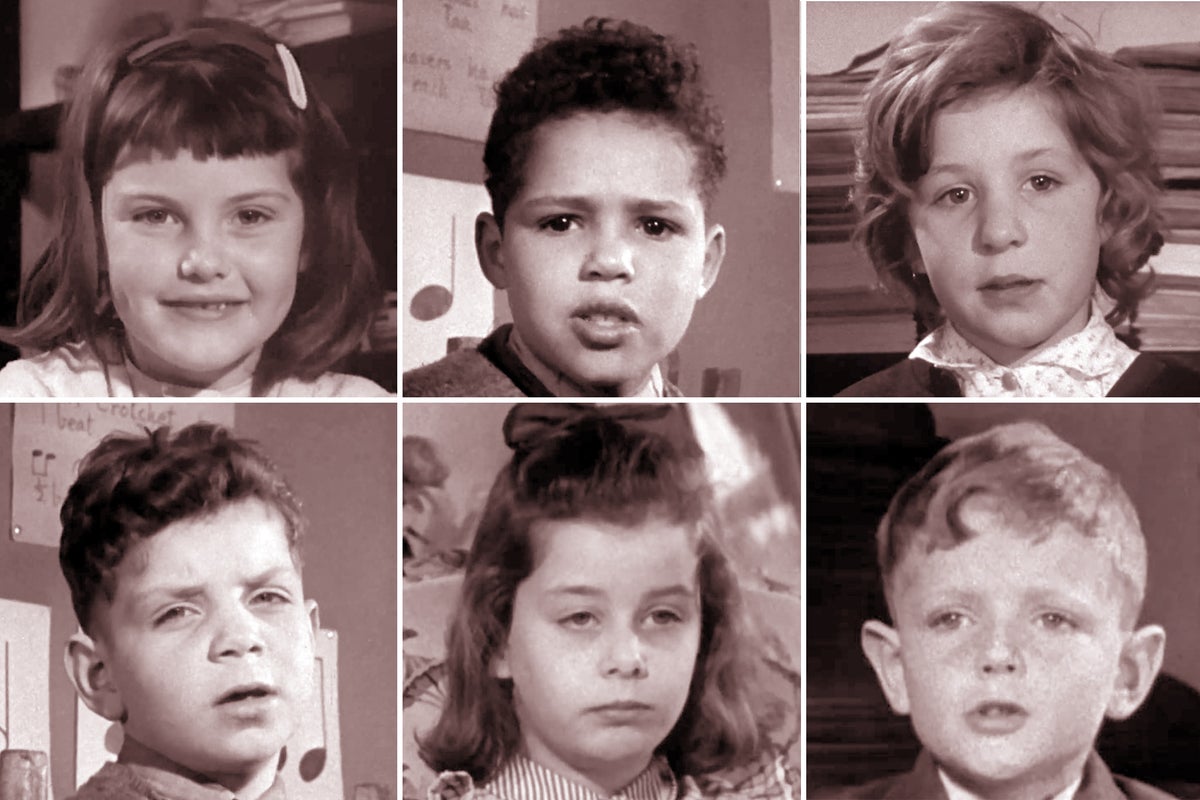
The final part of the epic Granada TV Up series will be shown tonight (15 September) and next Tuesday. It will be the last time we will see the surviving Seven Up! subjects, now aged 70, who first appeared as seven-year-olds on 5 May 1964. Being the same age, I fully believe this is the most gripping – and achingly poignant – documentary I have ever seen, the ultimate, never-to-be-bettered reality TV.
It is a documentary about 14 direct contemporaries of mine, but in effect, it’s also a documentary about me and my contemporaries and the world I have lived in. We first met them all when Harold Wilson’s Labour Party was beginning to lead the polls against PM Sir Alex Douglas Home’s Conservatives, West Ham had just won the FA Cup for the first time, and The Searchers topped the pop hit parade with Don’t Throw Your Love Away.
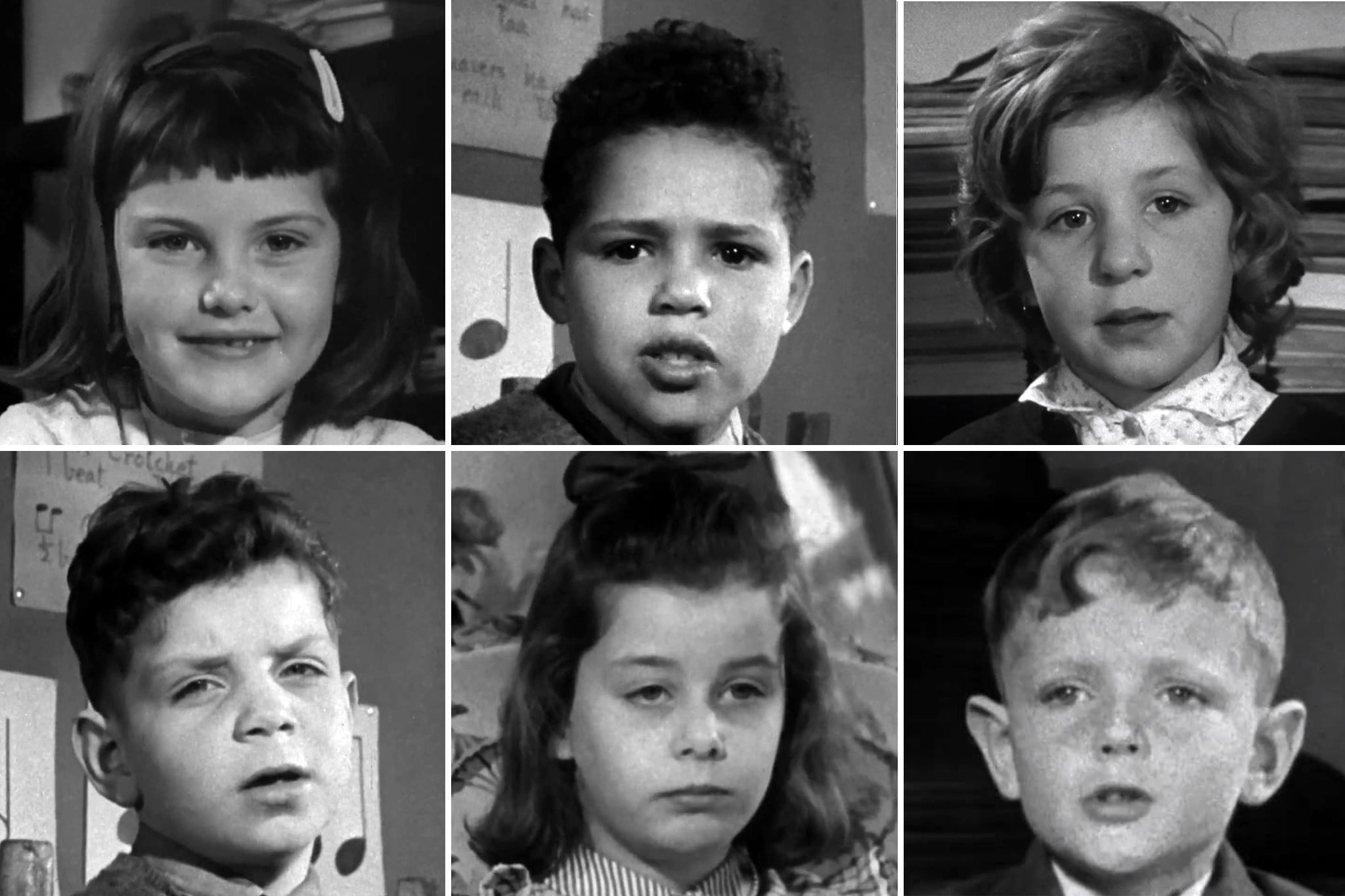 Old kids on the block: the children picked for the documentary were normal people, but show us the extraordinary nature of life (ITV)
I can’t deny that being a white, southern English man of almost the exact same age as the Seven Up! group is what has made viewing this series so utterly mesmeric. The participants in the documentary, along with all of us “boomers”, are today either knocking on heaven’s door or have already been let in. But, most significant for me, as a grandfather now, is that the programme has ultimately fulfilled its original mission; to examine whether, as the Jesuits were right to say: “Give me the child until he is seven, and I will show you the man.”
Did the seven-year-olds become the adults you would expect? In most cases, I would say yes
Most of the participants in the series have donated their lives to this magnificent study, and they should be hugely admired for sticking with it. Remarkably, the Up group had no choice at the start but to take part and their parents, amazingly, were not even consulted. The children were simply volunteered by their schools and had no idea, being seven, what they were doing or why. As the project gained momentum, only one of the cohort permanently dropped out; Charles Furneaux, after he joined the BBC and became a renowned TV documentary director himself.
In 70 Up, Charles, who, as a child, amused us with his out-of-touch pomposity, has deigned to allow his voice to be used, but only over still photos of himself supplied by him. The once strikingly handsome young man says he doesn’t want people to know what he looks like today. I know the feeling, mate, but there’s this thing called Google, where it’s the work of five seconds to see what Charles looks like now. This is precisely the kind of self-important boomer omni-blunder that makes my children roll their eyes on a regular basis.
So, did the seven-year-olds become the adults you would expect? In most cases, I would say yes. One of the most interesting, though, Neil, very much did not.
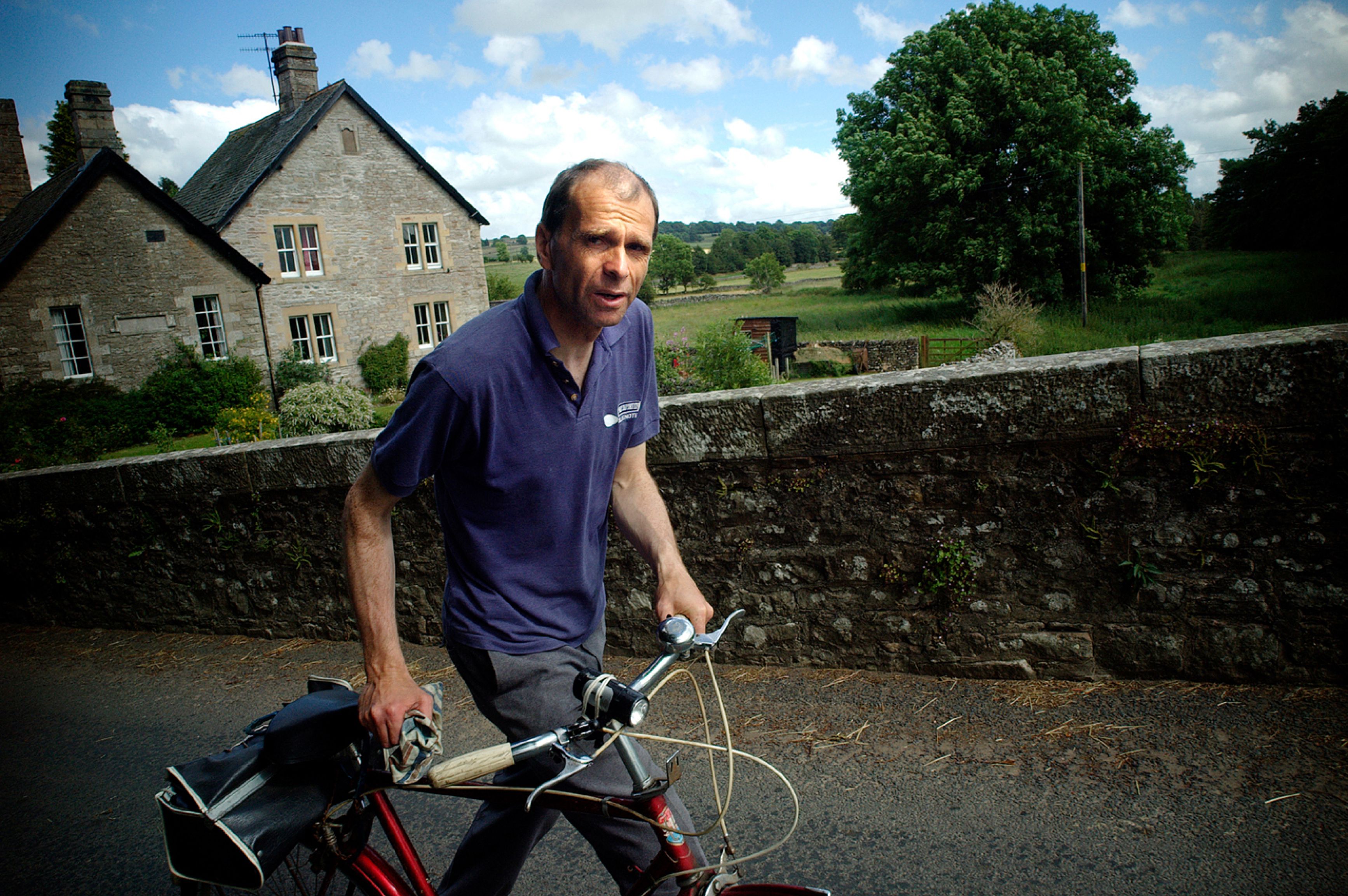 Neil Hughes, pictured in 2005’s ‘49 Up’, struggled through phases in his life; his story is fascinating (ITV/Shutterstock)
Aged seven as a cheerful, charismatic and angelic-faced little boy in a Liverpool suburb, you would almost have expected him to be a huge success and a popular guy in any field he chose. Yet through the years we see him on a rollercoaster ride, going from terrible depression, physical decay and isolation and homelessness, to becoming a Liberal Democrat councillor in Hackney, a priest in the Lake District and a local oddity doing amateur dramatics in Shetland.
Today, he lives in France, works in a book shop and perceives himself as having been an adventurer through life. He seems wonderfully un-sorry for himself.
I know, however, that the long-term director of the Up series, Michael Apted, who died in 2023, worried that Neil might fall by the wayside due to his mental torment. Apted, eight years older than me, grew up a few streets from our house in humble Gants Hill, Essex, and I later got to know him a little bit in Los Angeles. In an interview I did with him, he admitted Neil had been the one he worried about the most.
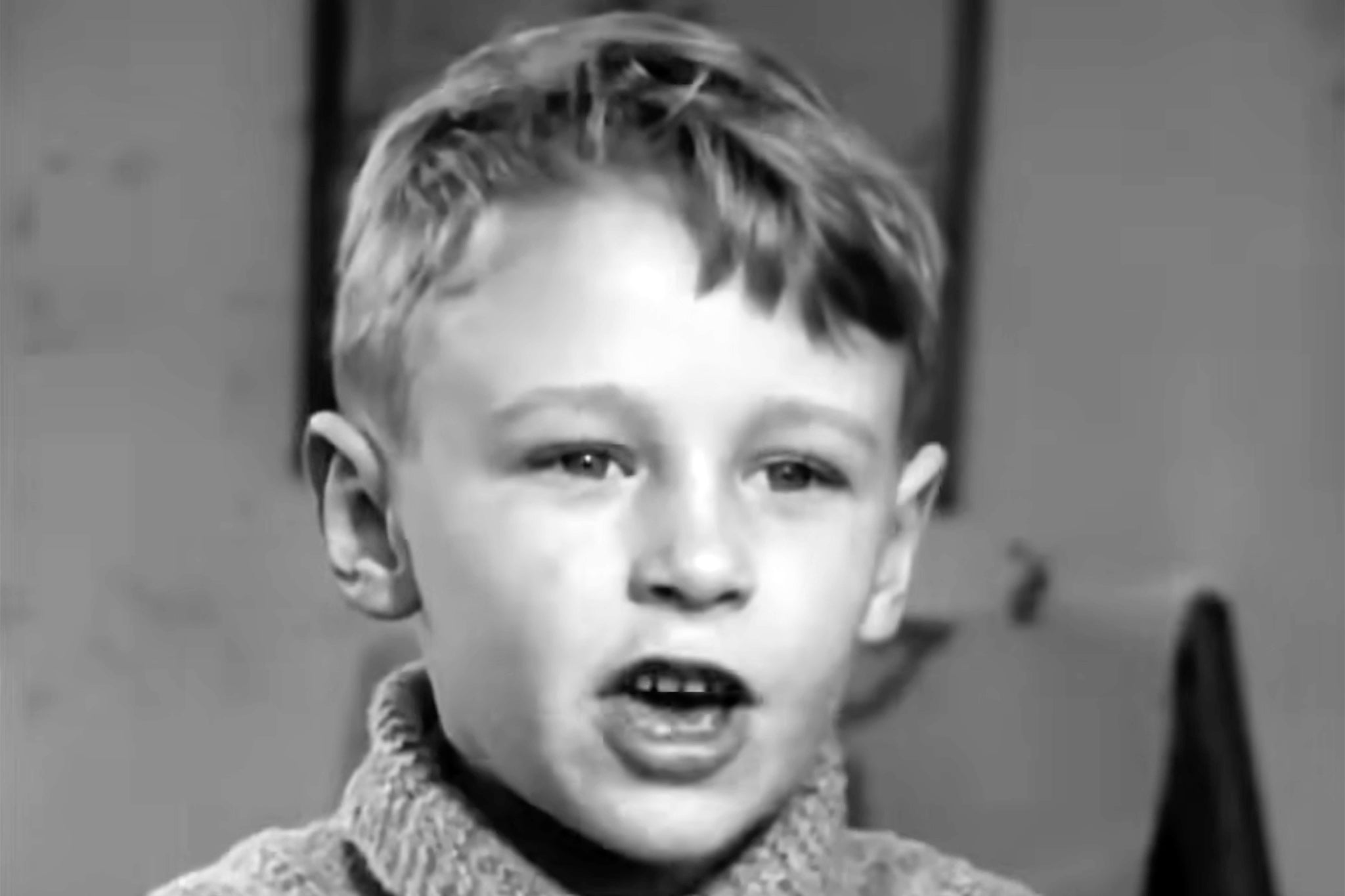 Despite being subject to tabloid attacks in his adult life – Liverpudlian Peter seems to have ended up OK (ITV)
But remarkably, aside from Neil, the others turned out much as you might expect. The sweet, shy little lad in north Yorkshire who was adamant that he didn’t want to be a farmer like his dad, became a physics professor in the US. Prepare for a heartbreaking contribution from Nick in the 70 Up series.
Neil’s schoolmate in Liverpool, Peter, who, as a teacher, was ripped to shreds by the tabloids in 28 Up for expressing his mild opposition to Margaret Thatcher, is a rather cool-looking guy for 70 and is now a novelist and in a rather good band.
Paul, the shy boy in a London children’s home in 1964 has built a whole life and close family in Australia. Symon, the half-Nigerian boy without a dad in 1964, became a much-loved foster parent to 160 children.
Without exception, all the children have grown wiser and more genial with age, which I’m delighted to see at a time when being old is so widely disparaged and disrespected.
Even John, the rather objectionable upper-class boy in the early days who became a QC presents as a far more rounded and likeable character than he was when younger. This is despite being the only participant who says he disliked and resented the generally well-loved Apted. Perhaps that was a residue of John’s class background; we Gants Hill people are the antithesis of posh.
We boomers truly do come from a different age; I, honestly, sometimes struggle to remember that we didn’t actually live in black and white
But, for me, the emotional heft of the series has nothing to do with British culture wars. It comes from the shadow of mortality and the extraordinary way the Up series compresses the passage of the Biblical three score years and 10 into a few hours.
Nick, the physicist, describes this sensation as being like a time-lapse film of your own life whizzing by. Tony, the exceptionally articulate cheeky chappie East Ender cabbie explains it “like celluloid going through my mind”. Symon wonders how many other people of 70 have their whole life presented publicly on film. (The only people I can really think of are the royal family.)
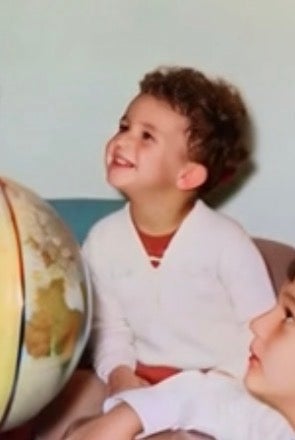 Jonathan, the writer, as a child – his age aligned with those in the Up series (Jonathan Margolis)
It is sobering in the extreme to see just how short 70 years is, and, in the big picture, how inconsequential almost all of us are. I often think of the popular idea that we die twice – the first time physically, the second the moment our name is spoken for the very last time.
In the case of, say, Paul McCartney or Dame Mary Beard, Mick Jagger, or Princess Anne, that second death might come in 100 years. A Mozart, an Einstein or a King Charles, maybe 1,000 years.
But for me, and other boomers around my age, it would be surprising if I were remembered 30 years or less from now. In the long run, it doesn’t matter how big a cheese you are, or think you are, or hope to become; you will soon be forgotten. A prosaic message, but a wake up call, as several of the 70 Up participants point out, to make the most of the time you have. Life is long, until it isn’t.
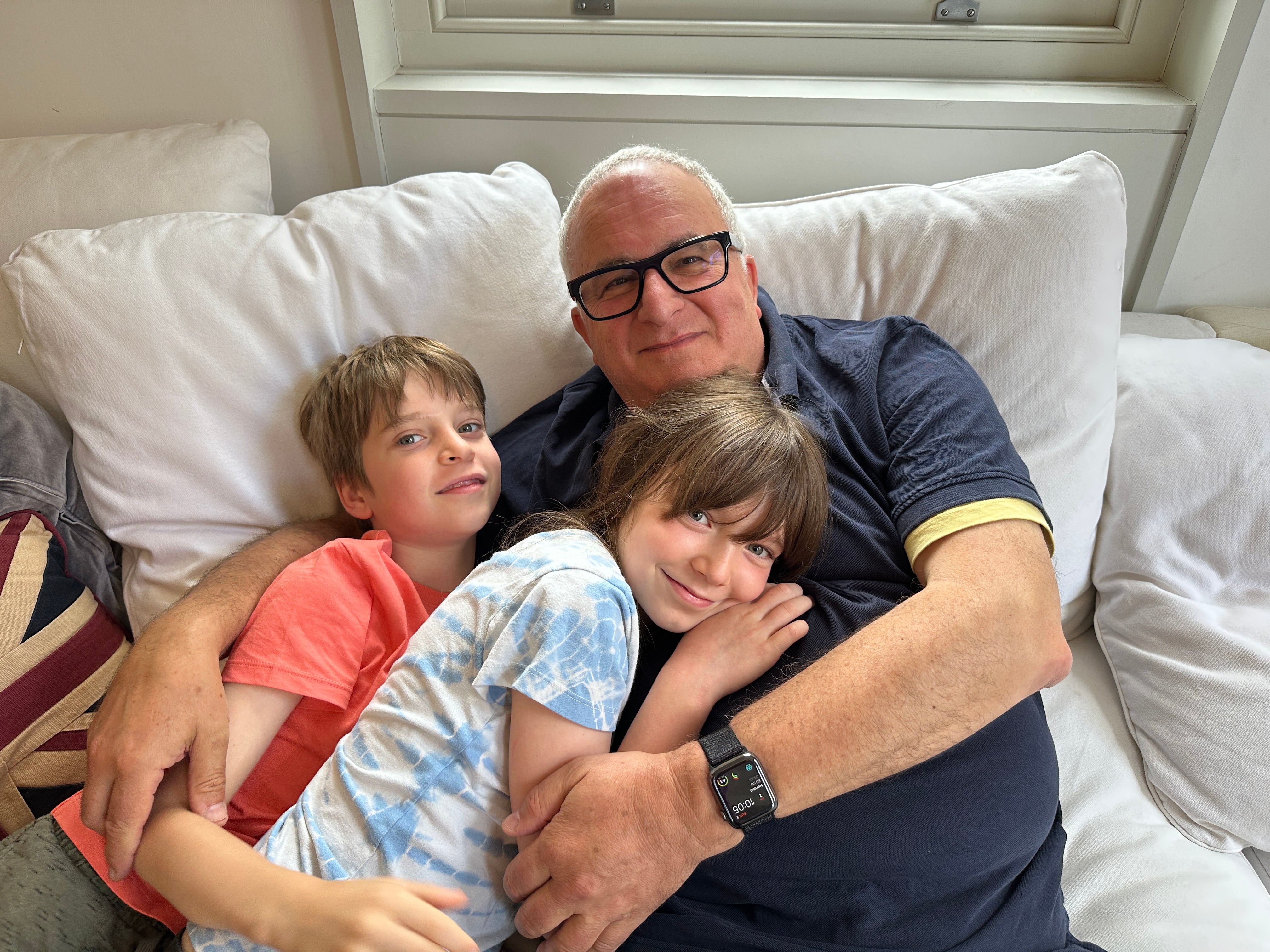 Circle of life: Jonathan is now a grandfather (Jonathan Margolis)
The Seven Up! kids are supremely ordinary people, wholly representative of my generation, which is why we oldies identify so strongly with them. The only flaw in the sample was the paucity of women – just four out of 14 participants, something Apted greatly regretted. A viewer coming to this series for the first time might also conclude it has next to nothing relevant to non-white people, including absolutely nothing for LGBTQ+ communities, but the idea of women, non-white people or gay people really counting for much was new in 1964.
We boomers truly do come from a different age; I, honestly, sometimes struggle to remember that we didn’t actually live in black and white.
But by the magic of film, however, it is likely that the Seven Up! contingent’s lives will be studied and discussed 100, even hundreds years from now: what a fantastic, sublime social document of the passage of time and our place in it, it will be. It’s only telly, I know, but I agree with those who are now calling it a Bayeux Tapestry-level record of the past century.
Jonathan Margolis’s life at 70 (Up).
I am like one of the less interesting participants in Seven Up! – I had decided by 14 what I wanted to do, did it, had a few adventures along the way, a few little tragedies, and a lot of interesting times. The end.
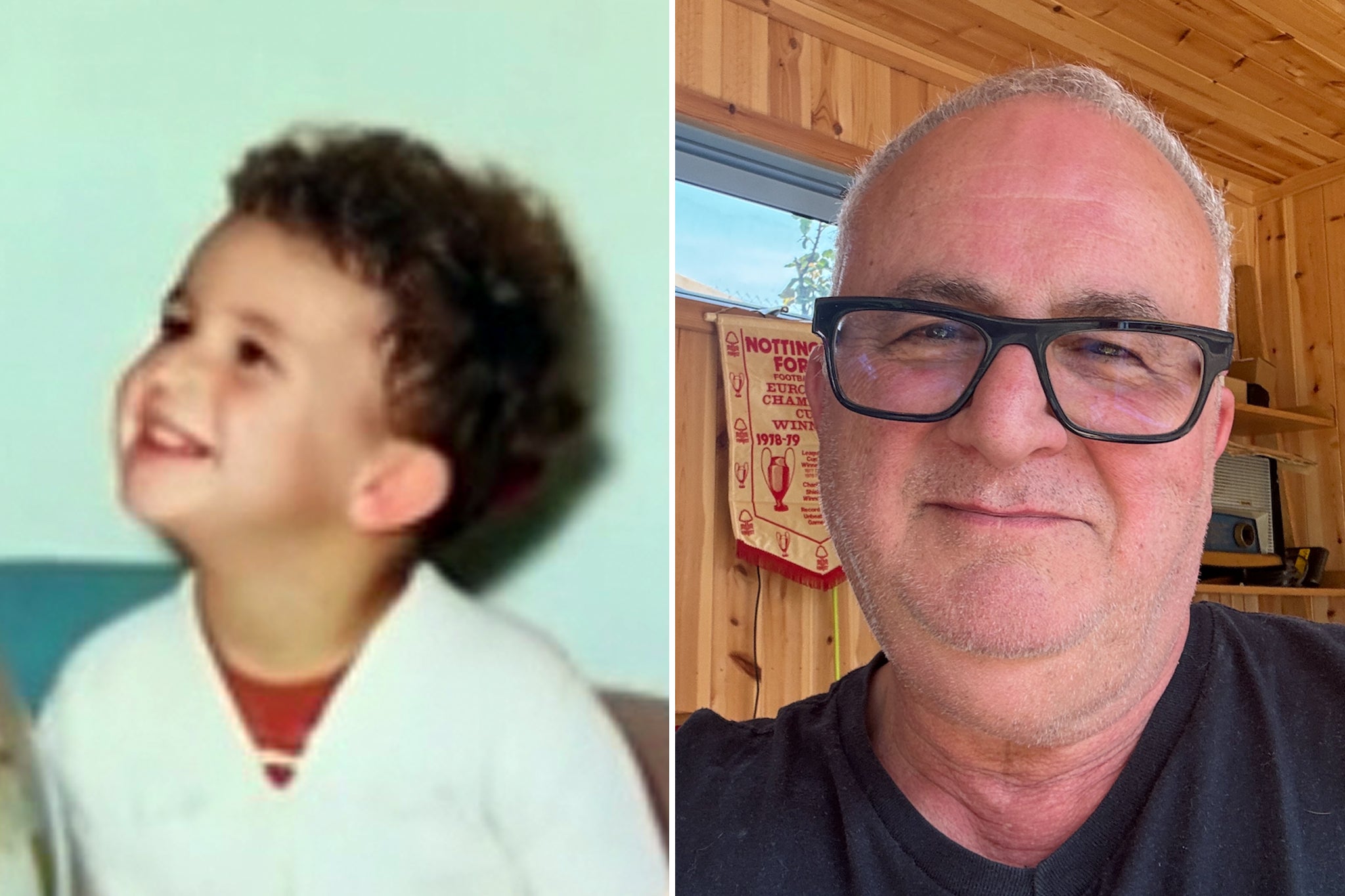 The passage of time: Jonathan Margolis, who grew up alongside those in the Up series, believes it has thoroughly achieved its objective (Jonathan Margolis)
Aged 7: I want to be a vet. I’m the curly-haired one ask a lot of annoying questions.
Aged 14: I want to be a journalist like my mum, who somehow convinced Spike Milligan to come to dinner with us.
Aged 21: I am a journalist – and also getting married in a bad rented tux
Aged 28: I am on Fleet Street!
Aged 35: I’m working in America
Aged 42: I become a dad for the third time
Aged 49: I’m working in Australia
Aged 56: Same old, but doing some TV now
Aged 63: I have grandchildren
Aged 70: I’m proper old now…
‘70 Up’ airs at 9pm on 15 September on ITV1 and ITVX. All previous episodes in the Up series are streaming on ITVX in the UK