
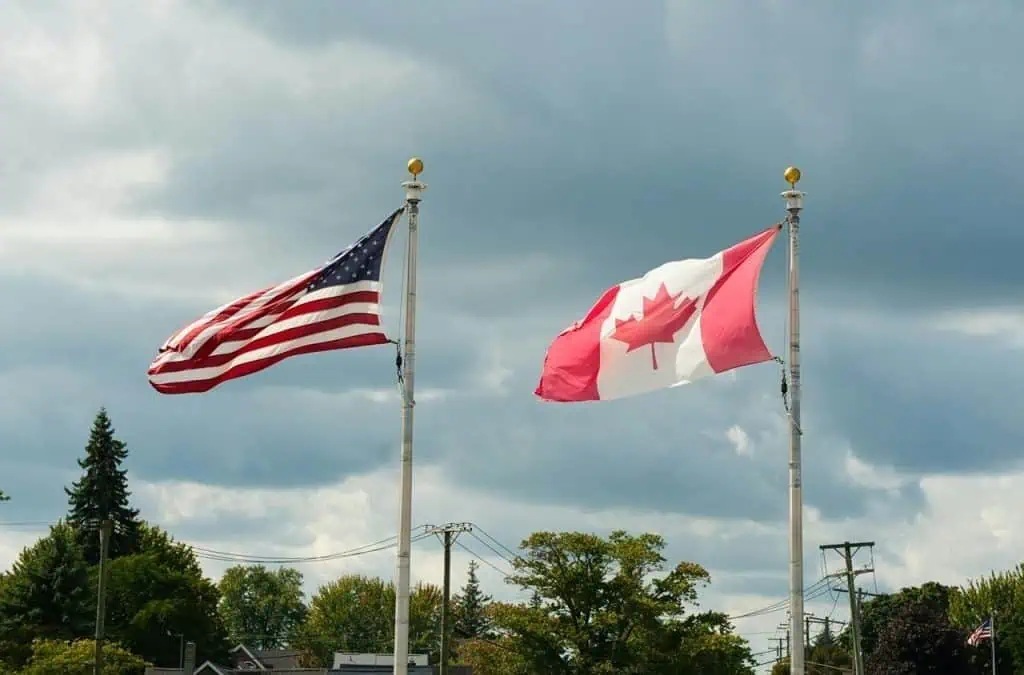
As the trade war between Canada and the U.S. continues, the city is considering a plan to provide property tax relief for Mississauga businesses impacted by new tariffs imposed late last month.
Mississauga city council will discussion a motion on Wednesday to have senior city staff develop a more specific response plan to the tariffs introduced by the U.S. on Aug. 22.
The suspension of trade negotiations on Aug. 21 and subsequent tariffs “present a significant and ongoing threat to Mississauga’s businesses and workers,” City of Mississauga officials said earlier.
The motion, tabled by Mayor Carolyn Parrish, proposes a number of ways in which the city can help businesses weather the storm brought on by the tension in trade relations between Canada and the U.S.
Property tax deferrals also part of proposal
Among the proposals are a “broad property class or general tax payment relief for the 2027 tax year,” property tax deferrals for businesses feeling financial hardship due to the tariffs, an application-based tax instalment deferral program, grant funding opportunities and other initiatives.
If council approves the motion this week, senior staff will evaluate various options and report back to council with a proposed plan at a later date.
The motion’s preamble notes, among other things:
The city met with the Mississauga Board of Trade, which represents some 1,000 larger businesses across the city in addition to numerous smaller operations, on Aug. 25 to map out ways the city can advocate for and support small- and medium-sized businesses and jobs disrupted by the economic uncertainty.
City council in March 2025, in response to U.S. President Donald Trump’s initial tariffs, approved Invest Mississauga’s Partners in Trade Response Plan, a city-wide response to support small- and medium-sized businesses through advisory services, export diversification, access to government programs, advocacy and procurement measures that strengthen domestic suppliers and local supply chains.
City officials have already taken tariff-related actions in the city’s procurement framework to support Ontario-based suppliers and strengthen local supply chains.
City staff has applied for $1.5 million in federal funding that would help Mississauga deliver a trade mission acceleration program designed to help small- and medium-sized businesses diversify into non-U.S. markets through export readiness training and trade missions.
The city has said it’s moving fast to protect local businesses given Mississauga’s economy “is particularly vulnerable to U.S. tariffs,” with 18 per cent of total employment in Canada’s seventh-largest city, roughly 89,000 jobs, “tied directly to U.S. exports.”
Key areas affected include automotive parts, machinery and electronics, plastics and rubber, furniture, and steel and aluminum products, the city added.
“Troubling trade developments” threaten jobs, risk inflation
“As a city, we are determined to stand up and defend these jobs and sectors,” city officials said earlier, adding they’re “encouraged that the federal government is rolling out rapid assistance to workers and businesses hit by this latest trade and economic turbulence.
“These troubling trade developments imperil jobs and risk a spike in inflation,” the city continued. “That is why we are exploring ways in which to help our local businesses.
“It is clear that we must diversify our international trade partnerships,” officials added. “Mississauga has always been open to the world. That openness will facilitate an expansion of productive and solid international partnerships.”
Canadian PM called off talks in the U.S.
The Aug. 21 rejection by Canadian Prime Minister Mark Carney of a proposed U.S. trade agreement — described by the PM as a “bad deal” — and subsequent suspension of talks between the two nations has raised the temperature on both sides of the border.
The breakdown in negotiations also led to the introduction by the U.S. of 50 per cent tariffs that target $28 billion in Canadian goods ranging from hockey sticks and honey to essential oils and dairy products.
Carney, whose promised retaliatory tariffs took effect on Sept. 8, called off talks with the Americans after accusing the U.S. administration of introducing measures that included restrictions on Canada’s ability to do deals with other countries.
INsauga’s Editorial Standards and Policies
Last 30 Days: 48,100 Votes
All Time: 1,517,832 Votes
113 VOTES
Do you think TIFF tickets are reasonably priced?
Stay in the know.
Subscribe now to receive our daily email of today’s top stories in your city!