
ASM, Philippine Canadian Inquirer
September 17, 2026
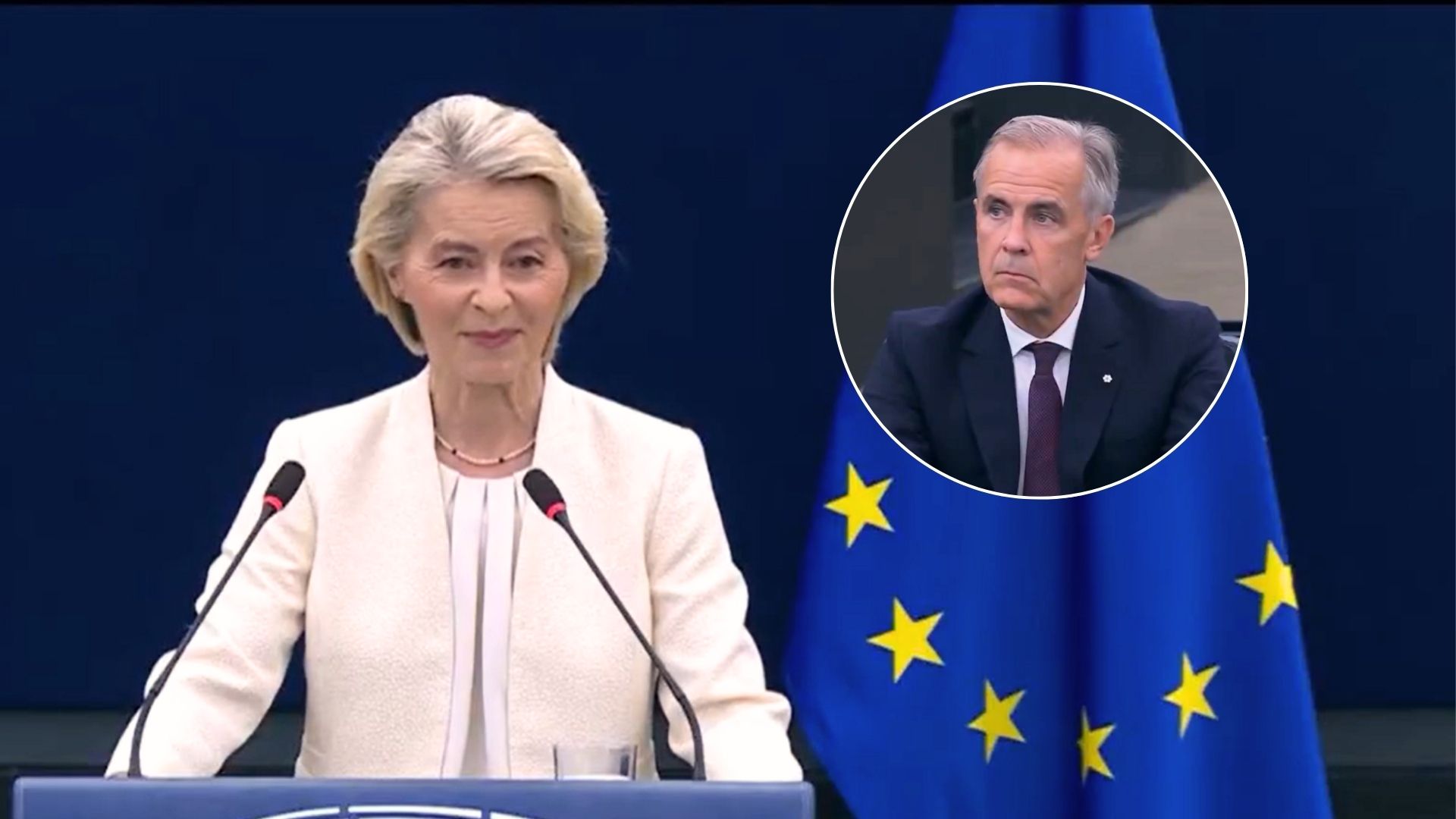
Photo courtesy: NXT EU
Canada could become the European Union’s first “associate member” under a new proposal aimed at bringing Ottawa and the 27-nation bloc into a significantly deeper economic and strategic partnership.
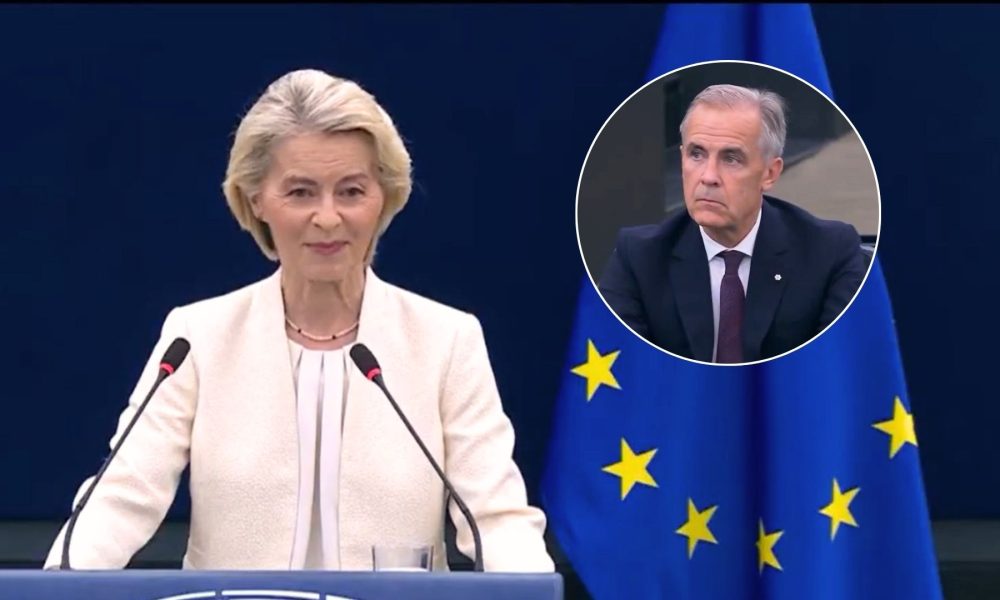
European Commission President Ursula von der Leyen publicly raised the unprecedented status on Wednesday, September 16, during her State of the European Union address in Strasbourg, which Canadian Prime Minister Mark Carney attended.
Von der Leyen said she wants Canada-EU relations elevated to the “highest level possible” and proposed working with Carney to open the door for Canada to become the EU’s first associate member.
The proposed arrangement would go beyond the existing Canada-European Union Comprehensive Economic and Trade Agreement, or CETA.
Von der Leyen outlined plans for what she called an “Alliance for the Future,” covering areas including advanced manufacturing, technology, artificial intelligence, defence industries, energy, critical minerals, batteries, cybersecurity and economic security.
Carney welcomed the proposal for a stronger alliance during his meeting with von der Leyen. The Canadian government said both sides intend to develop a unique approach built around their shared interests and complementary strengths.
Canada and the EU have already been expanding cooperation beyond traditional trade. In February, Canada became the first non-European country to join the EU’s Security Action for Europe, or SAFE, defence initiative. The two sides also established a Security and Defence Partnership in 2025.
The latest push comes as Canada seeks to diversify its economic relationships amid heightened trade tensions with the United States.
Carney suspended Canada-U.S. trade negotiations on August 21 after saying last-minute changes to Washington’s proposed terms were unfair and did not meet Canadian objectives. The U.S. subsequently moved forward with new tariffs, while Canada announced retaliatory measures.
Carney has stressed, however, that closer ties with other partners do not mean ending Canada’s relationship with the United States. He has said Ottawa remains prepared to engage with Washington when conditions allow for an agreement that serves Canadian interests.
Von der Leyen similarly said the proposed EU-Canada partnership is “not against anyone else,” but is intended to strengthen both sides.
What “associate membership” would actually entail remains unresolved.
There is currently no established EU status matching the arrangement von der Leyen proposed for Canada, and details such as the legal framework, market access, rights and obligations have yet to be defined. Canadian and European officials have described it as a unique approach that the two sides will develop together.
Further discussions are expected as Canada and the EU continue work toward a broader strategic and economic alliance.