

Listen to this article
Estimated 2 minutes
The audio version of this article is generated by AI-based technology. Mispronunciations can occur. We are working with our partners to continually review and improve the results.
A black bear rehabilitation centre in Cape Breton is still in the works, although it faces delays while it works with the provincial government on plans for the facility.
Hope for Wildlife, a wildlife rehabilitation non-profit located near Dartmouth, hoped the centre would be up and running by the spring of this year. It would be Nova Scotia’s first bear rehabilitation centre and would serve orphaned black bear cubs before returning them to the wild.
But between site planning, receiving the green light by different government agencies and building the infrastructure, the timeline for opening the centre has been pushed back.
“I’d love to be able to break ground this fall,” said Hope Swinimer, the founder of the group.
“I just don’t know how long the winter will hold off and how quick we can get permissions from all the different governing bodies.”
She added that, because the location of the centre is so remote, a road would have to be built to access it and electricity would have to be brought to the area.
In a statement to CBC News, a spokesperson for the Department of Natural Resources said they received an application to build a bear rehabilitation facility from Hope for Wildlife in April 2026.
“We have been working with them to ensure the application meets all requirements necessary. Once an updated proposal is received, we will communicate next steps with the applicant,” said the department.
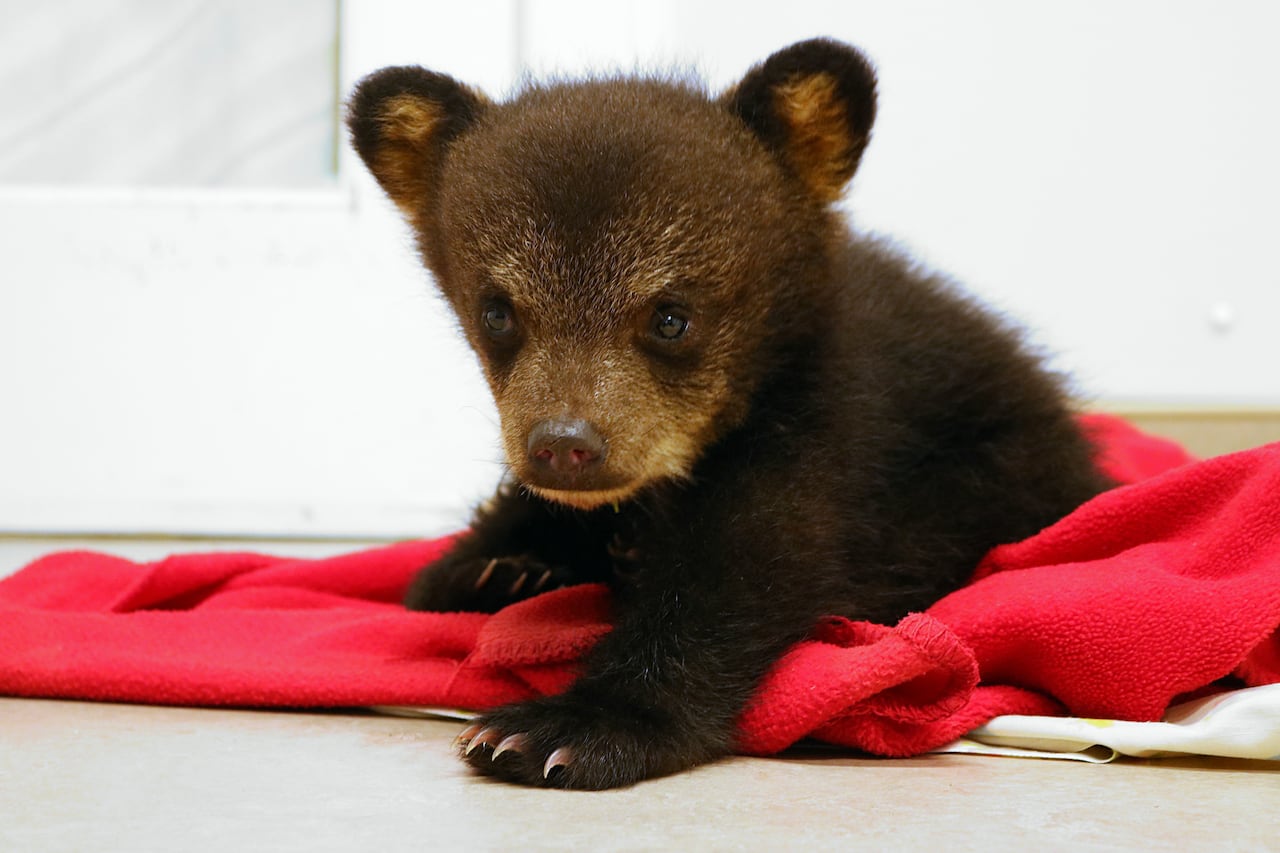 Swinimer said the black bear cub facility has been a dream of hers for 20 years. (Hope for Wildlife)A dream 20 years in the making
Swinimer said she has been working with bear cubs for a long time, and that having a dedicated space for them has always been her goal.
“It’s been a dream for 20 years and I’m so very excited that … it’s very close to happening,” she said.
The non-profit started a GoFundMe in December 2025 to help realize that goal and has raised over $500,000.
Swinimer said the undisclosed remote location in Cape Breton was chosen because it would give bears the least human interaction possible.
Cubs can become habituated or even imprint on humans which Swinimer says puts the animals at risk and hurts their chances of successfully re-integrating in the wild.
MORE TOP STORIES