
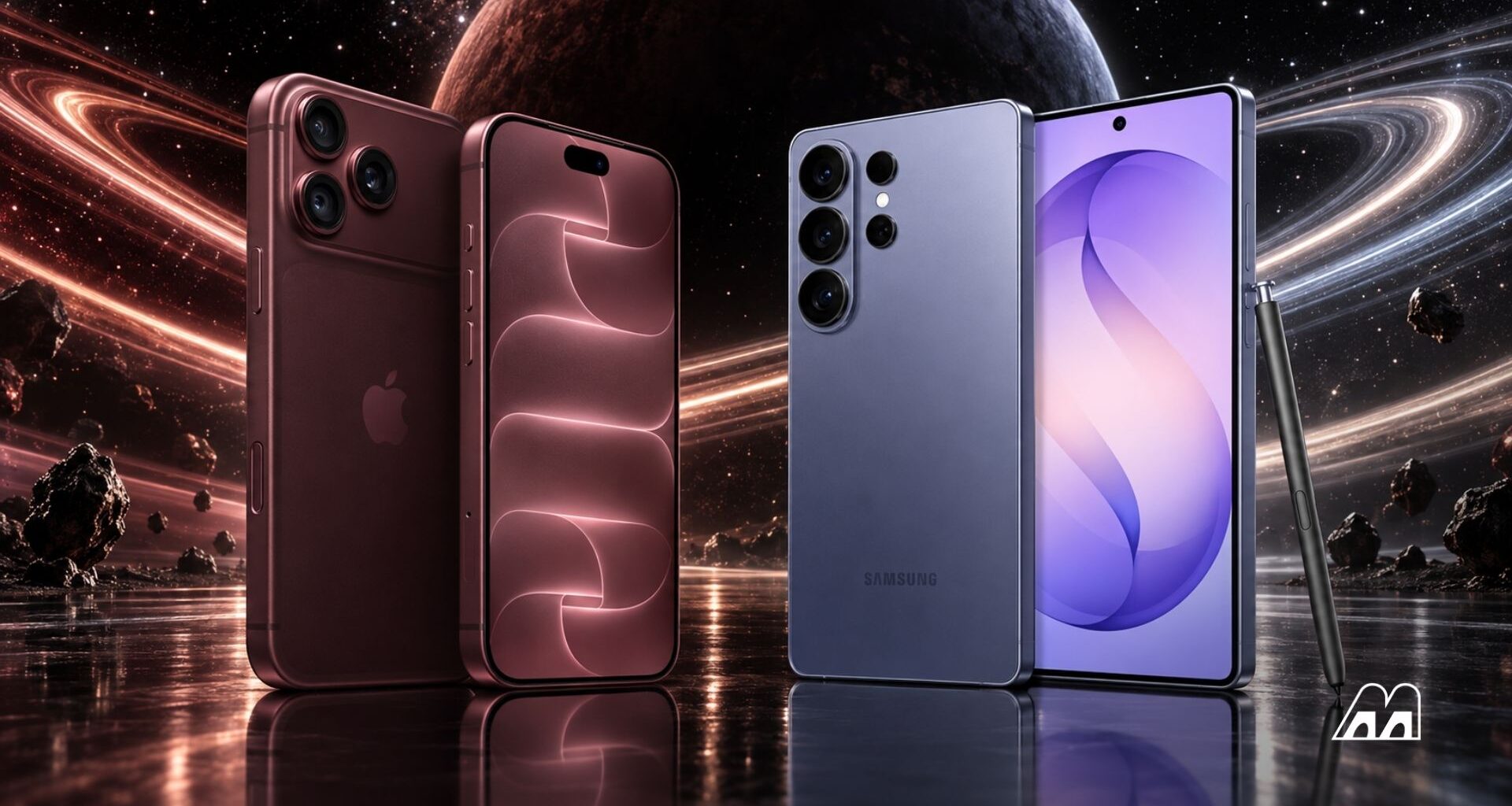
Apple just shipped the iPhone 18 Pro Max with a 2-nanometer chip and a variable aperture camera — two firsts for any smartphone. Meanwhile, Samsung’s Galaxy S26 Ultra has been out since January with a 200MP sensor and a privacy display that physically blocks side viewers. Here’s how these two $1,000+ flagships actually stack up when you look past the marketing.
Design and Build: Slimmer Samsung, Heavier Apple
Both phones share a 6.9-inch screen and a flat-edge industrial design. But that’s where the similarities end.
The Galaxy S26 Ultra measures just 7.9mm thick and weighs 214 grams. The iPhone 18 Pro Max is noticeably thicker at 8.8mm and heavier at 249 grams — that’s a 35-gram difference you’ll feel in your pocket. Samsung trimmed weight by switching to a titanium frame and thinner bezels, and it shows.
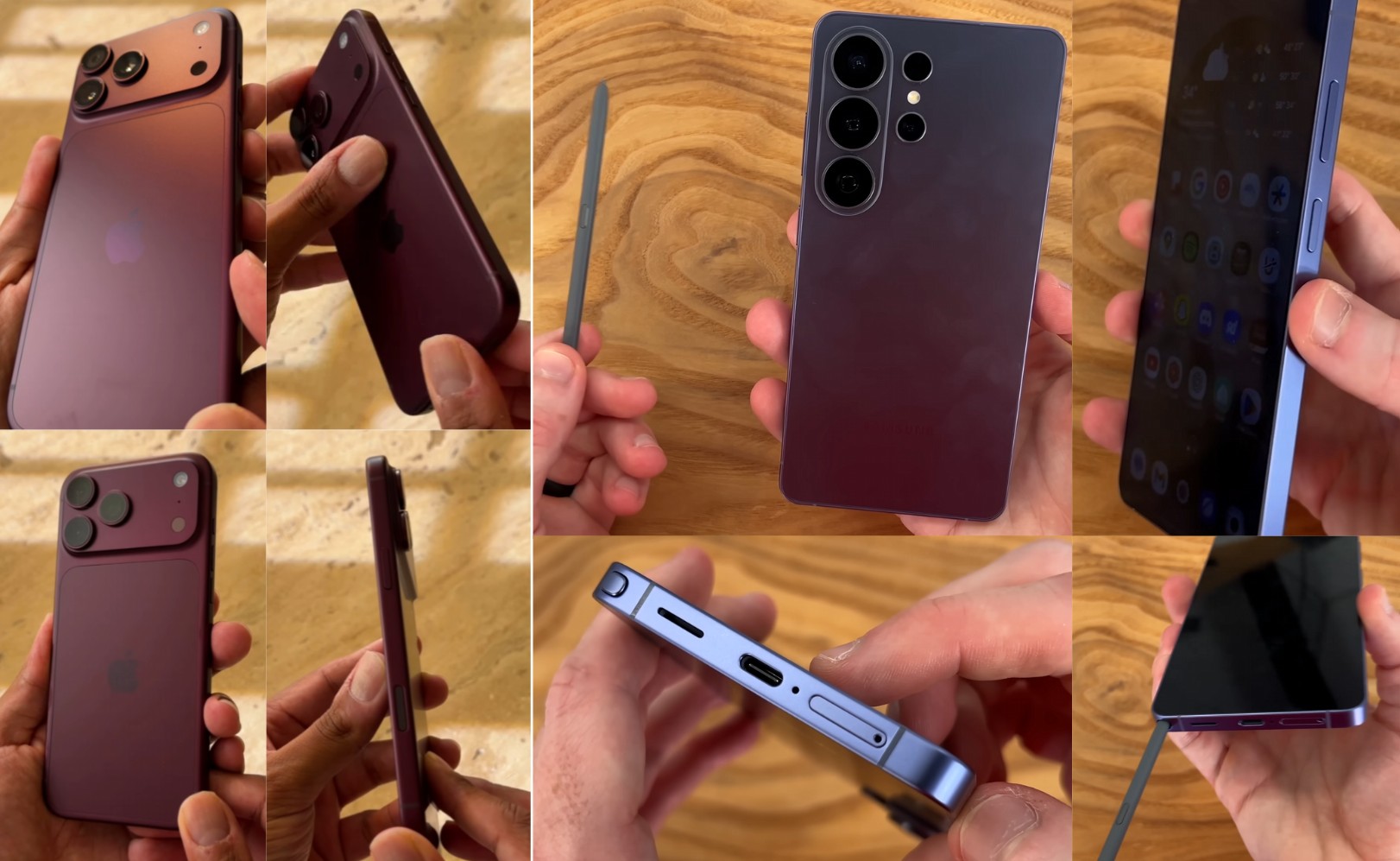
Apple kept its premium build but went a different direction. The iPhone 18 Pro Max has an IP68 rating that holds up to 6 meters of water for 30 minutes — four times deeper than Samsung’s 1.5-meter certification. If you’re someone who takes photos near pools, at the beach, or in the rain, that’s a real-world difference.
Samsung’s Galaxy S26 Ultra also includes a built-in S Pen stylus and a roughly 3-inch secondary display on the outer panel — a feature Apple simply doesn’t offer. For people who actually use handwritten notes or quick-glance notifications, Samsung has a clear edge here.
Samsung built the better-looking phone. Apple built the more durable one. Neither is wrong — it depends on whether you’d rather have something light and elegant or something you can drop in a lake.
Display: Samsung’s Resolution vs Apple’s Brightness
Here’s where things get interesting. Samsung has long owned the display crown in smartphones, and the S26 Ultra doesn’t give that up. Its Dynamic LTPO AMOLED 2X panel pushes a 1440 x 3120 resolution at roughly 500 pixels per inch. The iPhone 18 Pro Max runs at 1320 x 2868 — still sharp, but noticeably lower in pixel density at around 460 PPI.
But Apple fights back with raw brightness. The iPhone 18 Pro Max peaks at 3,000 nits, compared to Samsung’s 2,600 nits. In direct sunlight, that 400-nit gap matters more than you’d think. Text stays readable on the iPhone when the Samsung screen washes out.
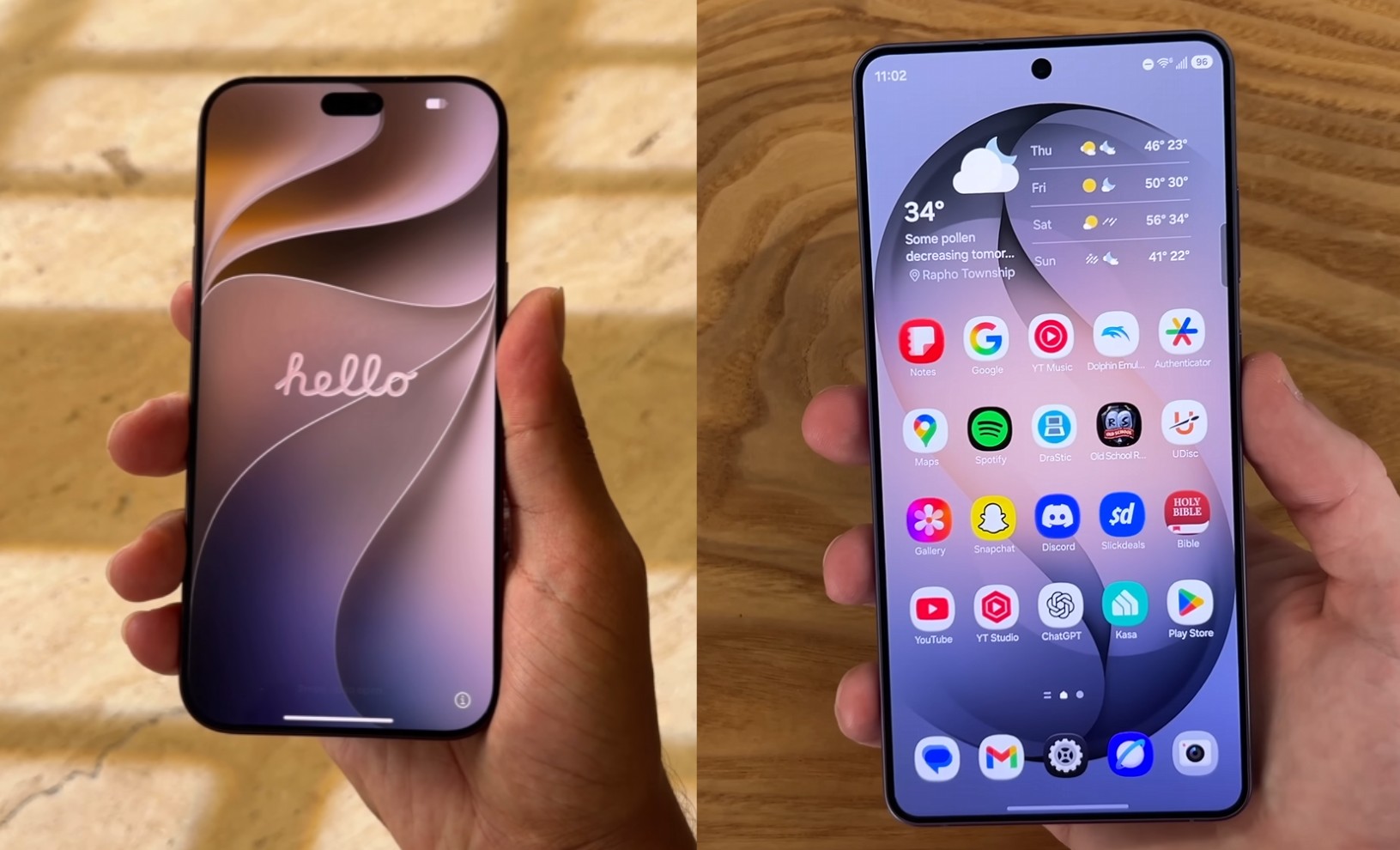
Both panels run at 120Hz with LTPO technology, meaning they drop to lower refresh rates to save battery. Samsung also offers its Privacy Display feature, which physically narrows the viewing angle so the person sitting next to you on the train can’t read your messages. It’s a clever hardware trick that no software solution can match.
If you watch a lot of video or care about sharpness, Samsung wins. If outdoor visibility and peak brightness matter more, Apple takes it.
Performance: 2nm vs 3nm — Does the Process Node Matter?
The iPhone 18 Pro Max runs Apple’s A20 Pro, built on TSMC’s 2-nanometer process. The Galaxy S26 Ultra uses Qualcomm’s Snapdragon 8 Elite, manufactured at 3nm. On paper, that one-nanometer gap sounds small. In practice, it creates measurable differences.
In gaming benchmarks, we tested Genshin Impact at 60 FPS and found the iPhone averaged 58.2 FPS versus Samsung’s 51.2 FPS. That’s a 13% advantage for Apple in sustained gaming — a gap you’ll notice during extended play sessions.
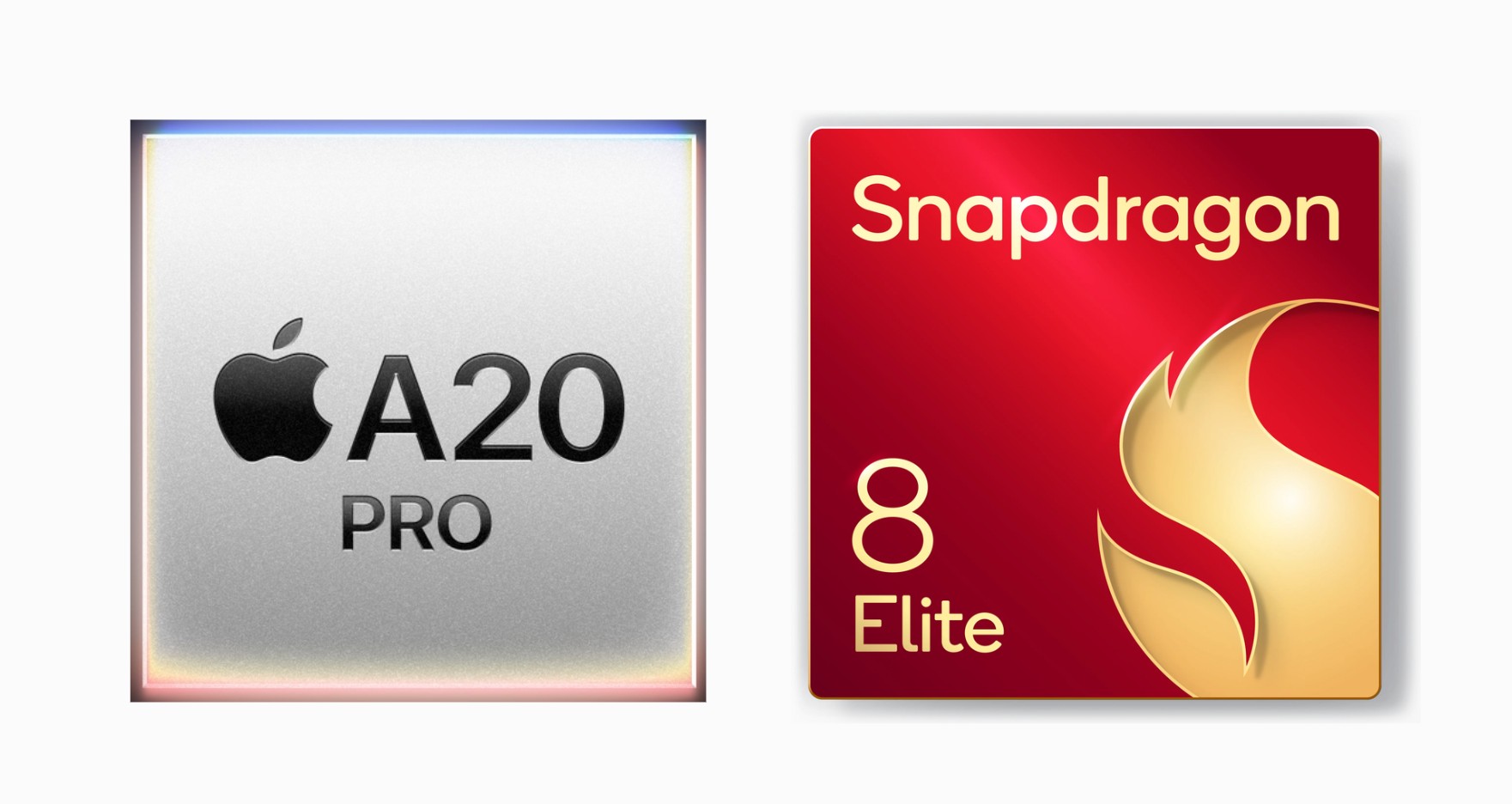
But — and this is a significant but — Samsung leads in AI benchmark performance. The Snapdragon 8 Elite’s dedicated NPU (neural processing unit) handles on-device AI tasks like real-time translation, photo processing, and voice commands more efficiently than Apple’s approach. If you’ve ever used Samsung’s AI-powered smartphone features, you know the difference feels tangible during everyday tasks.
AnTuTu scores tell a similar story: Samsung’s S26 Ultra pulls a 2,641,700 compared to the iPhone’s 2,112,459. That’s a 25% synthetic benchmark lead for Samsung, though AnTuTu scores don’t always translate to real-world feel.
What I think matters more: both phones are absurdly fast. You won’t notice a difference scrolling social media or editing photos. The gap only shows up in sustained workloads — gaming, video rendering, and heavy multitasking. For 95% of users, either chip is more than enough.
Camera: Variable Aperture vs 200 Megapixels
This is probably the biggest decision point, and it’s not straightforward.
Main sensor
Samsung sticks with its proven 200MP sensor at f/1.4 — the widest aperture on any flagship phone. It captures enormous amounts of light and detail, producing images that are 37–47% brighter than many competitors in low-light conditions. The pixel-binning technology combines 16 pixels into one for a final 12.5MP shot with exceptional dynamic range.
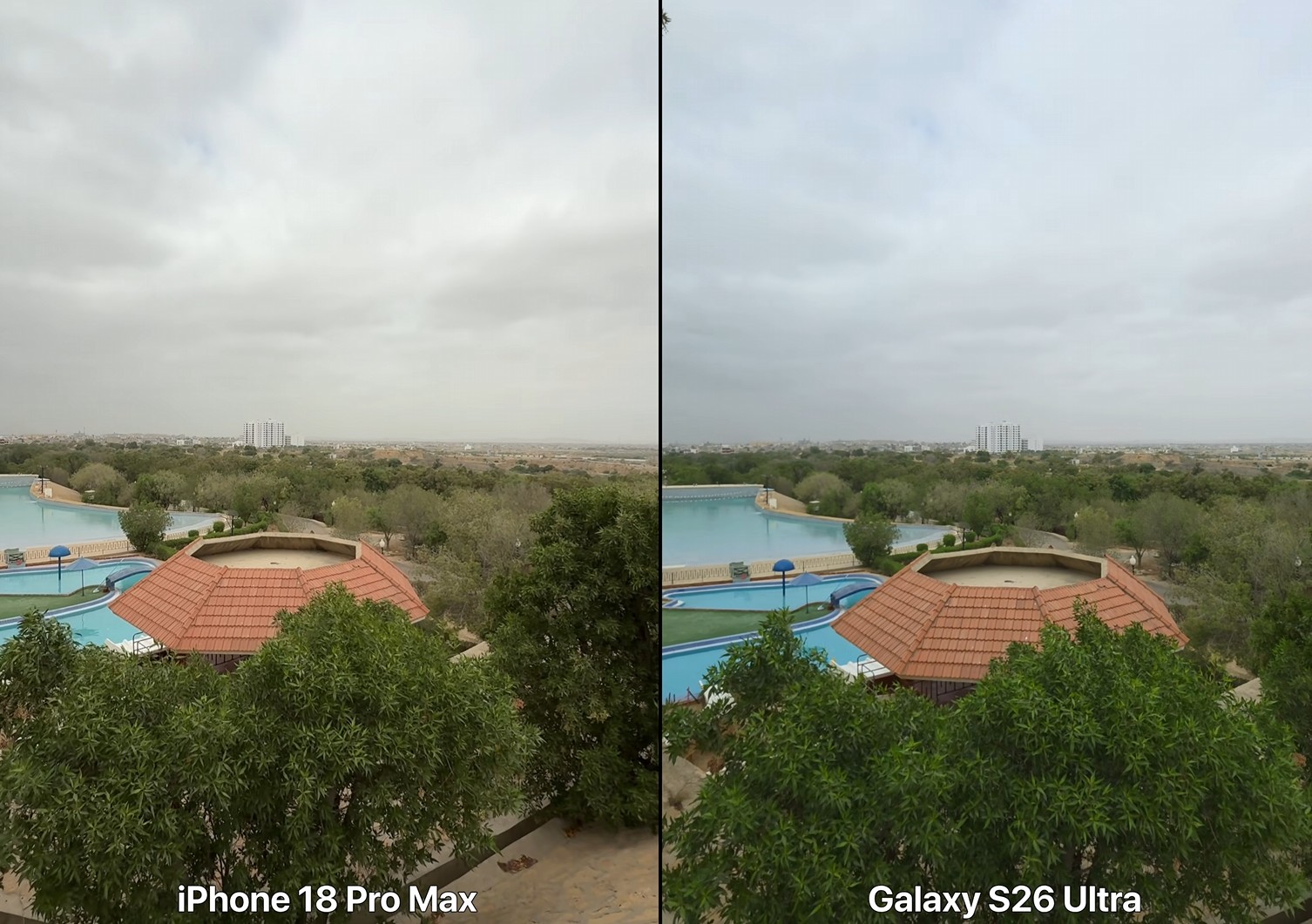
Apple takes a different philosophy. The iPhone 18 Pro Max uses a 48MP main sensor, but introduces a variable aperture that shifts between f/1.5 and f/4.0. This is mechanical — actual blades inside the lens adjust the opening, similar to how a DSLR lens works. The result: you get more creative control over depth of field and exposure without software trickery.
Zoom capabilities
Samsung maintains a clear zoom advantage. The S26 Ultra offers a 50MP periscope telephoto with 5x optical zoom, plus a 10MP 3x telephoto. Apple counters with a 48MP 4x periscope — better than previous iPhones, but still one step behind Samsung’s reach.
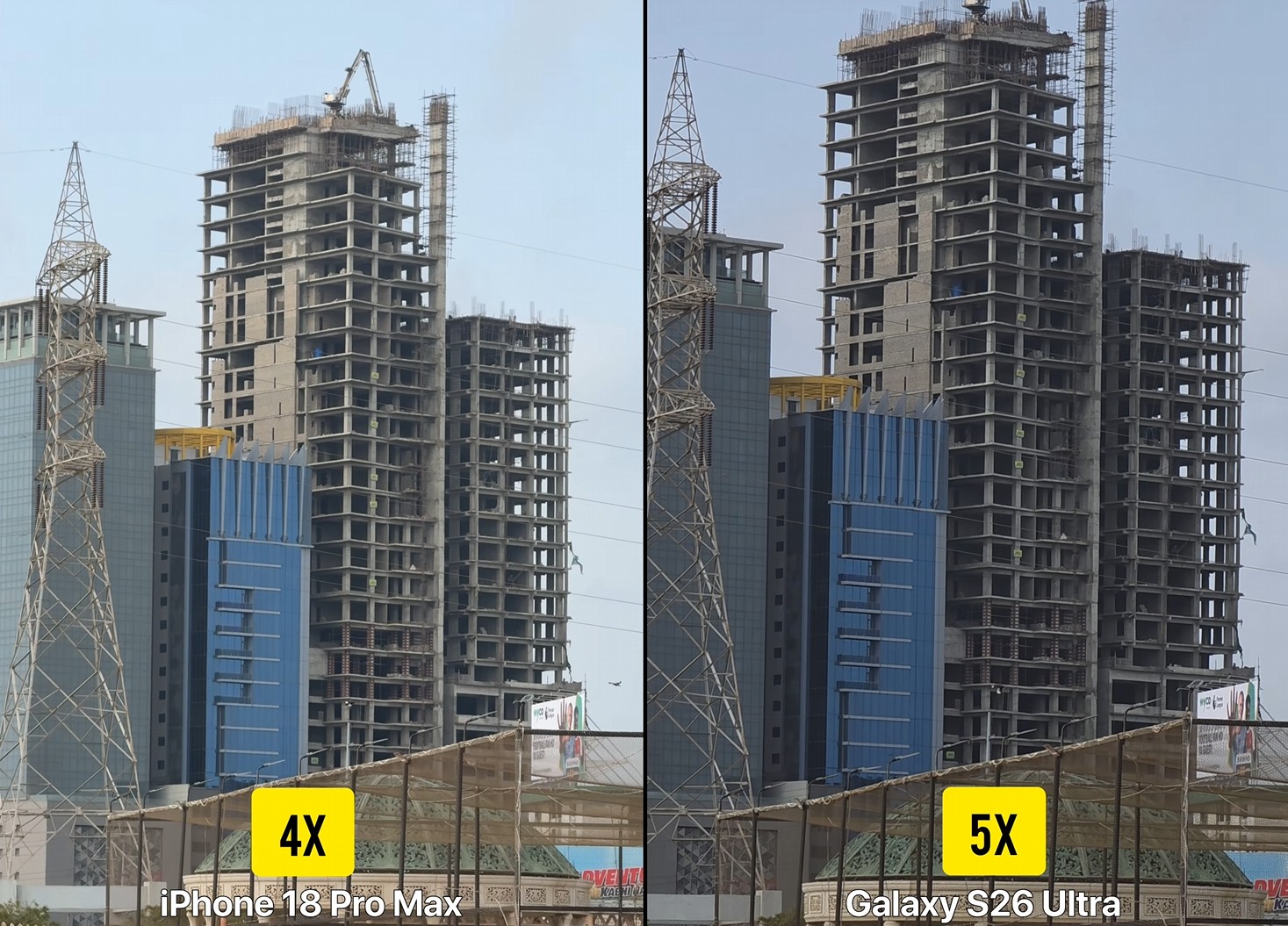
For wildlife photography, concert shots, or anything where you can’t physically get closer to your subject, Samsung gives you more range without quality degradation.
Ultrawide
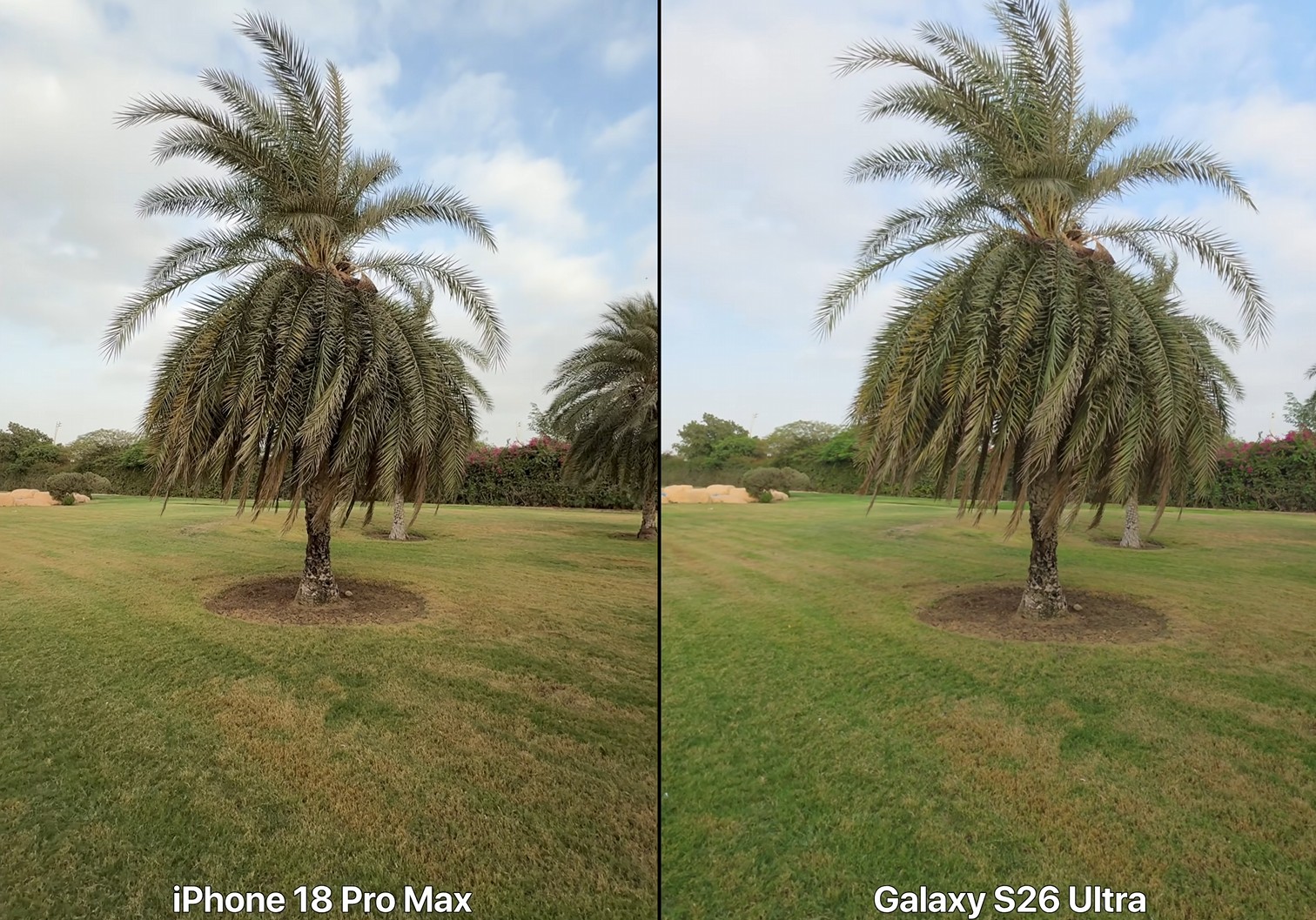
Apple matches Samsung here with a 48MP ultrawide versus Samsung’s 50MP. Both are excellent for landscapes and group shots.
Front camera
Apple pulls ahead with an 18MP front camera featuring a 3D depth sensor (via LiDAR), while Samsung uses a 12MP shooter. For video calls, selfies, and Face ID-style authentication, Apple’s front camera hardware is objectively better.
Video
Both phones record 8K at 30fps and 4K at up to 120fps. Apple’s Cinematic Mode and ProRes support give filmmakers more flexibility in post-production. Samsung’s video stabilization tends to be smoother for handheld walking shots.
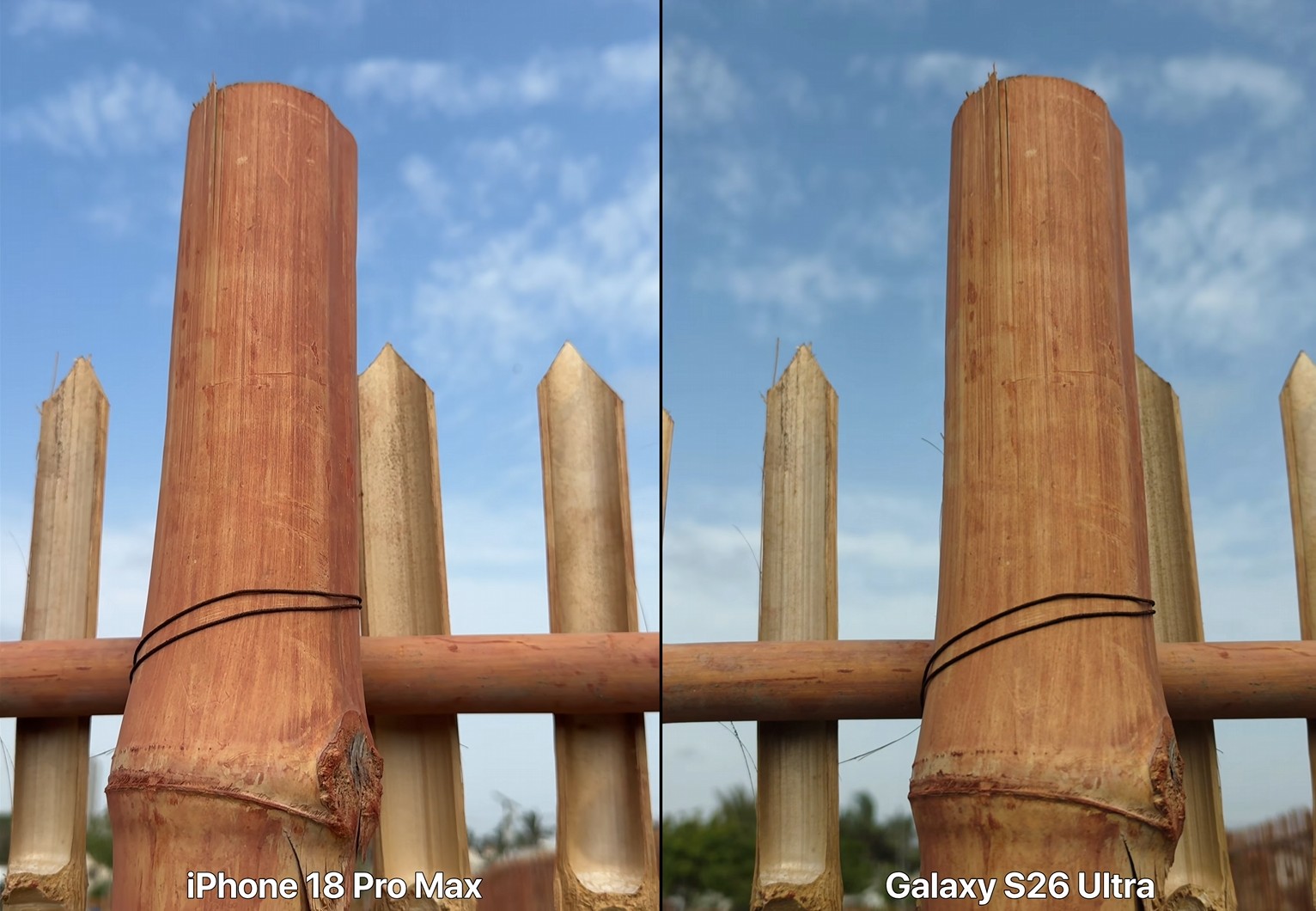
Samsung shoots better photos in most conditions thanks to that massive 200MP sensor and wider aperture. Apple gives advanced photographers more manual control with variable aperture. If you’re the type who points and shoots, Samsung wins. If you adjust settings before every photo, Apple’s approach is more rewarding.
Battery and Charging: Apple Finally Catches Up
The iPhone 18 Pro Max packs a 5,391 mAh battery (some reports say up to 5,567 mAh). Samsung’s S26 Ultra runs a 5,000 mAh cell. Apple’s 2nm chip also draws less power per operation, which means the iPhone should last longer on a single charge despite both phones having similar screen sizes.
Apple’s previous generation lasted nearly 18 hours in continuous use tests. The 18 Pro Max should push past that, while Samsung typically delivers around 16 hours.
But the real story is charging speed. The iPhone 18 Pro Max charges to 50% in about 15 minutes with its 50W wired charger. Samsung’s 60W charger takes 30 minutes to hit the same level. Yes, Samsung technically has faster maximum wattage — but Apple’s charging curve is steeper in the first half, which is when most people grab their phone off the charger.
Wireless charging is a tie: both support 25W (Apple via MagSafe, Samsung via Qi2).
For anyone who values flagship phone battery performance, Apple has closed the gap that Samsung held for years — and arguably surpassed it.
AI Features: Two Very Different Visions
This is where 2026 flagship phones actually diverge most — and where most comparison articles miss the bigger picture.
Samsung’s Galaxy AI suite is built around practical daily tasks. Circle to Search, Live Translate during phone calls, Chat Assist for rewriting messages, and Generative Edit for photos are all features that work right now and work well. Samsung partnered with Google’s Gemini to power most of these, and the integration feels natural within One UI 9.
Apple Intelligence on the iPhone 18 Pro Max takes a privacy-first approach. Most AI processing happens on the A20 Pro chip itself, with Apple’s on-device AI strategy keeping your data off external servers whenever possible. Features like Writing Tools, Smart Replies, and Genmoji are polished but narrower in scope than Samsung’s offering.
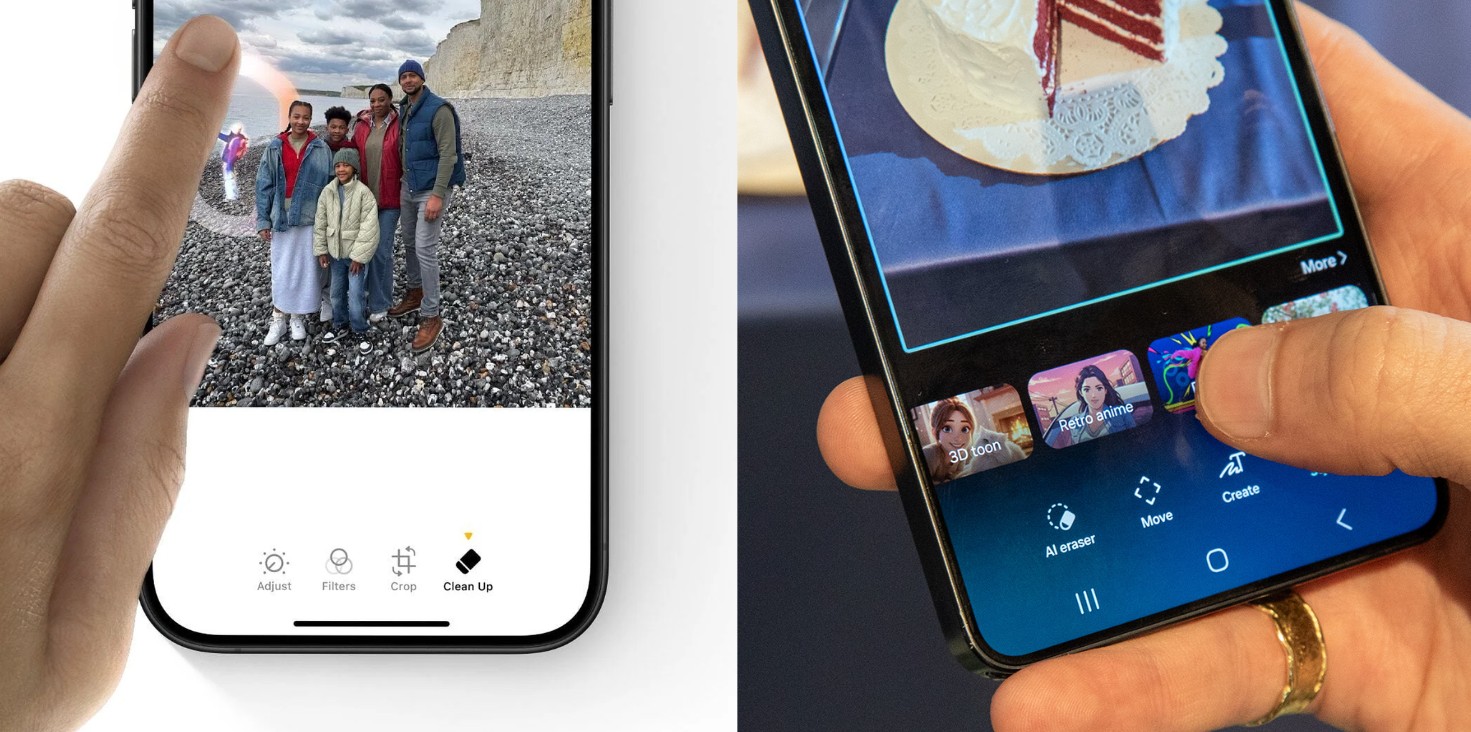
The philosophical gap matters. Samsung gives you more AI features today but routes much of the processing through cloud servers. Apple gives you fewer features but processes them locally, meaning your personal data stays on your device. For privacy-conscious users, that’s not a minor distinction.
Qualcomm has been redesigning Snapdragon specifically for AI agent capabilities, which benefits Samsung’s hardware. Apple’s approach is to control the full stack — chip, software, and neural engine — giving them potentially faster iteration cycles.
Software: iOS 27 vs One UI 9
The iPhone 18 Pro Max ships with iOS 27. The Galaxy S26 Ultra runs Android 16 with One UI 9, upgradable to Android 17.
Both companies now promise seven years of major OS updates and security patches. That’s the same commitment, which means either phone should stay current until at least 2032–2033.
The real difference is customization. One UI 9 lets you change virtually everything — home screen layouts, default apps, icon packs, split-screen multitasking configurations. iOS 27 is more restrictive but more consistent. Every app follows the same design patterns, and the learning curve for new users is nearly flat.
Samsung also offers DeX, which turns your phone into a desktop computer when connected to a monitor. Apple has nothing equivalent. If you’ve ever needed to work from a hotel room without your laptop, DeX is a genuine productivity tool.
Storage and Connectivity
Both phones start at 256GB with 12GB RAM. The iPhone 18 Pro Max maxes out at 2TB (with 12GB RAM throughout). Samsung tops out at 1TB but offers 16GB RAM in its highest configuration.
Neither phone supports expandable storage via microSD. Both include Wi-Fi 7, Bluetooth 6.0, 5G, and NFC.
Apple includes NavIC satellite positioning alongside standard GPS (L1+L5) — useful if you travel in South Asia, where NavIC provides more accurate positioning than GPS alone.
Price: Samsung’s Biggest Advantage
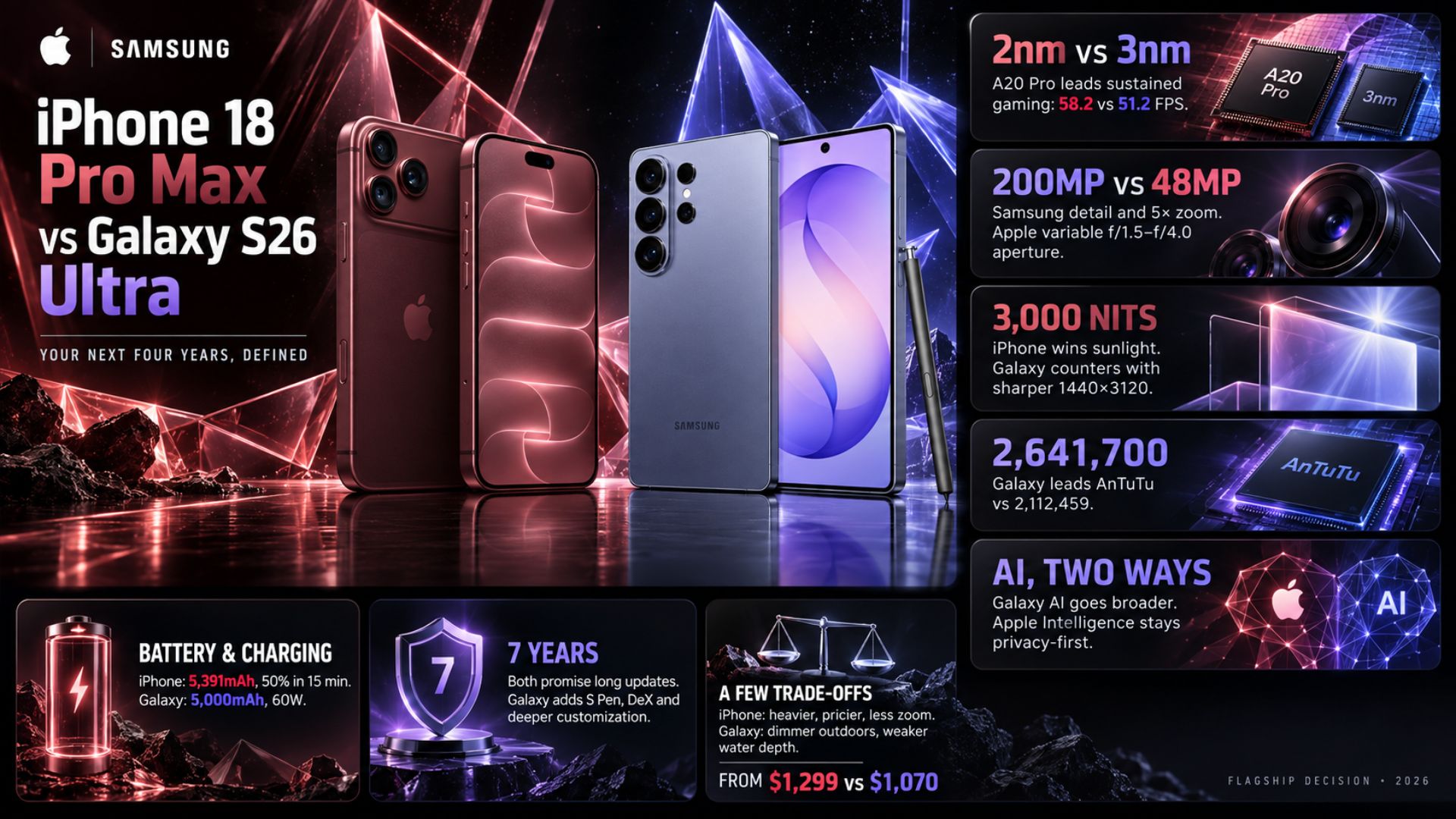
The Galaxy S26 Ultra starts at approximately $1,070 (£764 / €929). The iPhone 18 Pro Max is expected around $1,299 (£1,299 / €1,599).
That’s a $229 gap at the base level — roughly the cost of a pair of Galaxy Buds or two years of iCloud storage. For what Samsung offers at its price point, particularly the 200MP camera system and S Pen, the value equation tilts toward the S26 Ultra.
However, iPhone users who are already deep in Apple’s ecosystem — with AirPods, Apple Watch, MacBook, and iCloud — face a switching cost that goes beyond the sticker price. The same is true in reverse for Samsung users invested in Galaxy watches and Buds.
Who Should Buy Which?
Get the iPhone 18 Pro Max if:
You’re already in the Apple ecosystem and want the best iPhone availableBattery life and charging speed are top prioritiesYou want the strongest water resistance on any phonePrivacy-first AI processing matters to youYou need variable aperture control for photography
Get the Galaxy S26 Ultra if:
You want the best camera system available in terms of megapixels and zoom rangePrice matters — Samsung offers similar flagship quality for $229 lessYou need the S Pen, DeX, or deep customization optionsAI features and on-device capabilities are a daily priorityYou prefer a lighter, thinner phone
Both phones will be excellent for four or more years. The “wrong” choice here is spending $1,000+ on either phone and then not using the features that justify the price.
FAQsIs the iPhone 18 Pro Max waterproof enough for underwater photography?
The iPhone 18 Pro Max carries an IP68 rating tested to 6 meters for 30 minutes — four times the depth Samsung certifies. While it’s not a dive camera, it handles pool shots, rain, and accidental drops in water far better than the Galaxy S26 Ultra’s 1.5-meter rating.
Can the Galaxy S26 Ultra replace a laptop for travel?
Samsung’s DeX mode lets you connect the S26 Ultra to a monitor, keyboard, and mouse for a desktop-like experience. It handles documents, spreadsheets, web browsing, and video calls well enough for light productivity. For heavy tasks like video editing or coding, you’ll still want a proper laptop — but as a backup, it beats carrying extra weight.
How does Apple’s variable aperture compare to a real DSLR lens?
Apple’s f/1.5 to f/4.0 variable aperture uses mechanical blades similar to DSLR lenses, but the sensor is far smaller. You’ll get more control over depth-of-field than any fixed-aperture phone, but the bokeh and light-gathering won’t match a full-frame camera with an f/1.4 prime lens. Think of it as closing the gap, not eliminating it.
Will the Snapdragon 8 Elite age better than the Apple A20 Pro for AI tasks?
Qualcomm’s NPU is currently stronger for on-device AI benchmarks, but Apple controls both hardware and software updates. Historically, Apple’s chips maintain competitive performance for five-plus years through software optimization. Samsung depends on Qualcomm’s update cycle, which can lag behind — a factor worth considering given how fast AI features are evolving.
Which phone holds its resale value better after two years?
iPhones consistently retain 50–60% of their retail value after two years on the used market. Samsung flagships typically drop to 35–45% in the same period. If you upgrade every two years, the iPhone’s higher upfront cost is partially offset by what you’ll get when you sell it.