
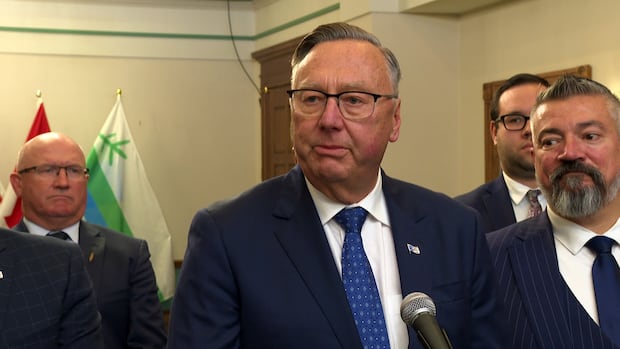
A four-day special sitting of the House of Assembly covered a lot of ground.
It involved political theatre, but also produced responses to some of the questions arising on provincial power and the plans for the Churchill River.
The agreement between Newfoundland and Labrador and Quebec covers new terms for the sale of power from the Churchill Falls hydroelectric plant, facility upgrades, a possible new dam and plant at Gull Island on the lower Churchill River, a planned transmission line to Western Labrador and exploration of a potential 2,000 megawatt-capacity wind farm.
The government of Newfoundland and Labrador says it all amounts to $49 billion in value in today’s dollars — an estimated $273 billion in nominal cash flows over the life of the agreement.
There’s also jobs, roughly 5,000 tied to the Gull Island build alone.
Some of the basics of the agreement were known already, some are contested, but here’s food for thought.
Why is there a new power deal?
A 2024 memorandum of understanding (MOU) on Churchill River power was agreed to before a provincial election in this province in late 2025.
It wasn’t a contract. It stated terms and principles for Churchill Falls power sales and new development, with language and detail still to hammer out — the basis for getting to a final deal.
The newly elected Progressive Conservative government, taking over from the Liberals, ordered a review of the MOU. The three-person review team reported back in the spring.
The PC government then brought in a new negotiating lead, Barry Perry, who’s the former CEO of Fortis Inc., the owner of Newfoundland Power. Perry was not involved in the earlier agreement and said, when he came on board, he used the review committee’s report, and worked out new marching orders with the government.
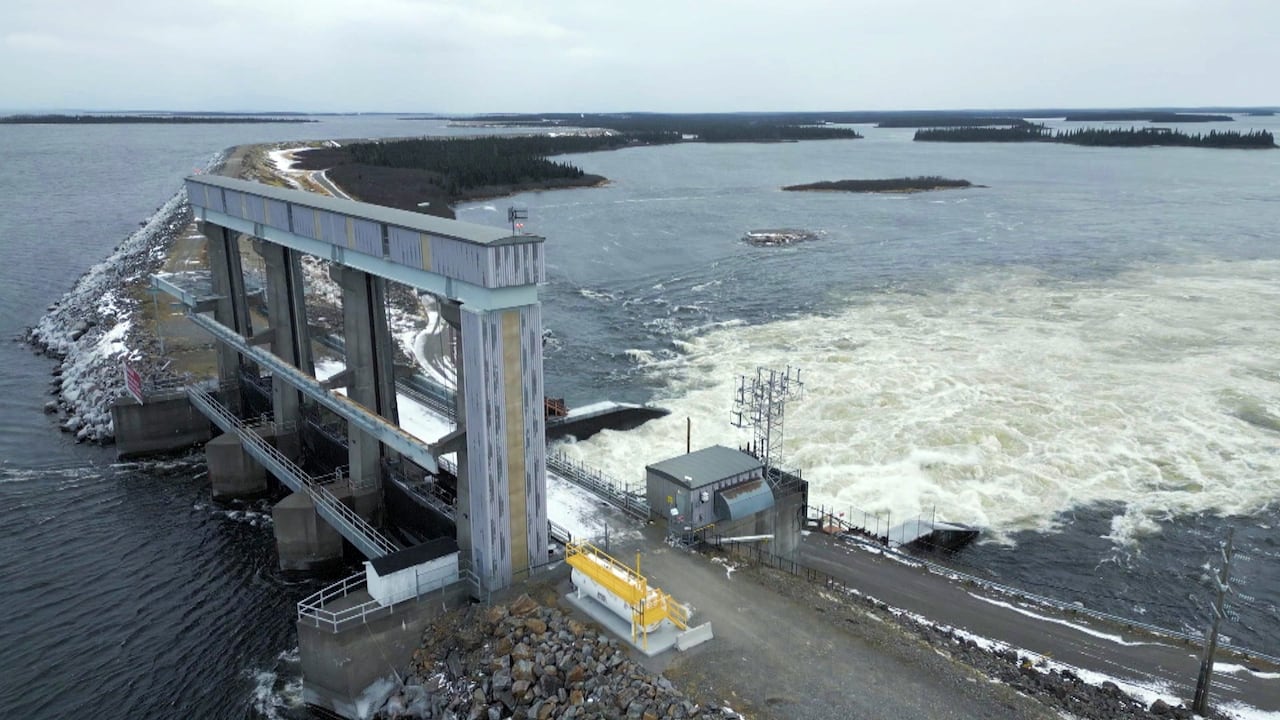 The province will move forward with its agreement to rework and expand on Churchill River hydroelectricity. (CBC)
Apart from the government’s interests, Perry told the House of Assembly there were things in the 2024 MOU he immediately wanted changed, including the payment plan for the proposed Gull Island hydro dam.
Newfoundland and Labrador Hydro president and CEO Jennifer Williams, also on the negotiating team, agreed.
The old MOU expired, but wasn’t abandoned altogether, even with the issues raised. As heard this week, negotiators and their advisors felt they were all building on what was already there, getting to a new and more detailed agreement.
An expert consultant with Power Advisory LLC called the 2024 MOU “foundational.”
Why a 50-year deal? (It’s actually 51)
An essential element to the new agreement is a change to the existing Churchill Falls power sales contract. One of the hallmarks of the contract is its length.
The 1969 contract had an initial term of 40 years, then an automatic renewal, with an even cheaper price for Hydro-Québec for another 25 years. That’s 65 years in total. It is still in effect.
The explanation for why new agreements are being considered now, for a still-lengthy 51 years, is for exactly that reason: Hydro-Québec is giving up the remaining time on that earlier deal, and paying higher prices now.
They’re looking for something in return. Perry said it’s the reason for the long deal with no off ramps. The new power sales contract — if the deal closes — is currently set to run from Jan. 1, 2027 to Dec. 31, 2077.
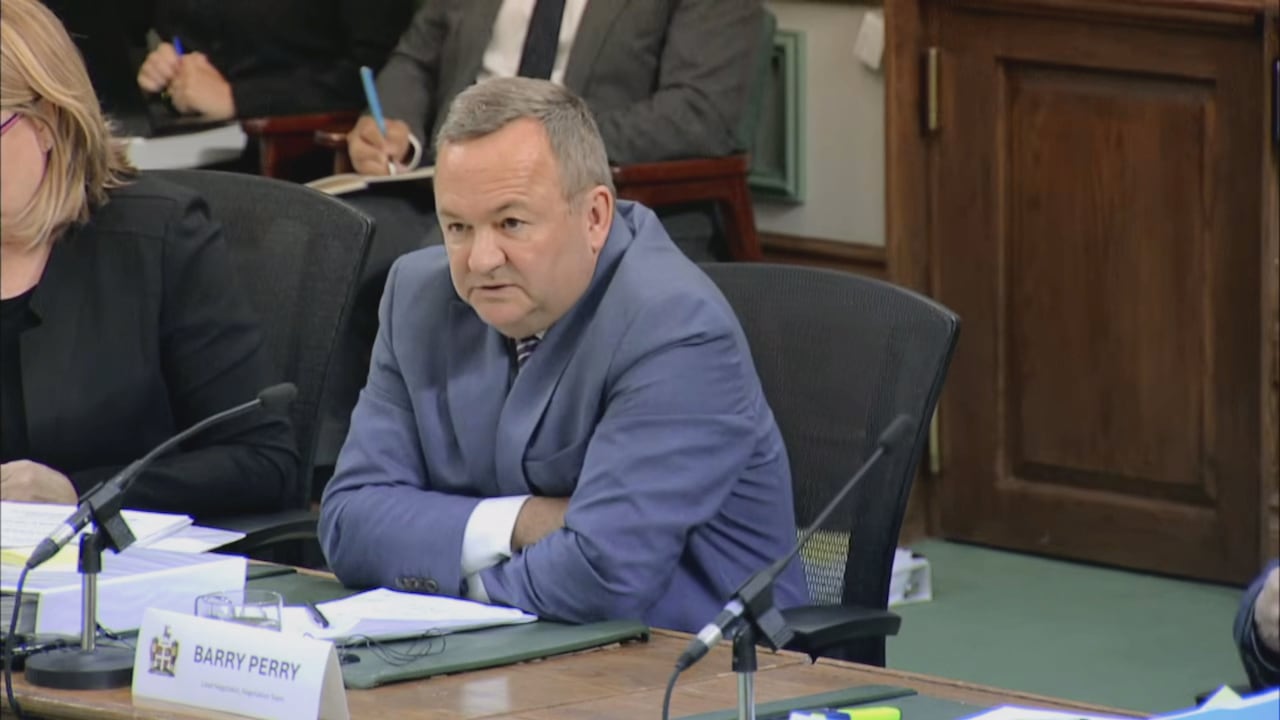 Barry Perry, former president and CEO of Fortis, served as the province’s lead negotiator. (CBC)
At the same time, Perry said, Newfoundland and Labrador will see new revenue from the plant earlier and more power for use in the province.
If it helps, he said, you can think of it as the new contract will run to 36 years beyond 2041. He did not make the same reference for new electricity from Gull Island, given that plant still needs to be built before the sales contract there begins.
What are we doing for power needs in Labrador West?
The vast majority of value in the new power deal for the province will be in money from the sale of power from Churchill Falls. However, the agreement on the table now includes other elements, including support for a large power distribution line from the Churchill River to Labrador West, where mines and communities are hungry for more electricity.
It’s where the federal government comes into the picture, committing $1 billion in support for the line. The line is scheduled to be in service in 2032, roughly matching up with the availability of more power for Newfoundland and Labrador from Churchill Falls.
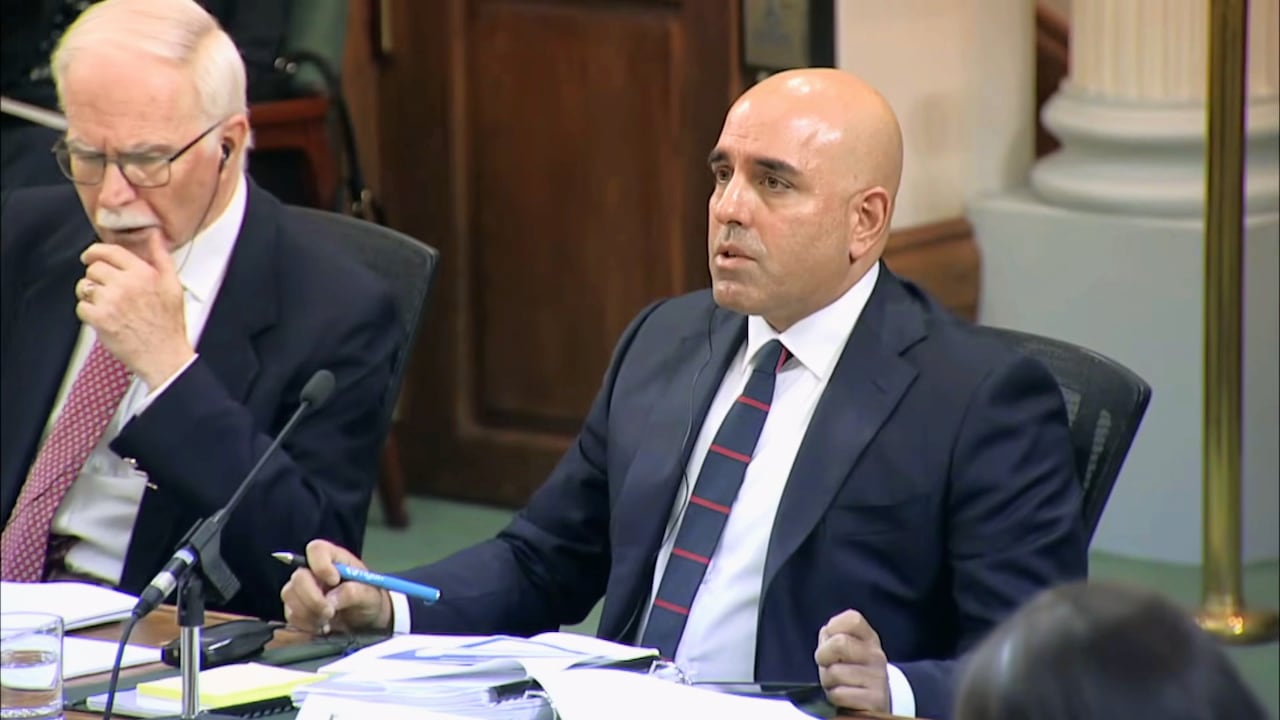 Newfoundland and Labrador Hydro vice president, chief legal officer and corporate secretary Michael Ladha responds to questions in the House of Assembly. (CBC)
N.L. Hydro vice-president Michael Ladha told the House of Assembly the two were intentionally being thought of together — the line and the new power available.
Williams said there are already four, industrial-scale power users looking for power over the line, and it’s important to sort out who will cover the cost of construction, beyond the federal contribution.
If not this deal, is there another?
A new sales agreement on Churchill River power will come. However, there was little mention of alternative options on a broader deal involving new development, should the current agreement not move to contracts.
Perry said, in his opinion, he doesn’t know what the province might pursue if this plan on paper doesn’t move ahead. He said he can’t imagine any other agreement offering the same access to power and overall value to the province.
On the idea of Newfoundland and Labrador Hydro building new transmission lines through Quebec to reach other markets, he emphasized the cost and complexity, all but completely rejecting the idea.
“There are no other magic solutions,” he said, in the midst of comments on options for the transmission of power out of Labrador for direct sales to customers.
He said he also sees a deal with Hydro-Québec as a requirement for new power from the river.
“I think there is just one party in this country that can develop Gull [Island] and that is Hydro-Québec,” he told the House.
What is the Opposition concerned with?
In the House of Assembly, Liberal members challenged the government on several fronts.
For one, Liberal Leader John Hogan questioned the government’s work to date in engaging with Innu leadership, emphasizing the fact Innu Nation leadership are not on board with the new project agreement and had asked the House not to endorse it.
Among other issues raised, Liberal members openly and repeatedly questioned the province’s decision to change the planned approach on export power sales. In 2024, the Liberal MOU envisioned a means of getting some new power to markets beyond Quebec.
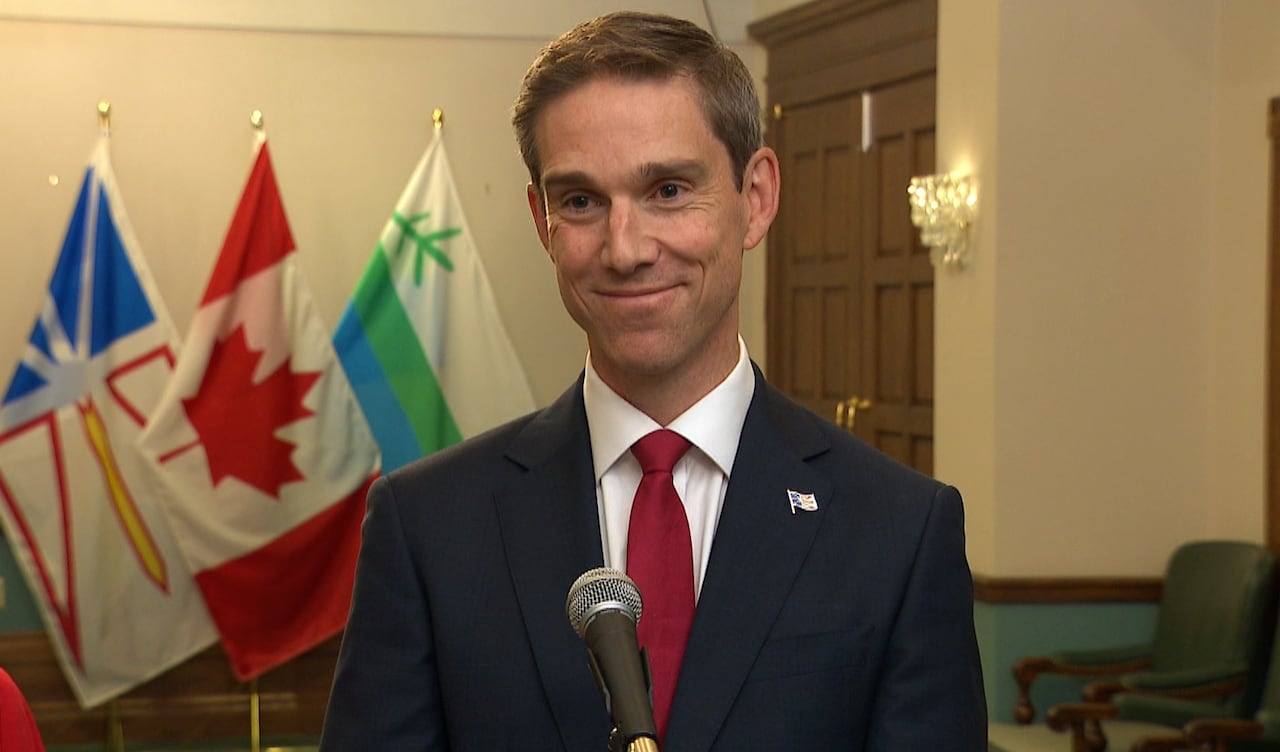 Liberal Leader John Hogan says he will not support an agreement without market-based pricing. (Danny Arsenault/CBC)
The new agreement instead will see power sold to Quebec, in return for payment expected to reflect the value of Quebec’s own negotiated contracts with outside buyers.
Perry and others said the earlier plan — given specific language wasn’t in the MOU — hit a wall during negotiations.
However, Hogan said he would not have let go of Newfoundland and Labrador establishing its path to more external sales.
Another issue was the lack of a mechanism in the contract for reassessment, for re-opening the deal if assumptions prove wrong. That concern was also expressed by New Democratic Party members.
What happens now?
The House of Assembly voted Thursday to endorse the new agreement on Churchill River power, with independent MHA Eddie Joyce voting with the government.
A vote against it would not have stopped or altered the power sales and development plans. The government would have to tap the brakes, if it was going to change anything.
Premier Tony Wakeham said the plan is to hear from the new Quebec government, after that province’s election on Oct. 5, and have negotiators hammer out final agreements. The stated goal is to have that done by the end of the year.
It can take longer. The provinces and their power companies have until March 31, 2027, to get to a final deal. Even that date, written in the current agreement, can be pushed for more time if agreed to on both sides of the border.
Download our free CBC News app to sign up for push alerts for CBC Newfoundland and Labrador. Sign up for our daily headlines newsletter here. Click here to visit our landing page.