
Between its “subservience” to the Tour de France and the impact of extreme weather, the Giro d’Italia faces challenges – which echo throughout the calendar.

Cor Vos
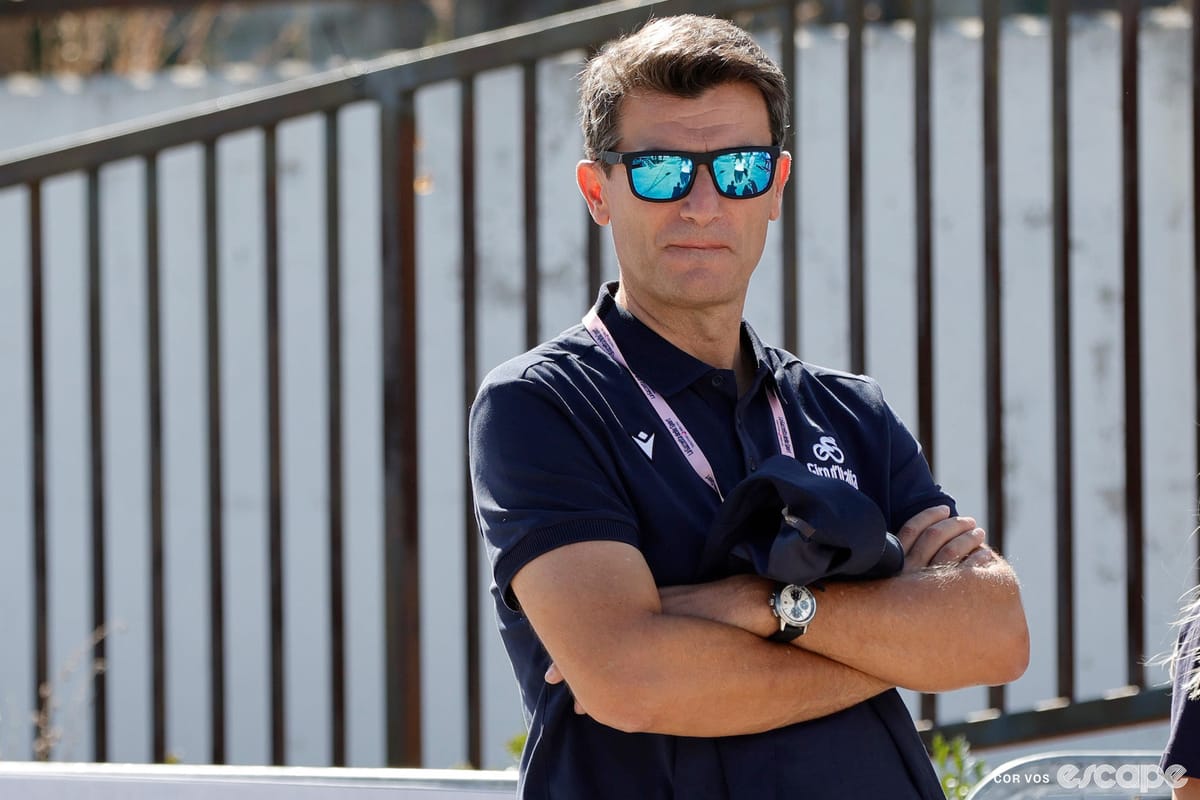
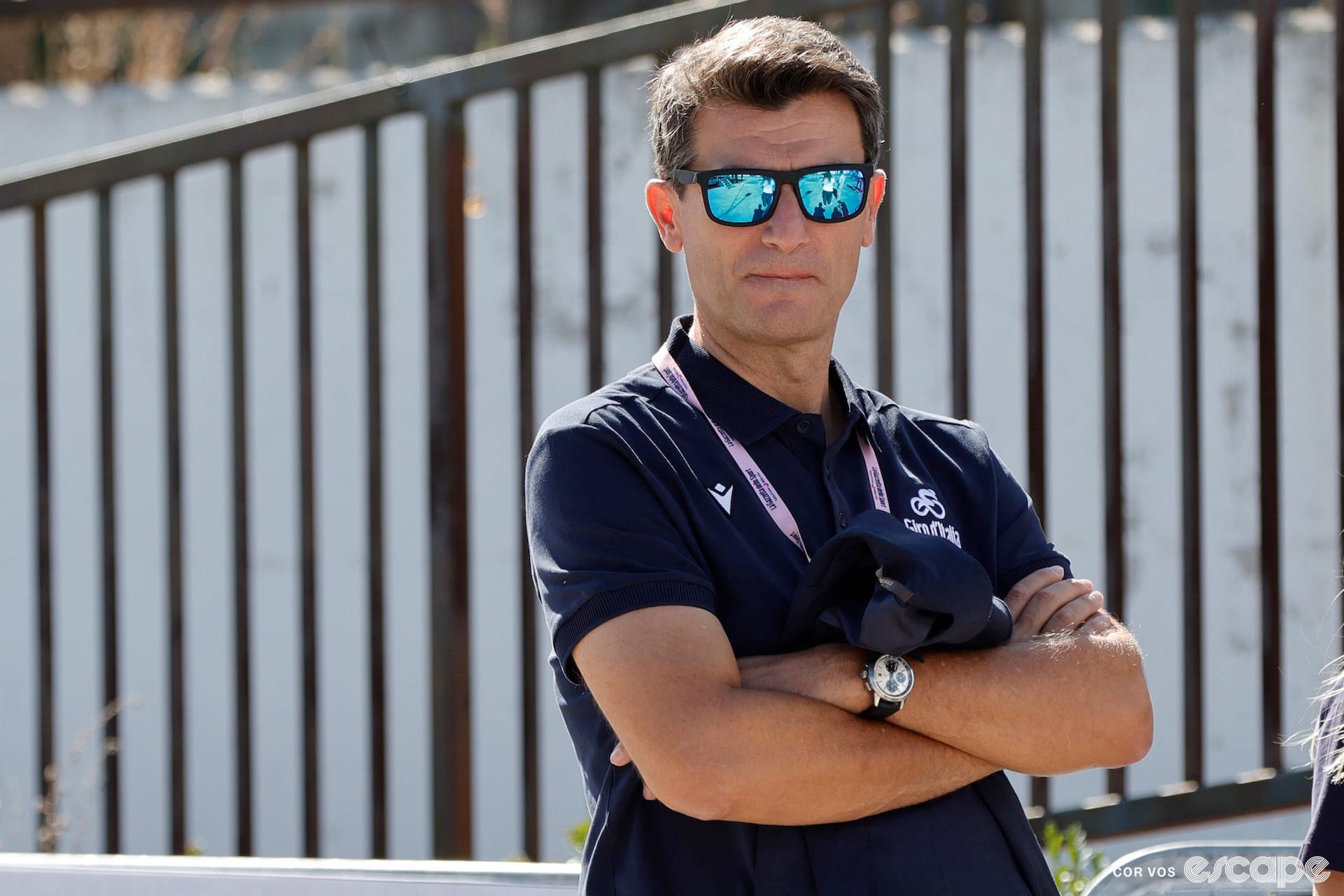
Until the end of July, Luca Guercilena was general manager at Lidl-Trek, a position he’d held since 2013 when the team was known as Radioshack-Leopard. Then just days after his tenure ended with a visit to the podium at the Tour de France – for Mads Pedersen’s green jersey and the team classification – the Italian started a prestigious new role as general director of RCS Sport’s cycling division, which means he now oversees a portfolio of races including the Giro d’Italia.
In his first few weeks in his new role, Guercilena has begun to make plans for a new era of the Giro, one of the biggest races on the calendar, and yet stuck in the shadow of the Tour de France. One of the changes Guercilena hopes to shepherd in is a shift in scheduling, which he hopes would help to elevate the status of the Italian Grand Tour.
“We are a major event that needs to break free from its subservience to the Tour and unveil a beautiful, well-structured route, one that offers certainty, well in advance,” Guercilena said in an interview with Corriere della Sera and the Gazzetta dello Sport in the first week of September. “A slot later in the calendar would allow us to capitalise on June 2nd [the Festa della Repubblica], just as the French do with July 14th [Bastille Day]; it would also let us tackle the high mountains with a greater guarantee of good weather and create more distance from the Belgian races, thereby attracting more riders.
“I’m thinking of balanced routes where every type of rider – climbers, sprinters, time trialists (a discipline I love) – can find their niche and not feel excluded from the start. We shouldn’t go chasing after the big names; we need to offer a race that attracts them.”
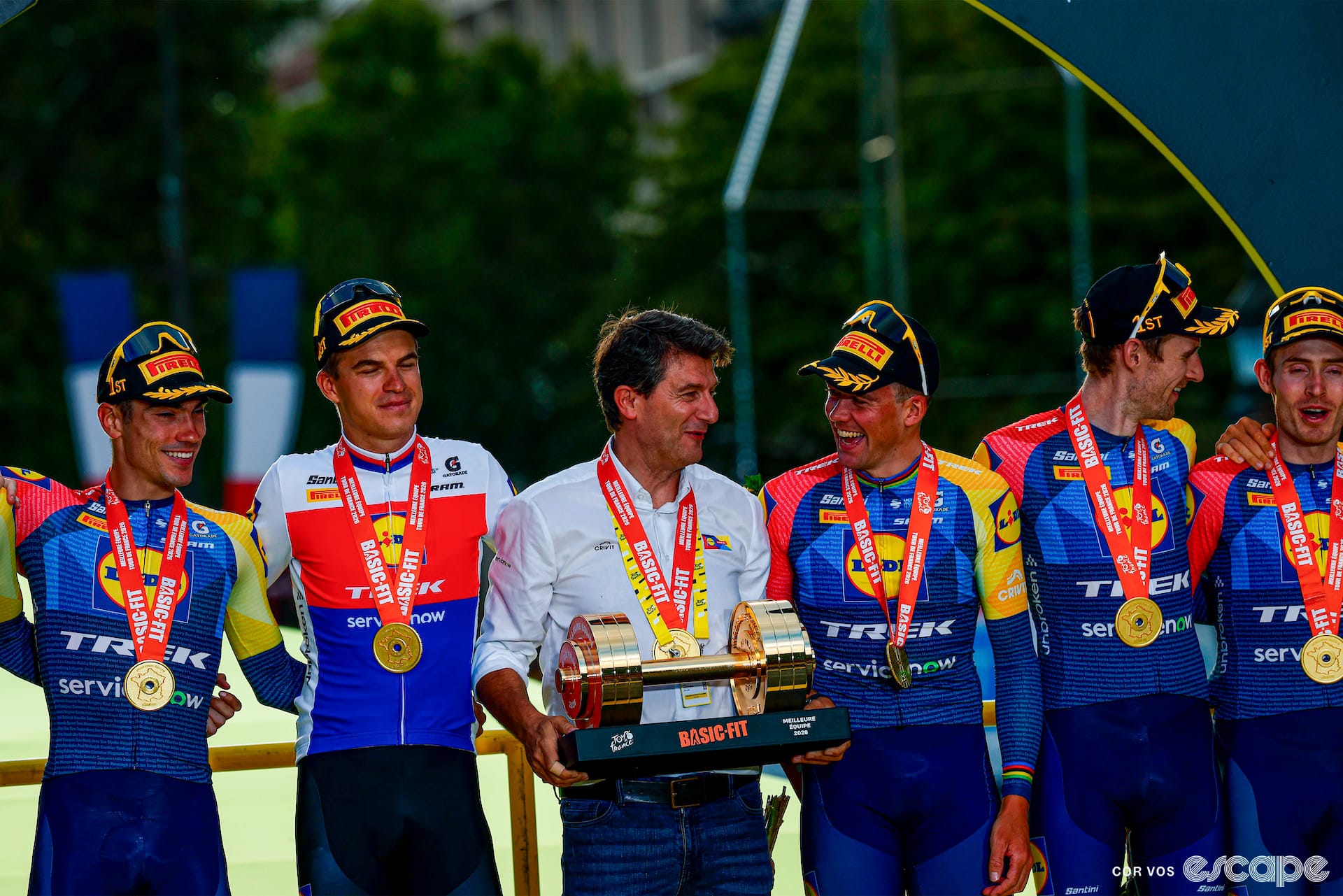 Luca Guercilena’s last job as Lidl-Trek boss involved a visit to the podium in Paris with the Tour de France team, which raced the final stage wearing a special-edition kit designed in his honour.
Since its inception in 1909, the Giro – like the Tour de France and its July slot – has held more or less the same position in the calendar, give or take a week, with the exception of 2020 when the Covid-19 pandemic forced an unprecedented shift to October. The Vuelta a España, the youngest of the three, is the only Grand Tour that has made a significant and lasting move in its lifetime, jumping from its original spring placement to late August in 1995.
Until the early 2000s, the Giro often ran into the first week of June, the latest finish being in 2001 when the final stage was on 10th. All the while, the Tour’s dates have stayed pretty static, only ever shifting to make way for Olympics or similar major events.
This post is for paying subscribers only
Subscribe now
Already have an account? Sign in
Did we do a good job with this story?
👍Yep
👎Nope