
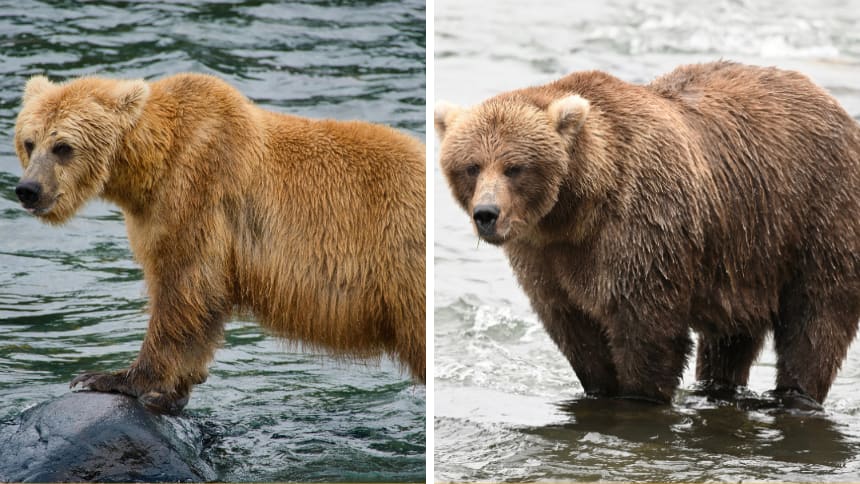
Just bear with us on this one
This one’s for the big boys!
The 2026 edition of Fat Bear Week officially kicked off on Sept. 22, and you can weigh in to help crown this year’s Titan of Tub.
For the last 12 years, Katmai National Park in Alaska has organized the contest to declare which of the park’s local bears has bulked up the most for the coming winter. The winner is chosen by public voting online.
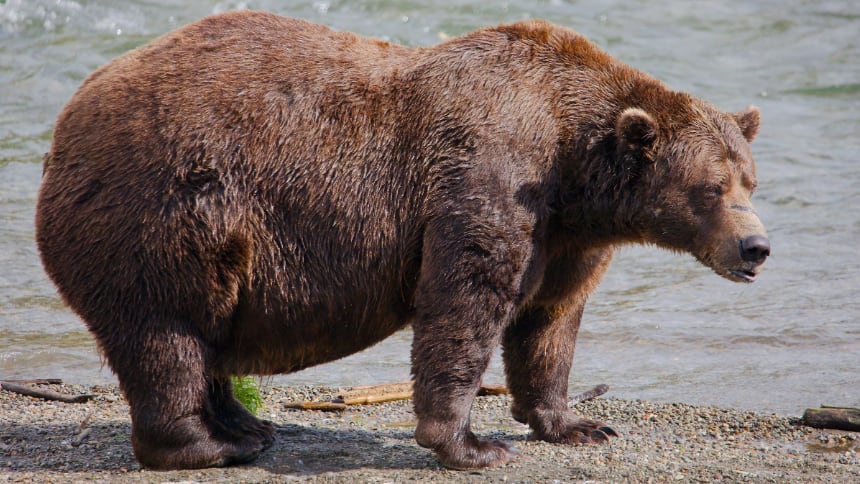
Last year’s winner of Fat Bear Week was 32 Chunk. He is competing again in 2026. (Image credit: E. Johnston/National Park Service/The Associated Press)
Last year’s champion, 32 Chunk, is defending his title against 15 other bears.
The unusual contest has become an internet phenomenon and helps raise awareness about the unique ecosystem of Katmai National Park.
What’s the big deal?
Fat Bear Week began in 2014 as a one-day event called “Fat Bear Tuesday.” Park rangers shared photos of some of the bears on social media and asked followers to vote for the one they thought was the fattest.
The event was so popular that it was extended to a full week for 2015.
According to the U.S. National Park Service, which runs Katmai National Park, Fat Bear Week 2025 saw 1.7 million votes cast from more than 100 countries.
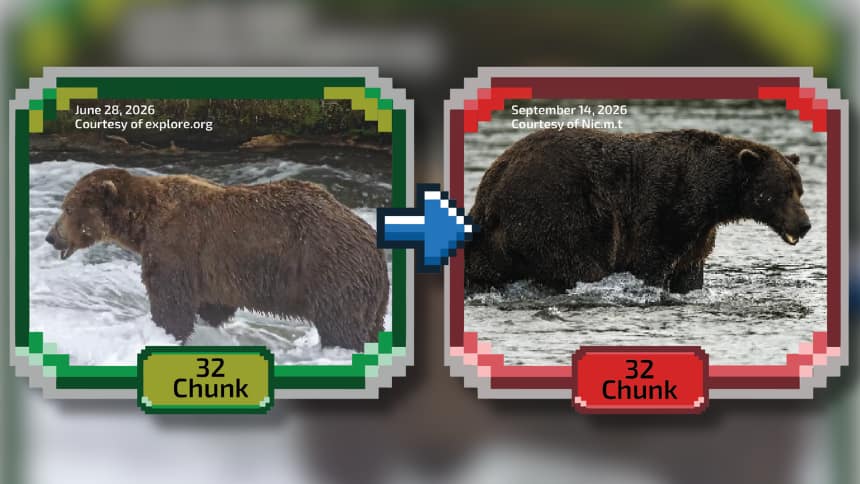
A comparison image of 32 Chunk, showing how much weight he has gained over the summer. (Image credit: explore.org, Katmai National Park)
Mike Fitz, the naturalist who oversees the competition, told CBC Radio’s Calgary Eyeopener that the brown bears that hang around Katmai’s Brooks River are some of the biggest in the world.
He said they grow to be about 500 kilograms, with the largest sometimes coming close to 600 kilograms.
But despite the event’s name, Fitz said the contest is about more than weight gain.
Every year, the park shares the unique stories of the competing bears to give voters a better idea of what the animals go through in order to survive in the wild.
“It’s not really just about body mass, although you can use that as your voting criteria, if you want,” he said.
Why do fat bears matter?
As the official Fat Bear Week website puts it, “Fat bears are successful bears.”
Bears hibernate, which means they spend the winter sleeping.
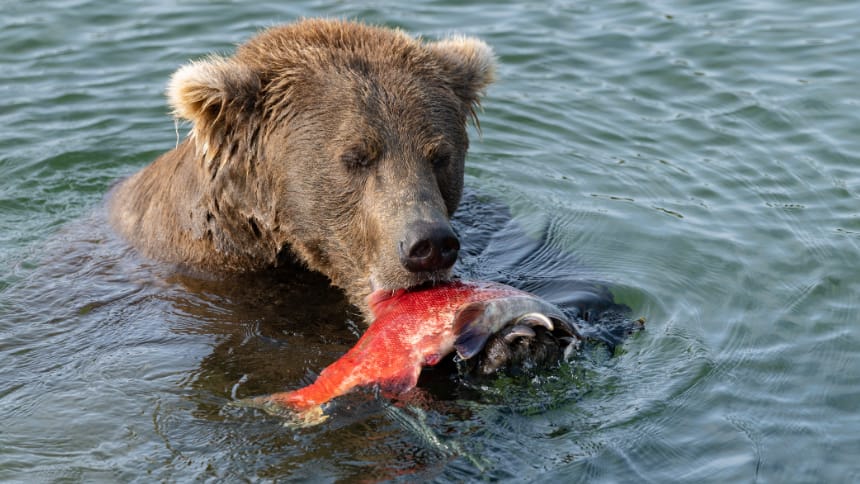
The plentiful supply of sockeye salmon in Brooks River helps the park’s brown bears bulk up ahead of hibernation. (Image credit: Guy Runco/Katmai Conservancy/The Associated Press)
During this time, they don’t eat or drink and lose about one third of their body weight.
To prepare for this, they pack on the pounds throughout the fall.
The Katmai bears’ food of choice for this task is sockeye salmon, a type of fish that spawns from June to October in Brooks River.
Because the fish are so plentiful in the river, the bears spend most of their time there, which lets park employees see them regularly as they bulk up.
Fitz said that the annual event showcases “what a rich, healthy and wealthy ecosystem looks like and what it can bring to people and wildlife.”
How to weigh in
Want to make your voice heard in the battle of the blubber?
Voting is open on the official Fat Bear Week website weekdays from 12 p.m. to 9 p.m. ET, until Sept. 29.
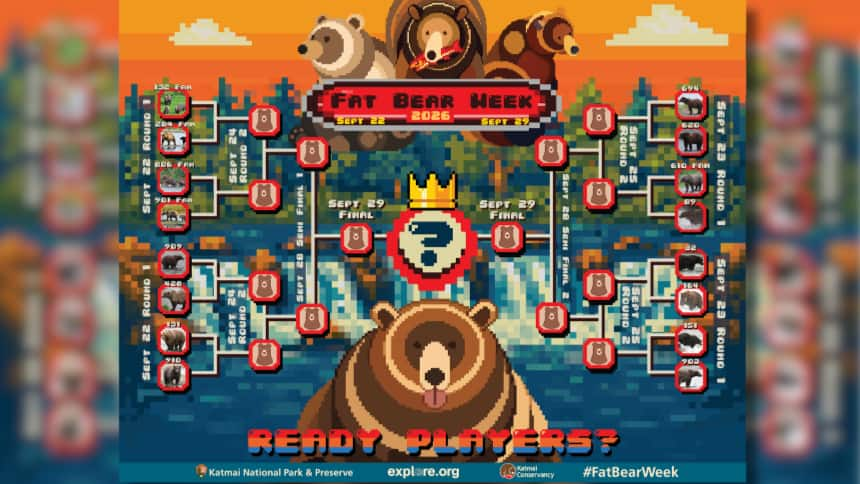
The voting bracket for Fat Bear Week 2026. The bear with the lowest number of votes in each round will be eliminated until only one remains. (Image Credit: Sara Wolman/Explore.org, Katmai National Park)
This year’s contest has a new category: bear families.
Fitz said that park rangers have seen about 40 mother bears and cubs around the river — the most they’ve ever recorded.
The winner of Fat Bear Week 2026 will be announced on the official website on Sept. 29.
Have more questions? Want to tell us how we’re doing? Use the “send us feedback” link below. ⬇️⬇️⬇️
With files from The Associated Press, CBC Radio