
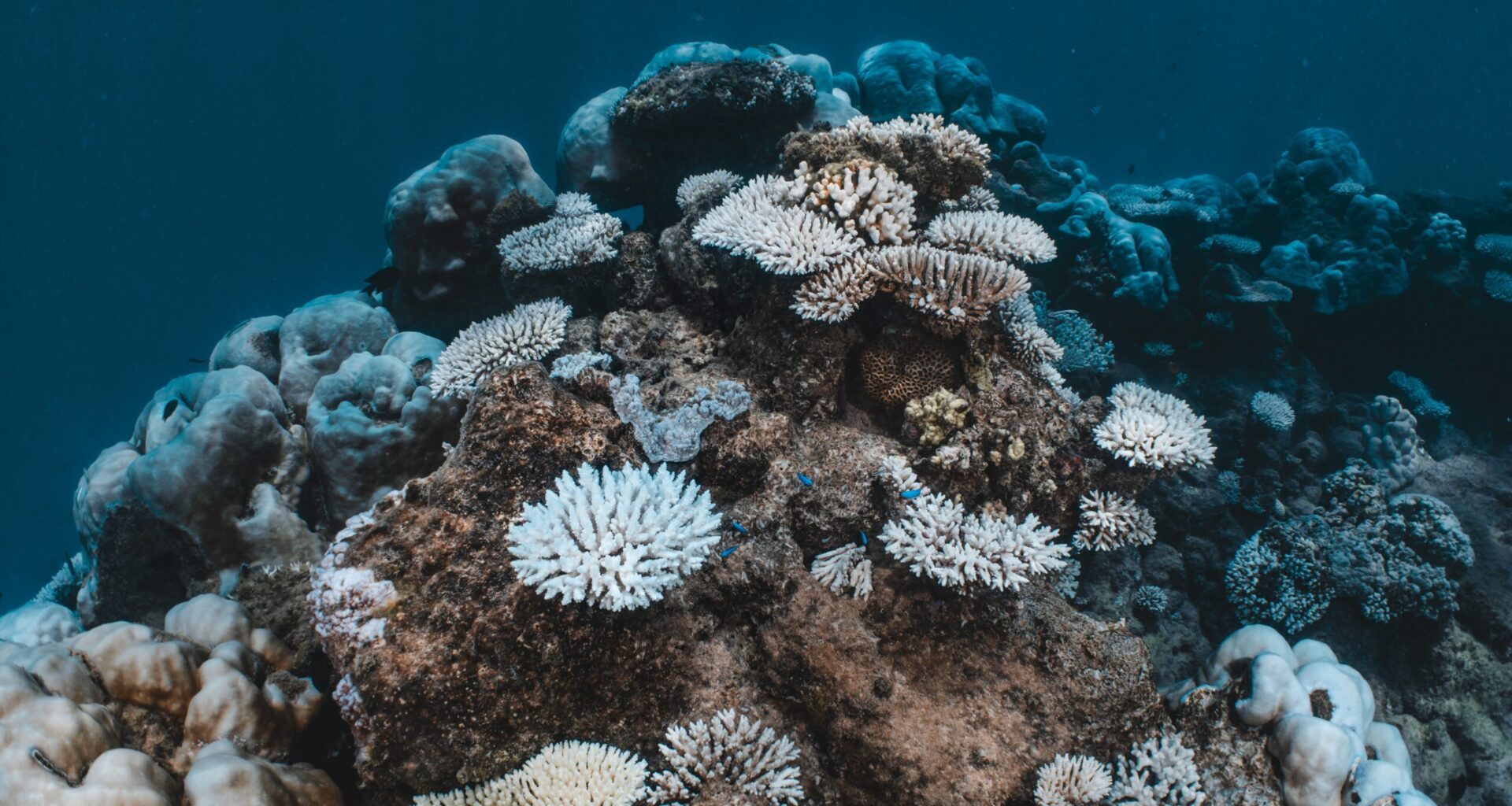
The team examined 20 coral colonies and found that two major reef-building species, Porites lutea and Porites lobata, were preparing to spawn during Ningaloo’s annual early autumn mass spawning period – the first reproductive record of its kind for these species at the reef.
A third species, Porites australiensis, showed no signs of reproduction during either sampling window, hinting that it may follow an entirely different reproductive calendar and underscoring the need for year-round monitoring.
“Timing is everything in coral restoration,” Juszkiewicz said. “If scientists miss a spawning event, they may have to wait another year for the next opportunity. Knowing when keystone corals reproduce helps scientists and managers plan restoration programs to ensure they are ready to collect reproductive material at the right time.”
The study also uncovered a striking geographic divide. Ningaloo’s Porites corals spawn in early autumn, while the same species further north near Dampier – just 300km away – have been recorded spawning in late spring and early summer.
Senior author Associate Professor Zoe Richards, who leads Curtin’s Coral Conservation and Research Group, said the mismatch could have serious consequences for how reefs bounce back after disturbance.
“If Ningaloo’s corals are reproductively isolated from reefs just 300 km to the north, it means those northern populations may not be able to replenish Ningaloo if its corals are lost during heatwaves or cyclones,” Richards said. “They’re effectively separate genetic stocks, despite being relatively close geographically.”
Dr Thomas Holmes, Program Manager for the WA Reef Regen Program at the Western Australian Marine Science Institution, who was not involved in the research, said the findings mattered because heat stress affects far more than survival.
“It can also reduce reproduction, meaning corals may produce fewer eggs and sperm for years after a major bleaching event,” Holmes said. “That makes reproduction one of the most important indicators of a reef’s long-term health and resilience, so this research gives us a benchmark for some of Ningaloo’s most important reef-builders.
“If future marine heatwaves impact the region, we’ll be able to compare reproductive activity and better understand what climate change is doing to the reef’s recovery potential. This is incredibly important for informing any future coral regeneration activities.”
The research was funded by the Minderoo Exmouth Research Station, with co-authors from the Curtin University Medical Research Institute, James Cook University and The University of Western Australia.