
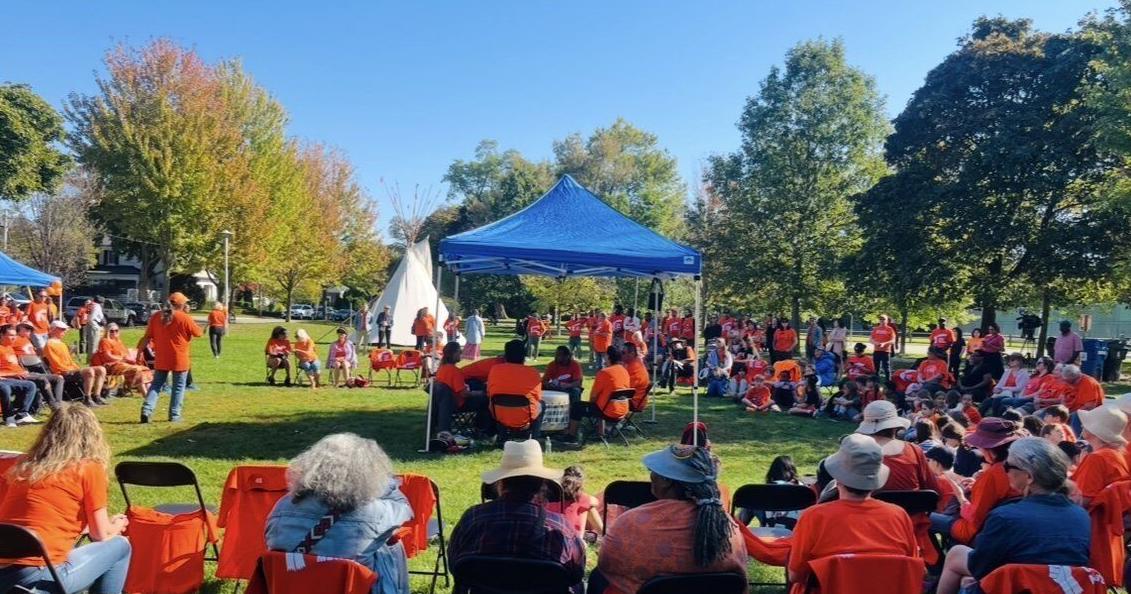
With National Day for Truth and Reconciliation around the corner, Toronto-based Indigenous non-profit Na-Me-Res is hosting its fifth annual Day of Remembrance.
The public gathering takes place on Sept. 30 from 10 a.m. to 2 p.m. at Hillcrest Park (950 Davenport Rd). Attendees are invited to reflect, honour residential school survivors and the children who never returned home, and deepen their understanding of the history of First Nations, Inuit and Métis peoples.
Steve Teekens, executive director of Na-Me-Res, highlights the event’s importance: “It’s an opportunity for people to stand with their Indigenous neighbours and build the connections and bridges that will help lead to real equality for Canada’s Indigenous Peoples.”
Bridging gaps in services: Na-Me-Res
Established in 1985, Na-Me-Res is based in Toronto and bridges the gaps in services for Indigenous men experiencing homelessness through affordable housing, cultural reconnection, skills training and primary health care, according to the organization.
Its mission is to offer Indigenous-run safe and affordable units for their clients. Currently, Na-Me-Res runs five local housing projects and a men’s low-barrier shelter, in collaboration with the city.
The Day of Remembrance on Orange Shirt Day
The event coincides with Orange Shirt Day, a movement inspired by residential school survivor Phyllis Webstad. On her first day at St. Joseph Mission Residential School, the orange shirt her grandmother gave her was stripped away. Today, her story anchors the message “Every Child Matters.”
Guests at the gathering will receive an orange shirt in exchange for a donation to Na-Me-Res.

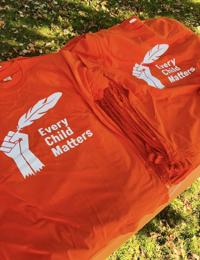
Guests will receive an orange shirt in exchange for a donation to Na-Me-Res.
Na-Me-Res
The program features a sacred fire, traditional drumming and speeches from Indigenous community members impacted by residential schools.
Teekens emphasizes the essential role of these voices: “It is so important that we continue telling the truth about Indigenous history — sharing our stories and keeping the challenges our communities still face today at the forefront of the conversation.”