

Listen to this article
Estimated 3 minutes
The audio version of this article is generated by AI-based technology. Mispronunciations can occur. We are working with our partners to continually review and improve the results.
The proposed Iqaluit hydroelectric dam will have “significant adverse impacts” on environment and Inuit livelihood, the organization behind the project acknowledges.
“The Project Proposal also identifies harvesting, land use, country foods and travel safety as matters requiring further consideration,” Qikiqtani Inuit Association (QIA), organization spearheading the project, said in its filing to Nunavut Impact Review Board.
The board is one of the regulatory bodies that would need to sign off on the project.
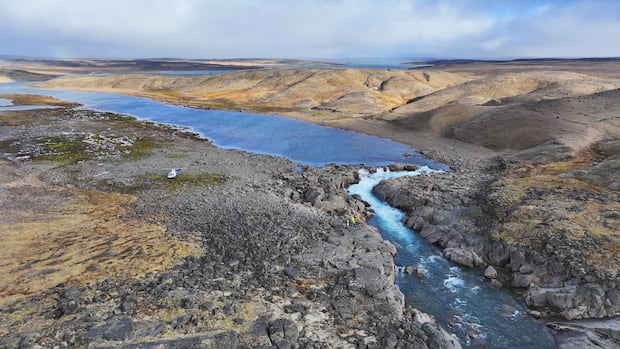
The $500 million plan to build a hydroelectric plant outside Iqaluit is almost as old as Nunavut. If built, the project would include a dam and a powerhouse built along the Kuugaluk River, about 60 kilometres northeast of Iqaluit. It’s estimated the plant could generate 15 megawatts of electricity for about 100 years.
The project has been at the centre of debate over its potential environmental impacts for years. In Pangnirtung, a community located about 300 kilometres northeast of Nunavut’s capital, the project has been at the top of many people’s minds.
“That river is one of the most sensitive areas, to talk about environmental impact,” said Pangnirtung MLA Johnny Mike.
According to the project proposal, the dam would flood 73 square kilometres of land – an area larger than the footprint of Iqaluit.
That, Mike argues, along with the powerhouse on the river, will have an impact on fish, caribou, and people who own cabins in the area.
‘Inuit versus Inuit’
The project is far from a “go-ahead” stage, says Harry Flaherty, president of QIA-owned Nunavut Nukkiksautiit Corporation, which is conducting environmental assessments of the project.
“What impact there might be on the wildlife, what kind of impact there might be on the birds, plants and the caribou,” he says.
He says until those studies, along with consultation with the impacted communities, are completed, the company will not start construction.
But Mike argues QIA and its Iqaluit-based leaders don’t have the qualifications to do this work.
“The QIA leadership, they live down here, and they don’t know what we know about wildlife,” Mike said.
And the project has already caused division among Inuit, which is going to be hard to bridge, he says.
“You know, they’re there to promote and protect our rights. But now I’m fighting QIA,” he says. “It’s like Inuit versus Inuit now.”