

Listen to this article
Estimated 4 minutes
The audio version of this article is generated by AI-based technology. Mispronunciations can occur. We are working with our partners to continually review and improve the results.
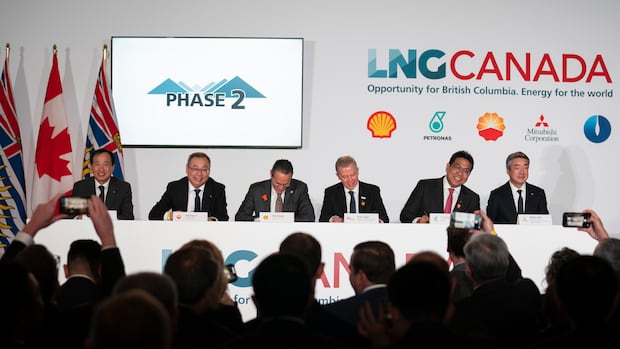
Confirmation that Phase 2 of LNG Canada will proceed is raising hopes for an economic boom in Kitimat, B.C., along with calls to ensure the benefits aren’t short-lived.
LNG Canada confirmed the planned LNG terminal expansion Tuesday, a move that could double exports of liquefied natural gas from the northern coastal facility to overseas markets, with its first cargo load of LNG shipped to Asian markets last year.
The multibillion-dollar export plant expansion is projected to create up to 4,000 construction jobs at its peak, along with about 90 new permanent positions.
“We’ve all been waiting for it, that’s for sure,” said Rob Campbell, a Kitimat-based contractor and branch manager with CDN Controls.
“We are going to see a lot of investment here, and we will see a lot of increased activity.”
WATCH | Is Canada’s LNG promise a case of greenwashing?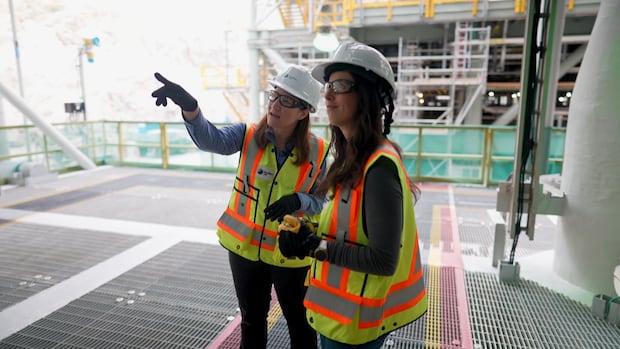
Canada’s clean LNG pitch — and why not everyone is buying it
The Kitimat Chamber of Commerce says new workers will spend dollars in the town, which had a population of just over 8,600 people as of 2022, while local businesses are looking to directly benefit from project spending.
“There’s been conversations with LNG Canada about ensuring they do utilize the local businesses for procuring their stuff,” said chamber of commerce president Paul LeBlanc.
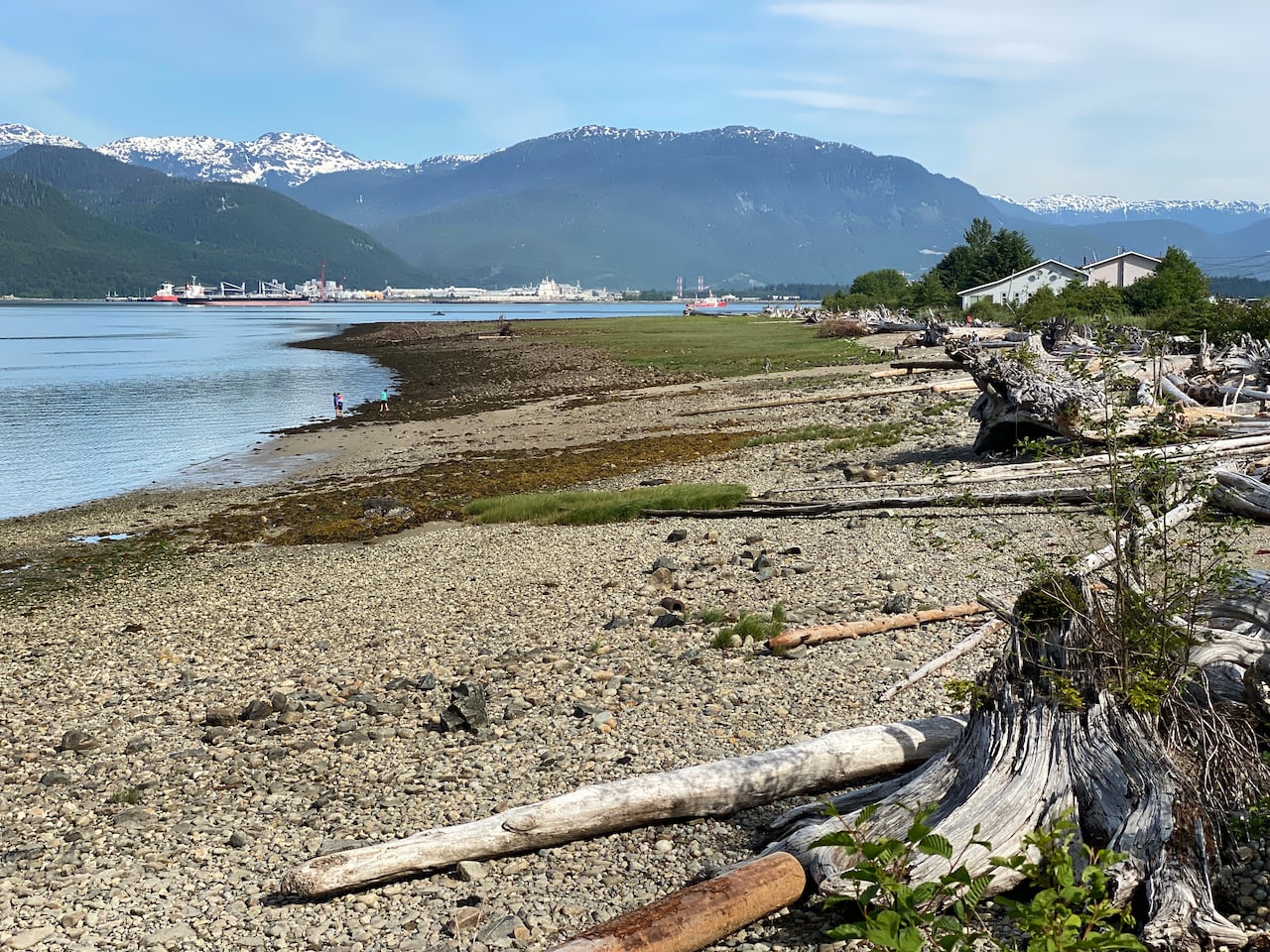 This image looks north from the Haisla Nation’s Kitamaat Village to the port of Kitimat, B.C., on June 14, 2023. (Benoît Ferradini/Radio Canada)
The project also has the opportunity to boost the emerging maritime industry in Kitimat, according to Anurag Vinayak with Westward Shipping.
He said Phase 1 of the project “got Kitimat onto the marine map and the global energy map.”
The completion of Phase 2 will see some 450 ships passing through the port every year, meaning the need for more marine infrastructure and support services, he added.
“And that is one of the golden opportunities for locals to get into,” he said.
WATCH | The impact of LNG Canada Phase 2 on local First Nations:
What impact will LNG Canada’s Phase 2 project have on local First Nations communities?
Crystal Smith is a former elected chief councillor with the Haisla Nation who now serves on the Indigenous advisory council of the Major Projects Office.
She said along with the direct financial benefits to the nation, the project will create “meaningful employment which will hopefully go to lifelong careers” for First Nations people.
But she said a key lesson of the project’s first phase was the need for more resources to develop skilled trades locally, both now and into the future.
“A lot of our communities have to rely on coming to major metro areas in order to gain [those] meaningful training opportunities,” she said. “That needs to be a focus going into Phase 2.”
WATCH | What Kitimat expects from the expansion: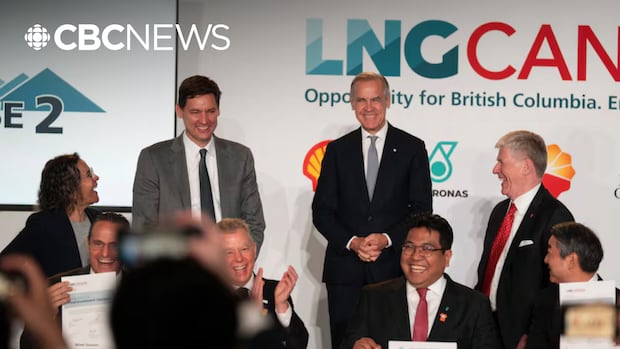
What does B.C.’s Kitimat community expect from LNG Canada Phase 2 expansion?
Call for more training
That concern was echoed by multiple stakeholders, as was a call for funding from senior levels of government help the community handle the next wave of growth.
Kitimat Mayor Phil Germuth said that while the project will create both direct and indirect jobs, increasing the city’s tax base, it will also put pressure on resources.
“Now we are looking hopefully for federal and provincial governments to show their support, as they did in Phase 1, by assisting us with some of our infrastructure and housing needs so we can attract all the highly skilled workforce and their families,” he said.
LeBlanc said that kind of legacy investment will be critical in ensuring that skilled workers who move to Kitimat say for the long term.
“So that in 15 or 20 years or maybe 40 years, when the gas is all dried up, this is what LNG Canada left for Kitimat,” he said.
And there are other concerns.
Since flaring at LNG Canada began last year, some locals have complained about the possible health risks from natural gas burnoff.
The company says it expects less flaring as construction on Phase 2 begins.
LNG Canada is a joint venture company made up of Shell, Petronas, PetroChina, Mitsubishi Corporation and Korea Gas Corp.