

Listen to this article
Estimated 4 minutes
The audio version of this article is generated by AI-based technology. Mispronunciations can occur. We are working with our partners to continually review and improve the results.
Some people vying to be Ottawa’s next mayor say they’ll ensure festivals aren’t surprised by huge bills for city services they can’t handle.
It was a hot topic at a Tuesday event organized by Arts Ottawa, Ottawa Festivals and the Ottawa Music Industry Coalition — and a rare moment of unity among four mayoral rivals.
“It feels like it’s gotten out of control over the last few years,” said Mark Sutcliffe, the incumbent candidate. “Costs have been rising significantly and we need to put a stop to that, and make sure festivals can be sustainable without onerous costs being imposed on them.”
Jeff Leiper, Neil Saravanamuttoo and Alex Lawson all agreed that permit costs need to be transparently presented to organizers before events, and that the city should review its new special events bylaw.
“If you get slapped with a bill after the fact, you’re not going to be doing it again,” said Lawson, meaning artists have fewer chances to display their work and cultural groups lose an opportunity to express themselves. “That’s absolutely a tragedy.”
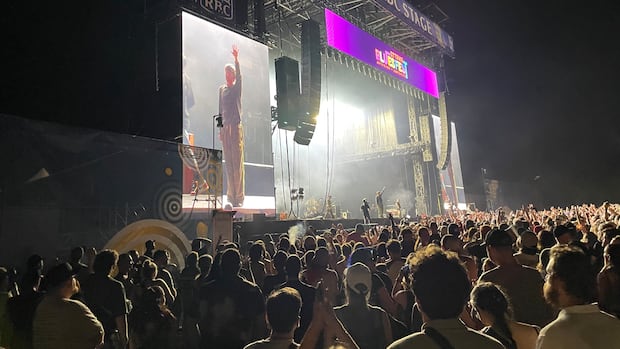
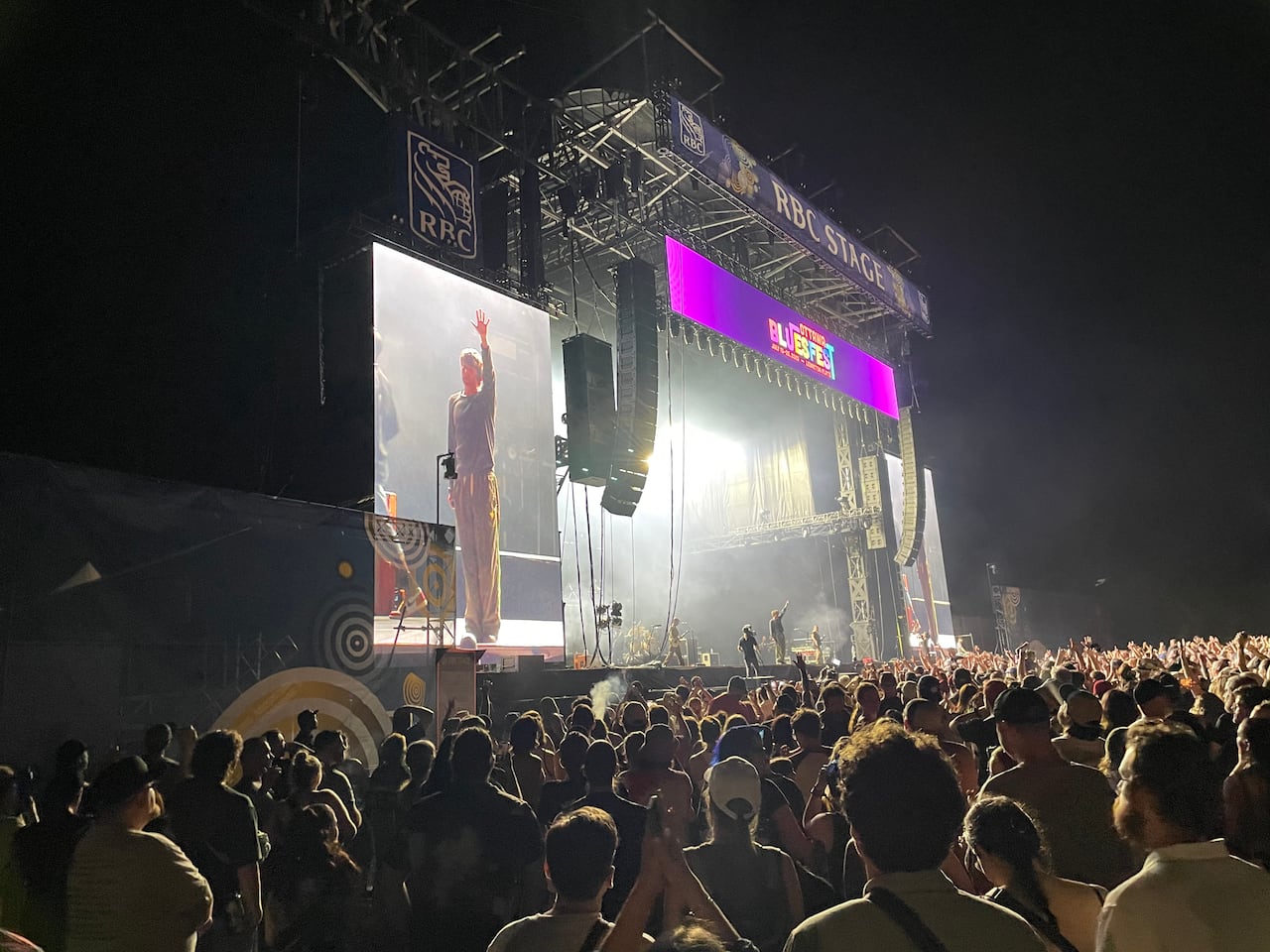 An Ottawa Bluesfest crowd in 2025. Ottawa festivals are dealing with high costs for city services, but the affordability crisis makes it challenging to raise the price of tickets. (CBC)Festivals ‘extremely vulnerable’
Festivals are facing high costs for services that include permits, by-law, transit and policing, Tara Shannon, the executive director of non-profit Ottawa Festivals told CBC after the event.
“I can’t overstate it enough,” she said, noting the issue is urgent. “Our festival sector is extremely vulnerable right now.”
Shannon said festivals can’t keep up with the rising costs, but with families already facing an affordability crisis, they need options that don’t involve hiking ticket prices.
“Families are having to choose between, does little Johnny go to hockey or do we get Bluesfest passes this year?” Shannon said. “That’s the level of decision-making that’s happening in homes every day.”
While Sutcliffe pledged to tackle the issue, he made it clear that the city and its police service will still need to cover their costs.
“We’re going to have a hard time offsetting costs for festivals … when we have tax increases that are below the rate of inflation,” Leiper shot back at the incumbent.
Leiper also proposed creating a lending library for equipment needed to create safe events, including physical barriers.
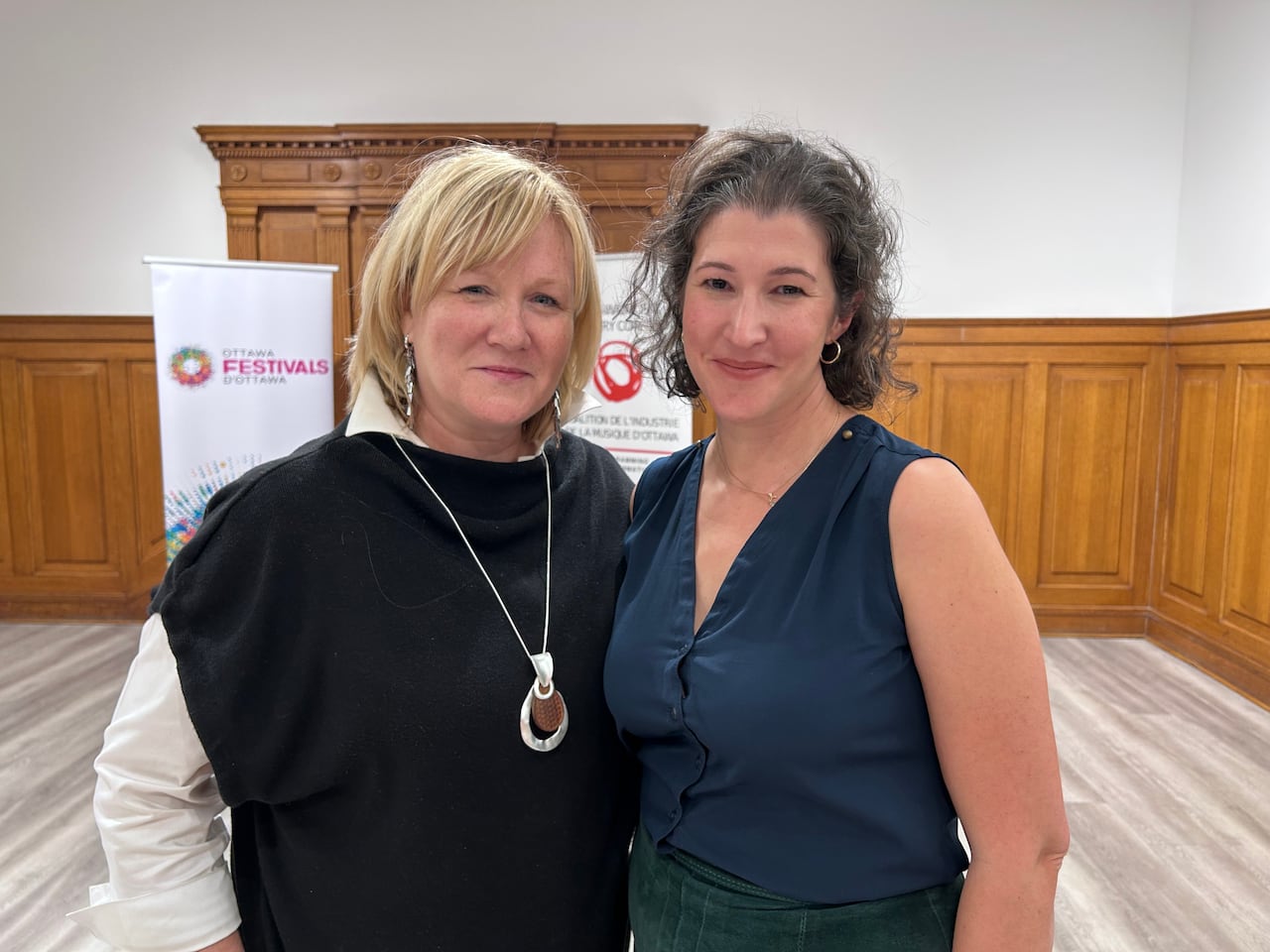 Tara Shannon, left, executive director of the Ottawa Festival Network, and Cassandra Olsthoorn, right, co-leader strategy and community mobilization for Arts Ottawa say they were pleased to hear mayoral candidates acknowledge the importance of art during a debate on Tuesday. (Elyse Skura/CBC)Arts groups say funding falling behind
Shannon acknowledged the $1-million annual Major Festivals Fund being piloted by the city and Ottawa Tourism, but said it’s not enough.
“We did get a little bump up, which is great, but it’s catch-up. We’re not on par yet, or getting ahead,” she said.
That was a common refrain during the debate.
“As long as we continue to fund [arts] as a hobby, our children are going to keep leaving,” said Neil Saravanamuttoo. “We’re going to keep losing talent and our industry is not going to grow.”
Saravanamuttoo and others said Ottawa should instead look at funding for arts and culture through an economic development lens.
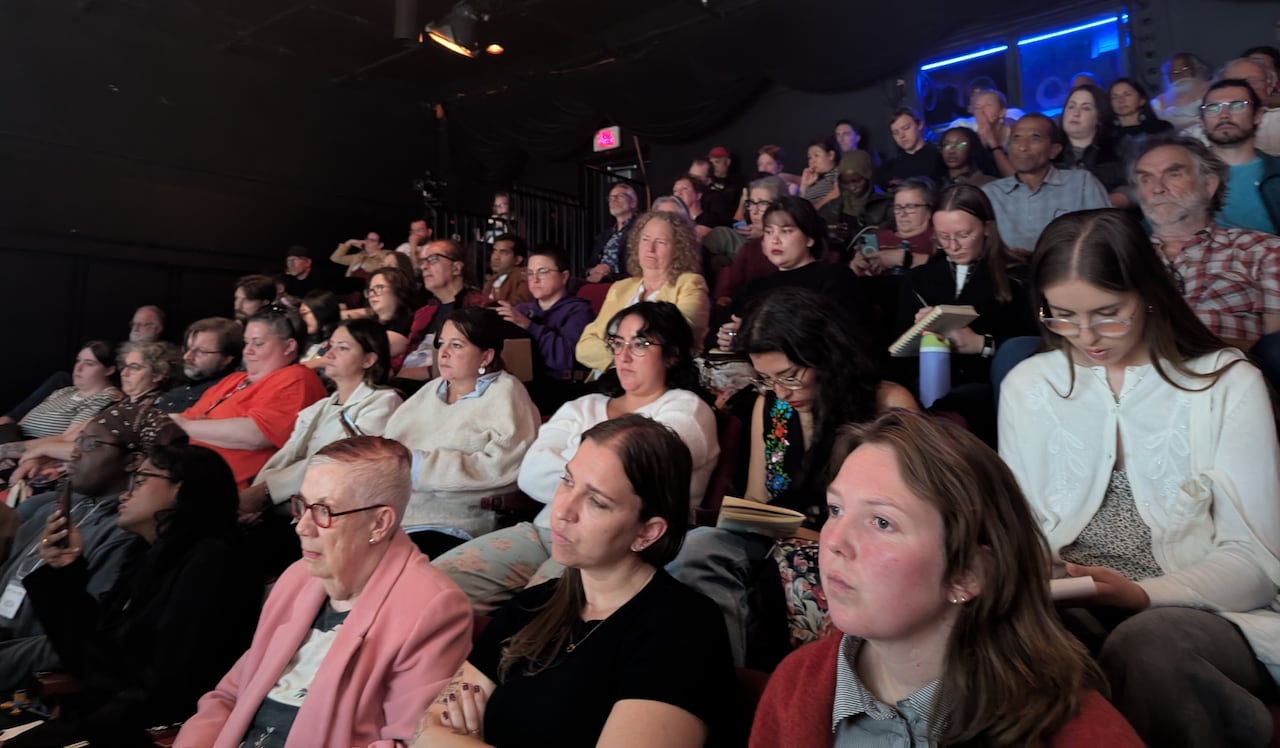 Mayoral candidates debated in front of a packed crowd in the 120-seat Arts Court Theatre. Organizers had to open up an overflow room to accomodate spectators. (Elyse Skura/CBC)
Cassandra Olsthoorn, co-leader of strategy and community mobilization for Arts Ottawa, said ensuring funding keeps pace with inflation and population growth is one of the community’s top three priorities.
They’re also asking for a new infrastructure reserve fund aimed at protecting places where artists produce and present their work, and an overhaul of “structural problems” that make it difficult to navigate municipal bureaucracy.
“[Arts and culture is] falling into parks and recreation, it’s falling into economic development, it’s in planning, it’s in transit, it’s in public realm development,” she said.
The candidates all seemed interested in exploring these ideas, but their statements often fell short on definitive promises.
“It seems like all the candidates are really engaged and they see the importance of how the sector creates jobs and, and also just makes the city a place that people want to live, play invest and visit,” she said.
“I’d like to see us go a little further.”