
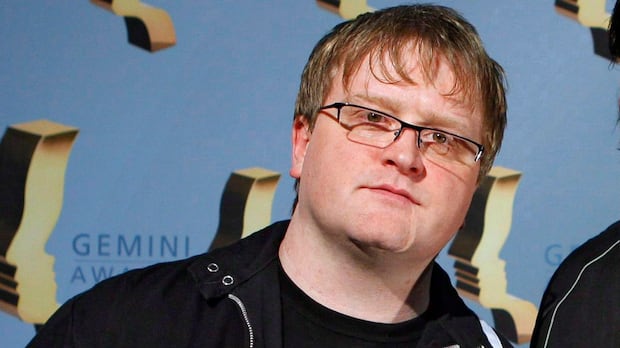
A Nova Scotia judge dismissed a sexual assault case against Trailer Park Boys actor Mike Smith on Thursday, as the complainant tells CBC News she decided the emotional toll of testifying would be too difficult to endure.
The three-day trial of Smith, known for playing Bubbles on the comedy series, was set to begin on Thursday in provincial court in Dartmouth, N.S.
But the Crown offered no evidence in the case, so the defence requested the case be dismissed. Judge Jill Hartlen dismissed it.
Smith, 54, was charged in October 2025 with sexual assault in relation to an alleged assault on Dec. 30, 2017, in Dartmouth.
He pleaded not guilty to the charge in February.
CBC spoke with the complainant, who cannot be named due to a publication ban on her identity, on Wednesday.
In a statement, she said the trial was dismissed “because I am unwilling to sacrifice my mental health” by testifying.
The statement says evidence in sexual assault cases “hinges almost exclusively on the testimony of the victim.”
“This process retraumatizes survivors, subjecting their experiences to dissecting public scrutiny. Meanwhile, the accused seldom speak; they are exempt from the pain of taking the stand, giving testimony, and facing cross-examination,” the statement reads.
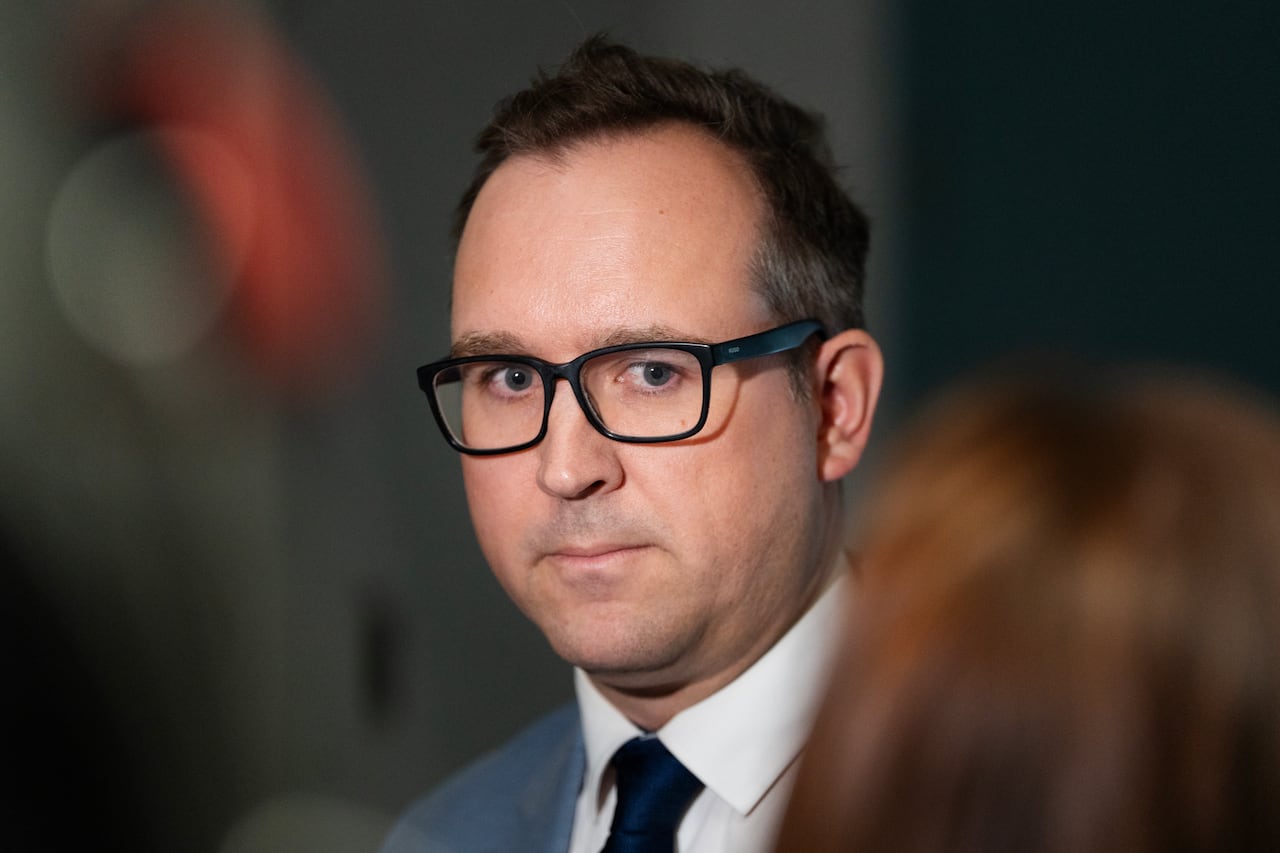 Crown attorney Bryson McDonald speaks to reporters at provincial court in Dartmouth, N.S., on Thursday, Oct. 1, 2026. (Darren Calabrese/The Canadian Press)
Crown prosecutor Bryson McDonald declined to confirm Thursday that the complainant had refused to testify.
He told reporters he could not discuss private communications between the Crown and the complainant.
“The Crown made the assessment based on our prosecution standard that we felt that the realistic prospect of conviction was no longer there,” McDonald said, noting that the determination was made this week.
The complainant said in her statement that since the burden of evidence in sexual assault cases relies so heavily on the character of the witness, victims face “character assassination” during cross-examinations, and defence lawyers can even “insinuate that victims played a part in the crime — or deserved it.”
“I am intimidated by a system, despite it being 2026, where defence attorneys still use tactics that blame victims for surviving and reporting sexual assaults,” the statement continues.
“I know what happened that night in 2017. My stepping away from the case does not change the facts of that incident. Rather, it is a gesture of reclaiming my agency after investigating options within a system that strips me of my voice.”
The statement continues, “I also hope the legal system reflects on my words and implements equality in sexual assault cases, where both parties bear the burden of truth, rather than placing it solely on the person who has been harmed.”
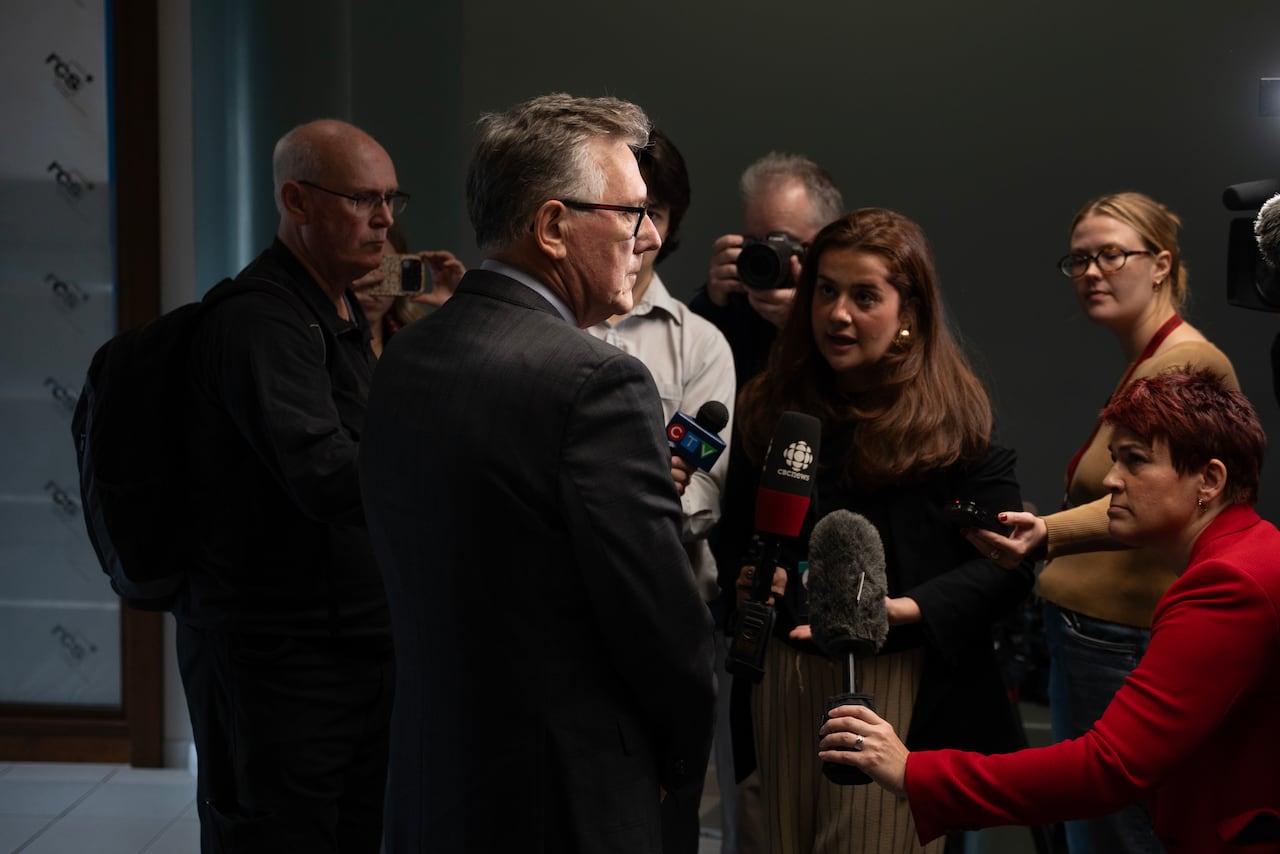 Stan MacDonald, the defence lawyer for actor Mike Smith, speaks to reporters at provincial court in Dartmouth, N.S., on Thursday, Oct. 1, 2026. (Darren Calabrese/The Canadian Press)
Smith’s defence lawyer, Stan MacDonald, said outside the courtroom that defence lawyers do not use tactics to try to dissuade complainants from testifying or to influence them.
Asked to respond to the notion that, generally, complainants sometimes don’t feel comfortable testifying because of scrutiny by defence lawyers and the risk of retraumatization during trial, MacDonald said, “we do what the law allows us to do within our ethical boundaries.”
MacDonald said Smith is “pleased that this matter is now behind him and he’s ready to move forward.”
A statement issued Thursday morning by Trailer Park Boys Incorporated said now that the court matter has concluded, Smith is resuming his responsibilities with the company. He had previously stepped away from his role as managing director.
Nova Scotia’s Department of Justice told CBC News in an email it recognizes that the court process can be extremely challenging for victims. It said it is working “to identify emerging issues, align action across sectors, and inform efforts to improve supports for victims and survivors of gender-based violence.”
It said Victim Services offers different forms of support for people navigating the court system.
“Victims can also tour the courtroom. This can include the victim sitting on the stand and answering general questions unrelated to the case to get a feeling for the experience, reviewing the process of the trial and set up of the courtroom, and answering any questions they may have in advance of testifying,” the department said.
“Also, testimonial aids are available such as video testimony or having a screen set up so the victim cannot see the accused.”
The department also has a program connecting victims of violent crimes with counsellors to help them deal with trauma.
Complainant’s perspective raises ‘important issue’
The Nova Scotia Criminal Lawyers’ Association would not comment on the specifics of Smith’s case, but said the complainant’s perspective “raises an important issue regarding reliance on the adversarial criminal trial process in all sexual assault cases.”
“There are likely many cases where a process that focuses on restorative justice principles rather than penal consequences is more effective for everyone,” Trevor K.F. McGuigan said in an emailed statement to CBC News on behalf of the association.
McGuigan said the trial process is often “daunting and stressful” in general for the complainant, the accused and other witnesses.
“If the credibility of a complainant’s allegations is at issue, as it often is, the accused is permitted to vigorously challenge the evidence in order to defend themselves. This is an essential pillar of our criminal justice system and of a free society, given the severe penalties and stigma arising from a criminal conviction,” the statement said.
“However, strict rules of evidence prohibit reliance on myths and stereotypes, as well as abusive or irrelevant questioning. Defence counsel would not be allowed to suggest that a complainant ‘deserved’ to be assaulted, nor would this ever be an effective strategy.”
MORE TOP STORIES