

Listen to this article
Estimated 4 minutes
The audio version of this article is generated by AI-based technology. Mispronunciations can occur. We are working with our partners to continually review and improve the results.
A community group in the North End of Winnipeg gathered Thursday to tackle some of the issues plaguing their community.
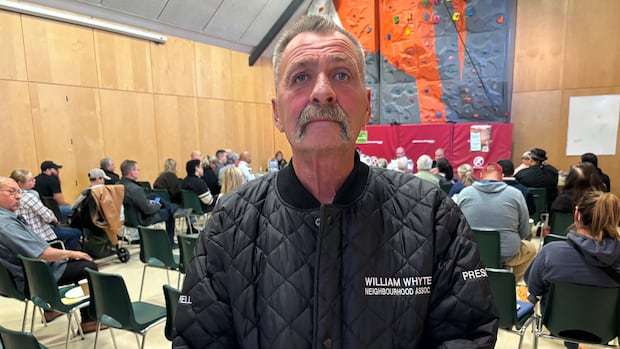
William Whyte Neighbourhood Association president Darrell Warren said worsening crime and drug use was the impetus behind the community engagement meeting.
“Drug problems are leading to people being robbed, and you can’t just walk down Selkirk Avenue anymore, because there are so many people just high on these drugs that people don’t feel safe,” said Warren.
The meeting had a panel of speakers with Winnipeg Police Service Chief Gene Bowers at the helm. He was accompanied by the drug and gang unit, the arson unit, district officers, and Crime Stoppers. Attendees had a chance to ask questions, and hear what police are doing to combat crime in the area.
“We want to know what you’re doing about it and what we can expect,” said Warren.
“Because it seems to be growing all the time, it’s not getting better, it’s getting worse.”
He said some people in the community feel like they’re being ignored. He hopes the meeting will put some of those concerns to rest.
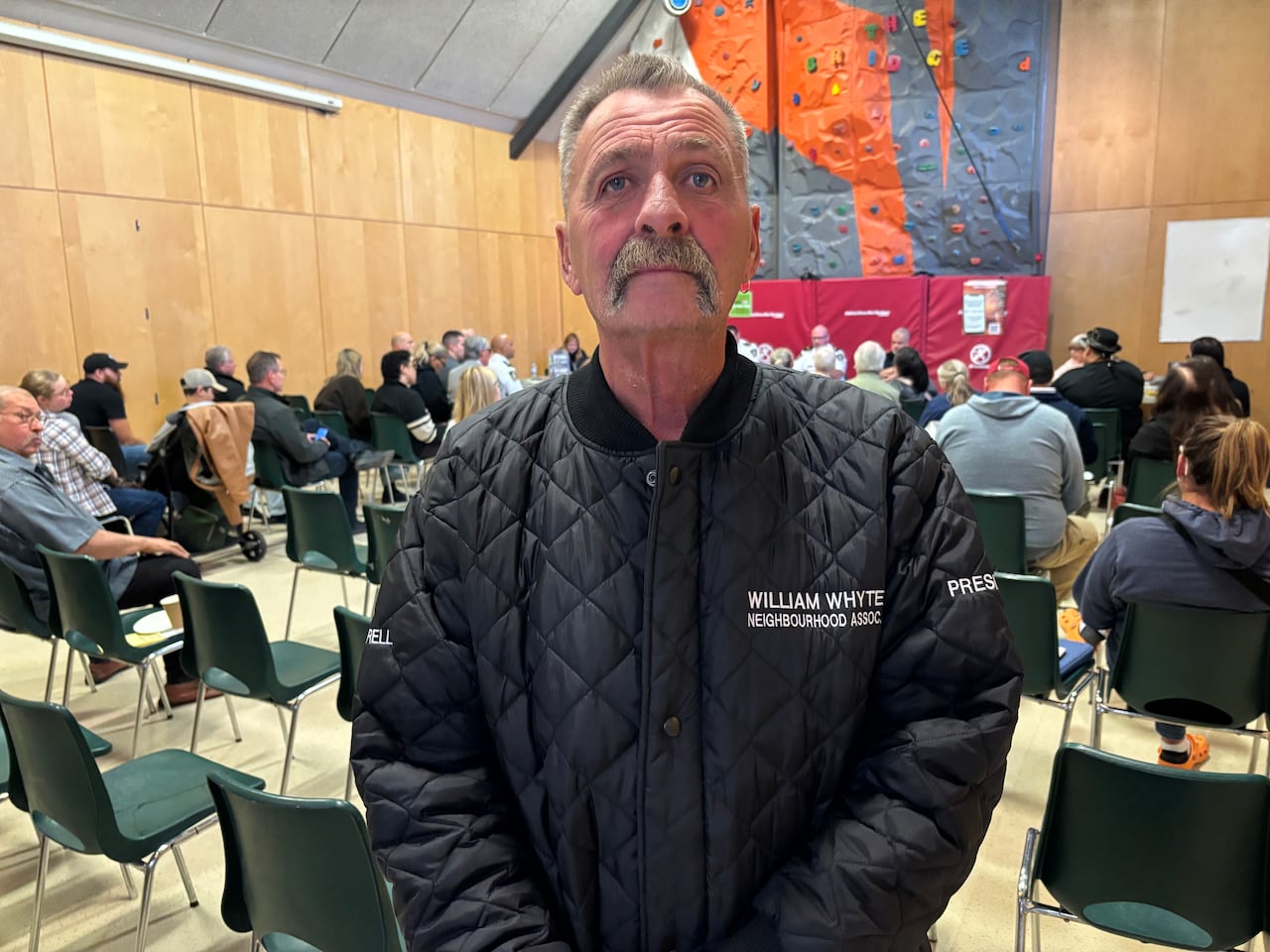 Darrell Warren organized the William Whyte community engagement meeting. He invited Winnipeg police to speak with community members about what they’re doing to combat crime. (Mike Arsenault/CBC)
Sylvia Kowalchuk was front and centre at Thursday’s meeting. She’s lived in the area for more than 30 years, and said crime and drug use has been a problem for a long time, and it needs to be addressed.
“It’s not an easy answer … it takes years to help someone who has a mental health problem. Think about the person who has the addiction. They can’t control it, and they don’t know what’s going on.”
Kowalchuk appreciated the chief of police coming to the meeting to hear concerns from the community, and talk about the steps the service is taking to make William Whyte safer.
“I don’t think it’s easy (for police) to come to these kinds of meetings,” she said.
Listening to the community
Winnipeg police officers from various units spoke at the meeting. Bowers offered some closing comments then took questions from the room. He said getting direct feedback from the community is an important part of policing.
“I have to determine where our resources go, and where they’re best served, and I want to hear from the community,” he said.
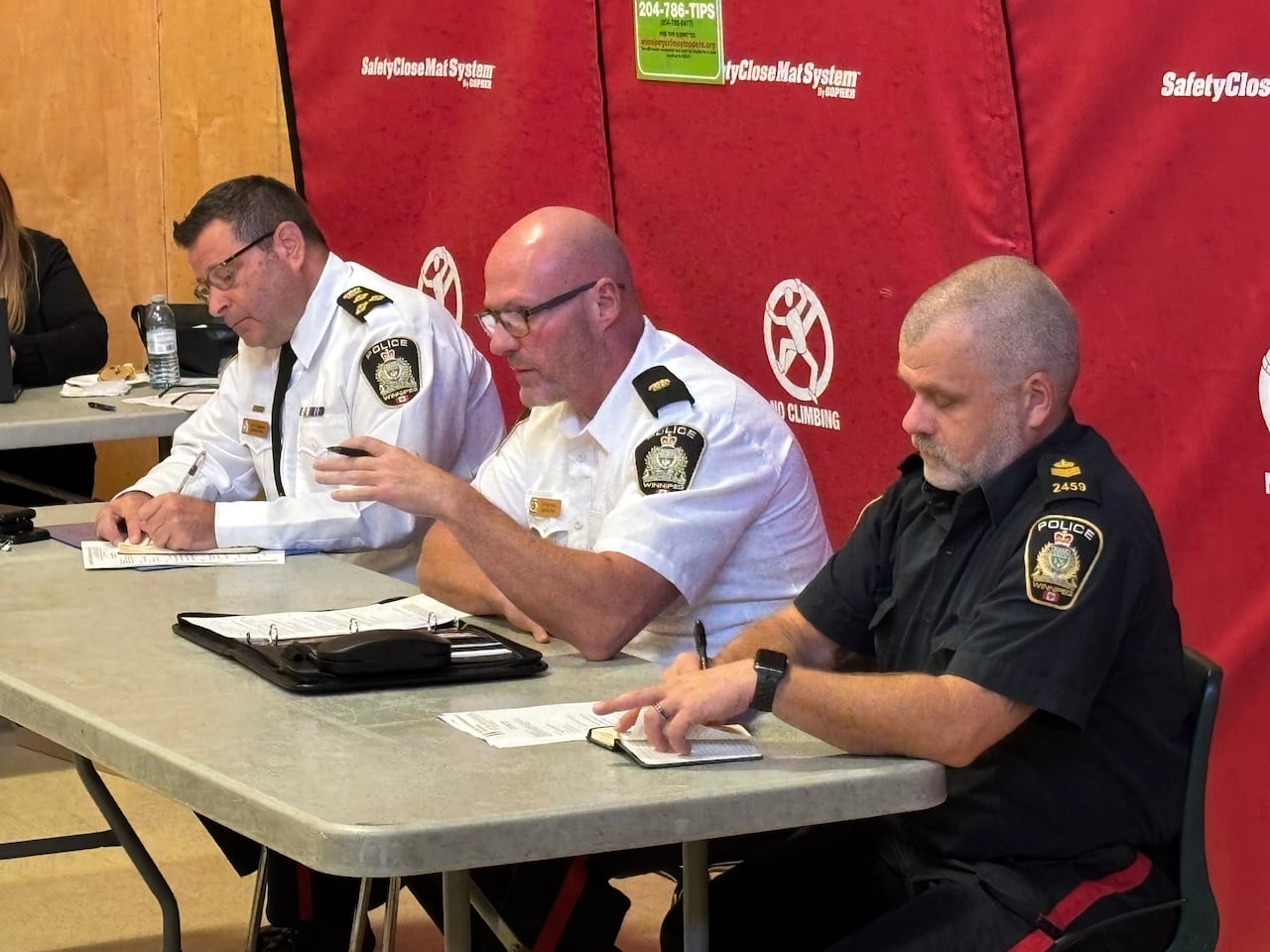 Winnipeg police Chief Gene Bowers and two other officers break down their policing efforts in the William Whyte area, and share crime stats with community members. (Mike Arsenault/CBC)
Bowers said as the police chief, it’s important for him to attend community meetings so he can be accessible, and learn what residents want to see from their police service.
“We use data and whatnot, but sometimes just having that feel and communication is important to really understand what those issues are.”
Bowers said crime rates are decreasing in every part of the city except William Whyte.
Reporting Anonymously
In 2025, the neighbourhood association created the William Whyte Powerline, a tip line where people in the area could report crime anonymously. Crime Stoppers helped them facilitate the line. Crime Stoppers vice-chair, Paul Johnson said this allows the community to report crime without worrying about being identified.
“They’re all good people, and they’re living in a rough neighbourhood, but it’s their home, and so we’re trying to support them as much as we can,” he said.
Johnson said it’s a way for people to get involved and make their community safer.
“Rather than just shrugging their shoulders, or (being) afraid to call, they can call us and they can do something about it, and make their community better.”
Johnson said they’ve put up signs and decals in the neighborhood to deter crime, and remind people to call if they see something.
All five candidates for city council in the Mynarski ward, where William Whyte is located, attended the meeting. Warren said the meeting gave the candidates a chance to learn more about the issues the community is dealing with.