


Listen to this article
Estimated 4 minutes
The audio version of this article is generated by AI-based technology. Mispronunciations can occur. We are working with our partners to continually review and improve the results.
A subsidy program to boost regional air service in Alberta could help spread defence and aerospace spending across the province, Premier Danielle Smith told a crowd in her home riding of Medicine Hat this week.
That city, as well as Lethbridge, lost scheduled air service when WestJet shut down once-per-day flights to Calgary in June.
Now, Smith says the province is evaluating proposals from carriers to link regions potentially with subsidies to guarantee any shortfall in revenue.
“There are multiple mid-sized communities that need air service, and [we have] come up with what I thought was going to be a pretty good solution,” Smith said.
This summer, the Alberta Ministry of Transportation asked air carriers to submit proposals for entering the market or expanding existing operations with scheduled, commercial travel to regional airports.
Six companies submitted formal proposals in the process, which according to documents could provide up to $5 million over two years in exchange for service guarantees.
Evaluations are now being done ahead of direct talks with carriers, said Minister Justin Wright, who represents a Medicine Hat-area riding and took part in the Sept. 26 town hall.
“You can’t have a healthy aerospace sector without a healthy airport,” said Wright, who previously chaired a committee looking at the issue of rural connectivity.
“Subsidies are on the table … the [Medicine Hat Regional] Airport isn’t going anywhere.”
 Premier Danielle Smith speaks during a 2025 visit to Medicine Hat. (Eli Ridder/CBC)
Smith said a new program would expand flights throughout the province, but is particularly needed to help draw defence sector investments into regions with Canadian Forces bases, like the 2,700-square kilometre testing range at CFB Suffield near Medicine Hat, as well as CFB Cold Lake.
Potential investors want regular flights for workers and executives as well as air freight service, she said.
“There’s going to be a whole number of supply chains that are going to locate close to here as well … which is all the more reason why we have to restore regional air service,” she said.
Smith said the Air Force base at CFB Cold Lake could be serviced by regional airports in Cold Lake or Lloydminster, which lost WestJet service in April 2024. Other major regional airports in Alberta are located in Grande Prairie, Red Deer and Fort McMurray.
Municipalities watching provincial process
Cameron Prince is the general manager of the Lethbridge Airport which, like Medicine Hat, sees local air service as “a major benefit,” not only for travellers but business development as well.
“We are putting a big focus on getting that back, and the government of Alberta will hopefully help to incentivize that sooner rather than later,” he told CBC News.
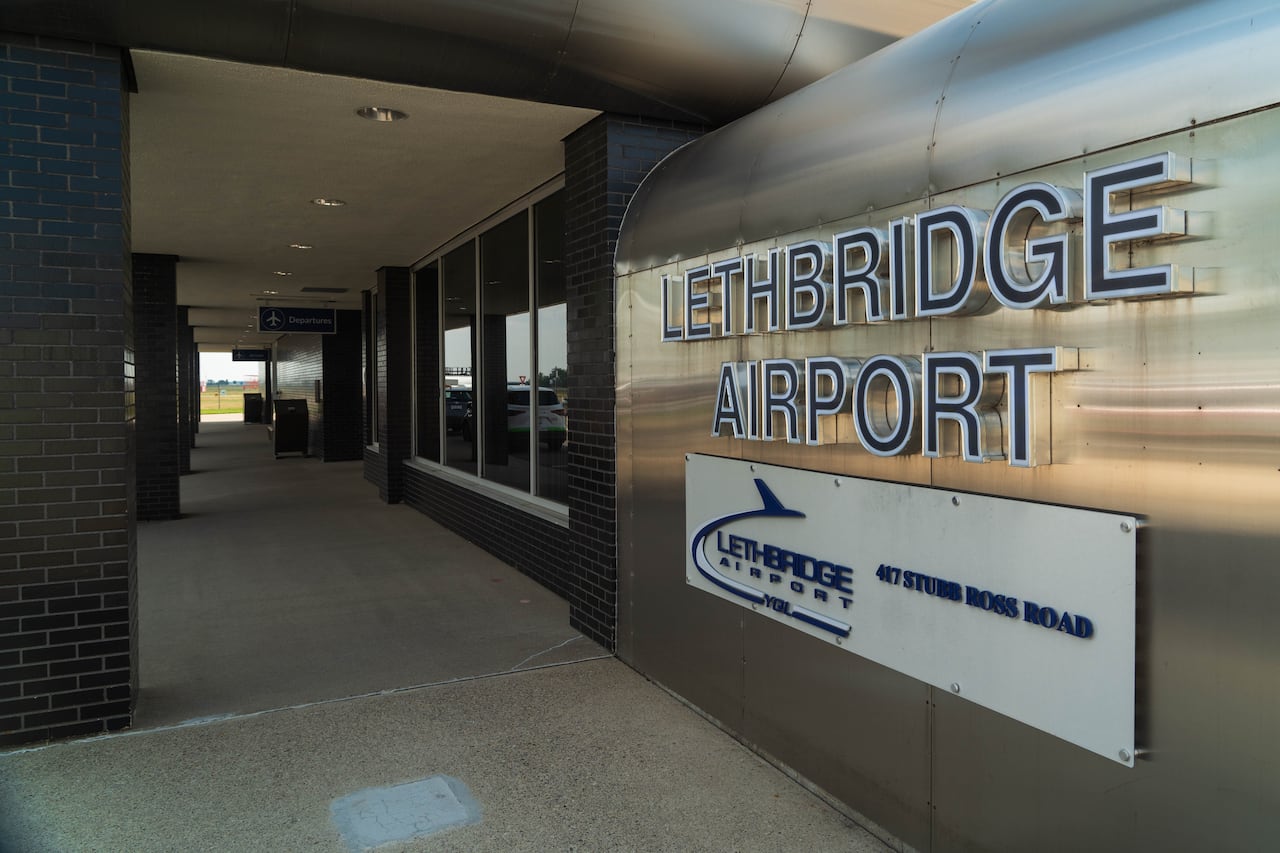 Lethbridge’s regional airport pictured on Aug. 9, 2024. (Ose Irete/CBC)
Lost revenue from the WestJet service cuts total about $250,000 annually, said Medicine Hat officials.
Subsidies move passengers across the country, says prof
If approved, Alberta would become one of several provinces that provide financial support in exchange for air service coverage from carriers, but its approach appears to be designed better, said John Gradek, who teaches about supply chain management in the air industry at McGill University.
“I think they’ve done their homework,” said Gradek after reviewing the province’s outline for submissions.
He said using smaller aircraft on shorter routes with less volume makes sense, but that is not the business model of major airlines.
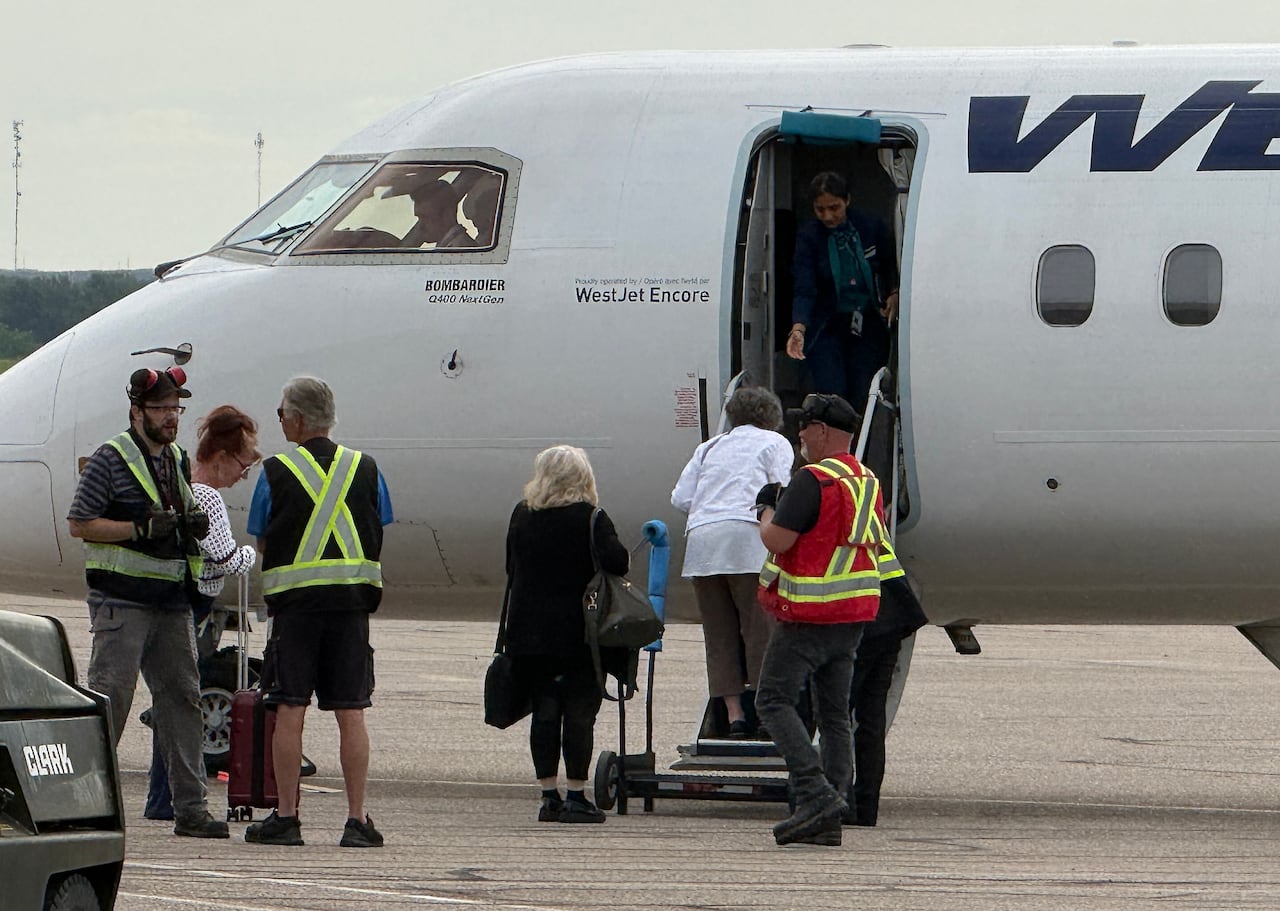 One of the final flights of WestJet’s route between Medicine Hat and Calgary prepares for departure on June 16, 2026. (Collin Gallant/CBC)
Even then, some level of subsidy is likely required, which may make sense to support remote regional economies, he said.
“Air service is an economic lifeline for the smaller cities. It’s business travel, medical access, supply chains, connectivity that helps attract employers and retains employers.”
The province of Saskatchewan currently pays WestJet if some routes to U.S. travel hubs do not pass revenue hurdles, including Saskatoon to Minneapolis, and Regina to Denver and Minneapolis. Payments would stop if the routes become profitable.
Quebec offers direct subsidies to regional passenger fares of up to 85 per cent for a certain number of tickets. Three Maritime provinces have agreed to a “route support” system, said Gradek, which reduces airport fees and provides money for marketing.