

Listen to this article
Estimated 3 minutes
The audio version of this article is generated by AI-based technology. Mispronunciations can occur. We are working with our partners to continually review and improve the results.
Residents of Quebec are heading to the polls on Monday to elect their next government, but Newfoundland and Labrador is also keeping a close eye on what the results could mean for development of the Churchill River.
Both provinces signed a Definitive Cooperation and Implementation Agreement (DCIA), which covers new terms for the sale of power from Churchill Falls, upgrades to the facility, along with a possible development further down river at Gull Island, a possible wind energy farm and a new transmission line for Western Labrador. That deal was backed by billions of dollars in financing from Ottawa.
Depending on election results in Quebec, it’s uncertain if that agreement will stand if a new party forms government.
Globe and Mail columnist Konrad Yakabuski says the odds favour the Parti Québécois (PQ) to form government, with the party holding a strong lead in the polls throughout the campaign.
Coalition Avenir Québec Leader Christine Fréchette signed the new agreement with Newfoundland and Labrador and Ottawa in August. At the time, she told reporters the PQ was interested in “tearing up” the deal.
“Plamondon has pushed back against the idea that he would rip it up, but he has not committed to the agreement either, and said he is still reviewing it,” Yakabuski said.
WATCH | Wakeham remains hopeful on Churchill Falls after dust settles on Quebec election: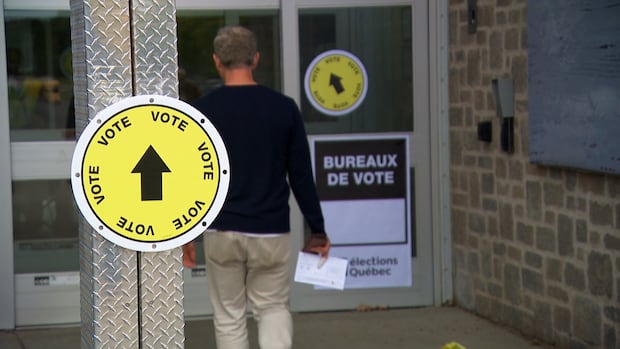
Quebec is headed to the polls, and that could mean different outcomes for next steps on Churchill Falls
Residents in Quebec are headed to the polls to elect their next government. It comes as officials in Newfoundland and Labrador hope to move forward with a new agreement on Churchill Falls electricity. But that next step could depend on who actually forms government. The CBC’s Madison Taylor explains.
With the old Churchill Falls contract expiring in 2041, Yakabuski said there aren’t many other options for a PQ government to consider.
“Developing alternatives to Churchill Falls within this time frame is very difficult,” he said. “I would suggest that the Parti Québécois would not jeopardize this deal unless it found good political reasons to do so.”
While both provinces and Ottawa set a deadline of March 31, 2027 to sign definitive agreements, the PQ has not said how it would proceed.
“There’s nothing forcing a PQ government to make a decision. In the latest agreement, there is a March 31st deadline, but the agreement itself says that can be extended. So anything’s possible,” Yakabuski said.
PQ Leader Paul St-Pierre Plamondon told reporters in September he wouldn’t axe the deal, but his party is committed to doing a due diligence review.
As for Quebec voters, Yakabuski said very few people will make their voting decision with Churchill Falls in mind.
“It’s not a central issue in the election campaign, but that doesn’t mean the fate of the agreement is not tied to the election outcome,” he said.
While it is still unclear how the Churchill Falls agreement will proceed, Newfoundland and Labrador Premier Tony Wakeham told reporters on Friday he isn’t worried.
“It has been described by the prime minister, by myself, by their former premier, as a win, win, win. I think when you look at that, that’s the kind of a deal that will stand up,” Wakeham said on Friday.
“It was interesting during their debate that at least three or four of the parties have talked about continuing on after the election was over. But it’s a wait and see, and certainly we’ll know after Monday.”
Download our free CBC News app to sign up for push alerts for CBC Newfoundland and Labrador. Sign up for our daily headlines newsletter here . Click here to visit our landing page .