

Listen to this article
Estimated 4 minutes
The audio version of this article is generated by AI-based technology. Mispronunciations can occur. We are working with our partners to continually review and improve the results.
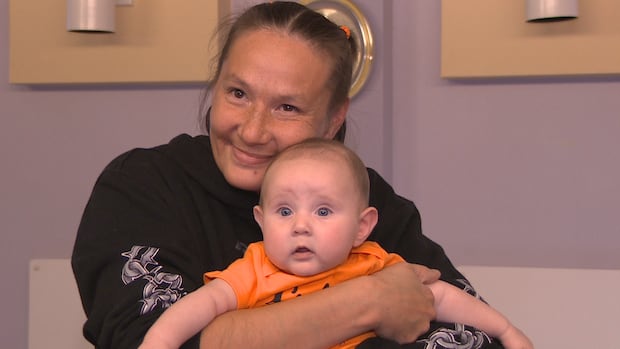
Alicia Linklater gets $416 monthly from the Canada Child Benefit, but she says almost all of that will go toward her infant daughter’s formula once she leaves a Winnipeg support program.
“Pretty much everything a baby needs, it’s gone up,” Linklater said.
Resource and support centres for families and parents echo her concerns.
Linklater is currently staying at Villa Rosa, a live-in support program for prenatal and postpartum mothers in the Wolseley neighbourhood. Its director, Carolyn Eva, said it is feeling the effects of increasing formula prices.
Villa Rosa used to get regular donations of formula, but those have dried up to the point where they’re needing funding from the province to cover costs, Eva said.
She said moms used to be required to provide their own formula and diapers for any stay longer than 30 days, but the costs of formula made them concerned that wouldn’t be possible.
“Formula needs to be the right type, the right amount. So, we made a decision to provide all formula for formula-fed babies here for the duration of the time that they live here,” Eva said.
She said donations for diapers are down from 10 donations a week to three or four.
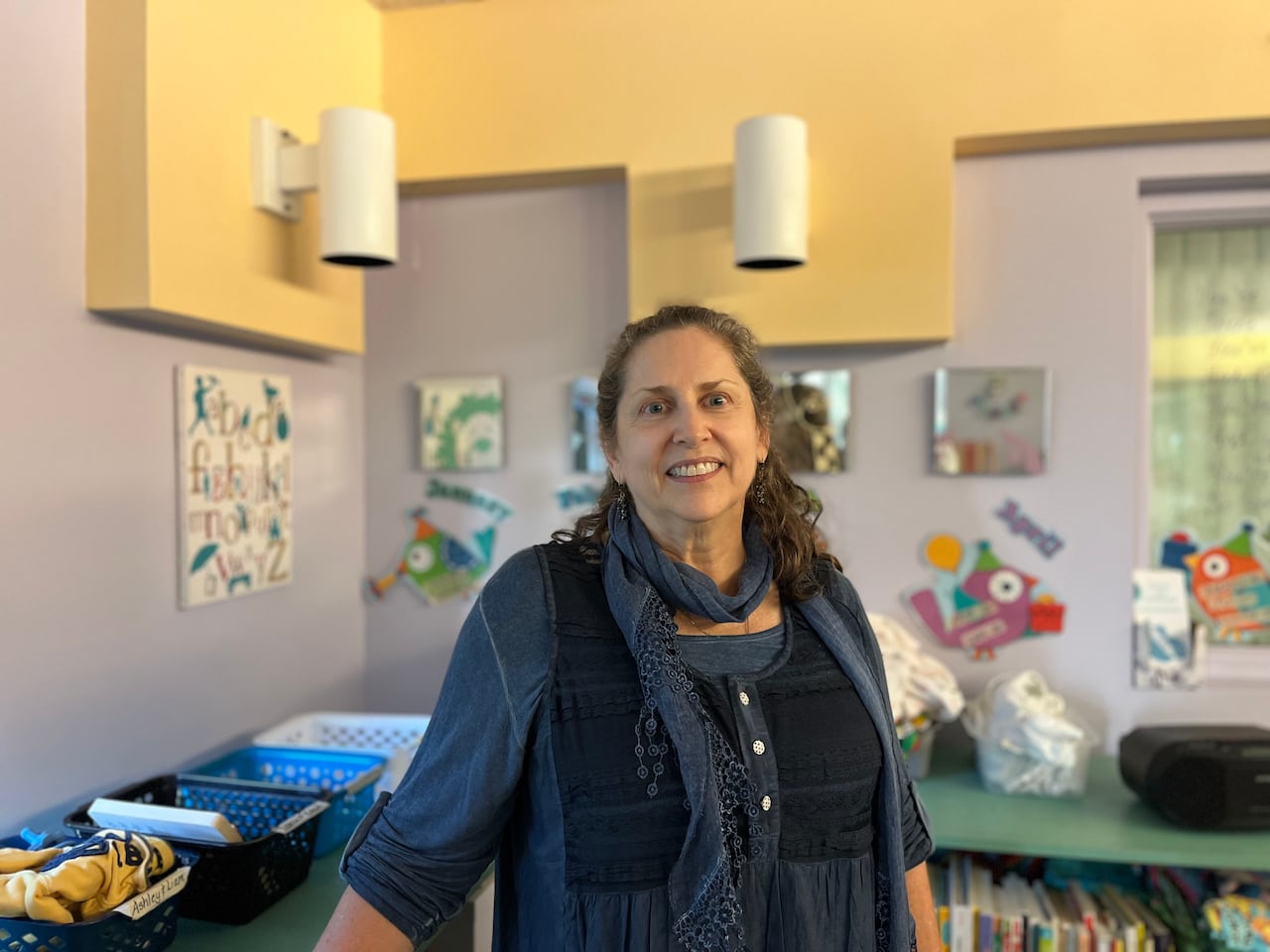
Carolyn Eva says Villa Rosa now needs funding from the province to sustain the cost of providing formula. (Alicia Wang/CBC)
The most recent data from Statistics Canada shows the cost of a 900-gram pack of infant formula has increased from $28.98 in July 2019 to $49.95 last July — a jump of 72 per cent.
Donations are also down at Acorn Family Place, which provides programming and resources for families with infants and young kids in the West Broadway area. Executive director Carey Richards said the centre often lacks sufficient donations of diapers and formula, but that formula donations in particular have dropped.
Richards said that’s happening at the same time as increased need from families.
“And so, if and when we get formula, they go off our shelves really quick.”
Richards said it’s hard enough to gather the courage to ask for support, so “to come and then ask for help and support and not be able to receive it, is heartbreaking and defeating to people.”
Inflation might be why some people are no longer in a position to donate, they said.
Richards said Acorn Family Place sometimes reaches out to partner organizations such as Villa Rosa when it doesn’t have resources and will “always try to find a way to not say no… to families.”
Even then, it’s not always enough.
“We try to share resources with one another, but those are, like, few and far between in terms of those kinds of opportunities,” Richards said
Eva said that outside the live-in program, the moms they meet in Villa Rosa’s outreach program are “struggling to make ends meet” on only social assistance.

Carey Richards of Acorn Family Place says it’s hard for people to ask for help, and it’s ‘defeating’ when they can’t get it. (Alicia Wang/CBC)
“Rents have gone up considerably. So, sometimes mums are in a position where they’re needing to use some of their food budget money to cover additional rent costs,” she said. “So, again, it’s a huge financial struggle.”
Linklater’s been at Villa Rosa since February. She said she’s anticipating difficulties when she leaves the residence, which covers costs of food and housing for mothers and their babies.
“I kind of am worried about going out there … like, how I’m gonna get by every month. It’s kind of scary,” Linklater said.
One type of her daughter’s lactose-free formula costs over $90 per pack. The next-cheapest item is still expensive, at about $72, she said.
Eva said it’s also taking longer for women to get their child tax credit — up to four months.
“The money that they get from social services, like their living expenses from employment and income assistance, has gone up slightly,” she said.
“And certainly, the amount that they can spend on rent has gone up slightly, but it has not gone up in the same proportion that the costs have gone up.”

Linklater says she’s nervous about making ends meet when she leaves Villa Rosa, a support program for prenatal and postpartum mothers. (Alicia Wang/CBC)
The Canada Child Benefit is indexed to inflation and adjusted annually to “reflect price changes experienced by Canadian consumers,” Marie-France Faucher, a federal department of finance official, said in a written statement.
Faucher added that eligible people with low or modest incomes can also receive support under the Canada Groceries and Essential Benefit.
WATCH | Donations down as costs of baby products rise: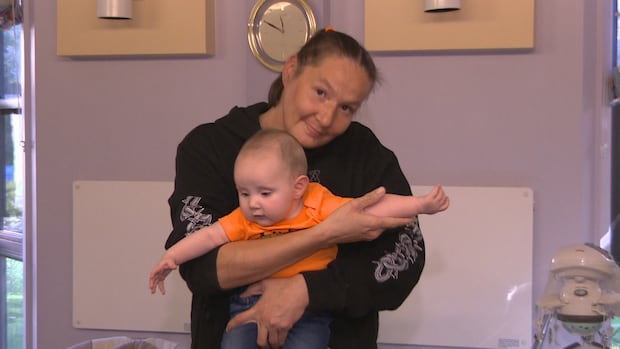
High cost of baby products reducing donations, Winnipeg advocates say
Baby products, including diapers and formula, are becoming so expensive it’s getting harder to get by, low-income parents and resource centres in Winnipeg say.