

Listen to this article
Estimated 5 minutes
The audio version of this article is generated by AI-based technology. Mispronunciations can occur. We are working with our partners to continually review and improve the results.
A New Brunswick health official is defending the province’s rollout of collaborative care clinics following an audit last week that found there was a lack of data in their rollout.
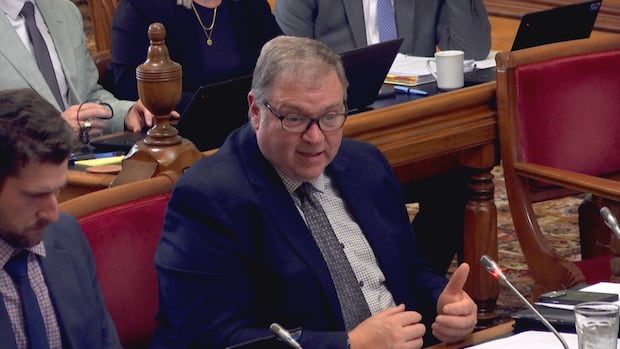
“The analogy I would use is the house was on fire. There were patients within that house. We did not take the time to analyze how much water is it going to take to put the fire out. We took action right away,” said deputy health minister Eric Beaulieu at a legislative committee on Wednesday.
“There’s not a single one of the collaborative care clinics that have been implemented in this province that are not serving a strong purpose within those communities.”
Beaulieau said it’s ideal to have a complete plan before moving forward but said too many people in the province don’t have primary care.
Asked by Liberal MLA Marco LeBlanc if the department feels it implemented the clinics in the right way, Beaulieu said he doesn’t think anyone in the department regrets how they took action.
He said the department continues to work with the health authorities to get a complete profile of what the needs are in each community.
Premier Susan Holt used the collaborative care clinics as a major cornerstone of her election campaign, promising 30 of them across the province before 2028. The province has announced 19 of them so far.
Last week, Auditor General Paul Martin released a report that found that it wasn’t clear whether the Department of Health chose the right locations, nor how many patients were being taken off waitlists.
Martin went on to say that there were gaps in data on cost analysis, performance monitoring and patient attachment numbers, which limited the department’s ability to assess how successful the clinics were.
WATCH | The house was on fire’: Liberals wanted fast action on clinics: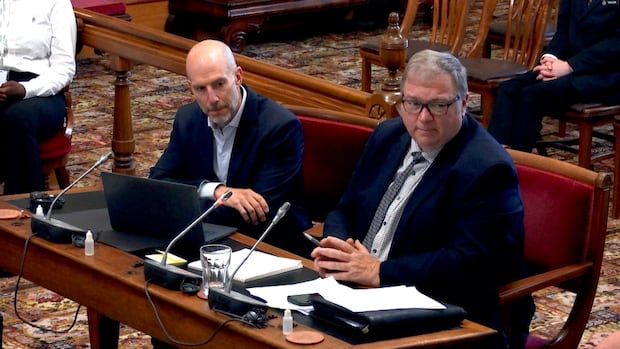
N.B. health officials defend rushing clinics without a plan
New Brunswick’s deputy health minister told a committee of MLAs that the government wanted to move quickly in rolling out collaborative care clinics before a full costing was ready.
“The recommendation from the auditor general we take seriously because we know we have a lot of work to do to build a full complement of those collaborative care teams,” Beaulieu said Wednesday.
Beaulieu said the two major components of the cost of the clinics is the compensation model for physicians, which is based on how many patients they serve, and a cost of infrastructure, which he said was more ambiguous.
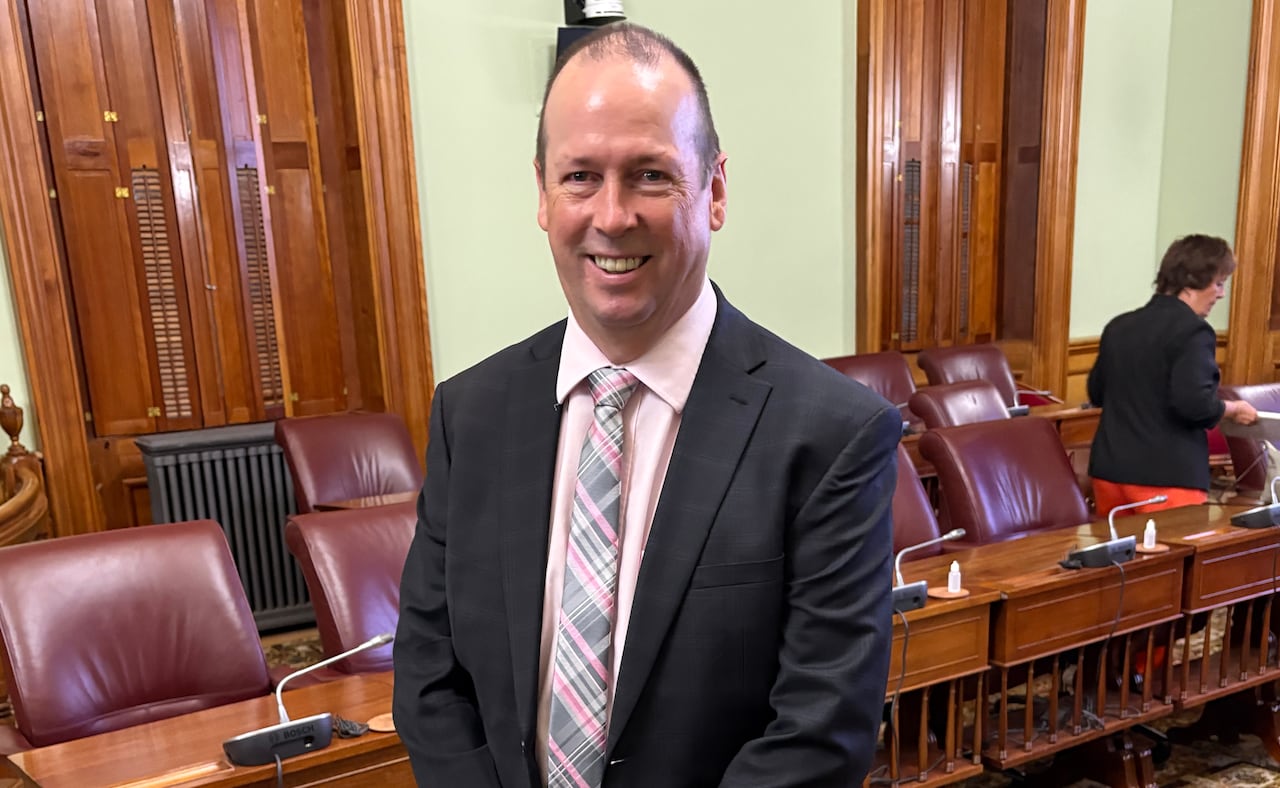
New Brunswick Auditor General Paul Martin said the Health Department couldn’t provide any data or reasoning for why the 14 locations for clinics were chosen. (Jacques Poitras/CBC)
That means it’s unlikely that any two clinics would have exactly the same team makeup or cost, he said.
“Obviously if we need a clinic in Woodstock, it’s very different than a clinic in downtown Fredericton, the cost of construction, the cost of leasing, if there’s available facilities.”
Beaulieu also noted that the makeup of a clinic team can evolve over time as populations and health needs change for certain areas.
Progressive Conservative health critic Bill Hogan asked how the department developed a budget without having a range of what the clinics would cost.
Beaulieu said the department initially focused on the first 14 clinics and said the health authorities were aware of what facilities existed in each community.
The department was able to budget for the first and second years based on that, and now it’s year by year in terms of “implementing and solving the primary care crisis in specific zones of the province,” Beaulieu said.
The target panel size, the number of patients assigned to a provider, is 1,400 patients for a full-time physician, but Beaulieu said the average attachment rate is about 1,100 right now.
Describing it as a careful balancing act, Beaulieau said if all physicians were told to attach 1,400 patients, that would leave other areas like emergency rooms understaffed.
He said the department is seeing less people coming into emergency rooms with minor ailments that can be treated by a primary care doctor, which he said is indicative of more people going to clinics or pharmacists.
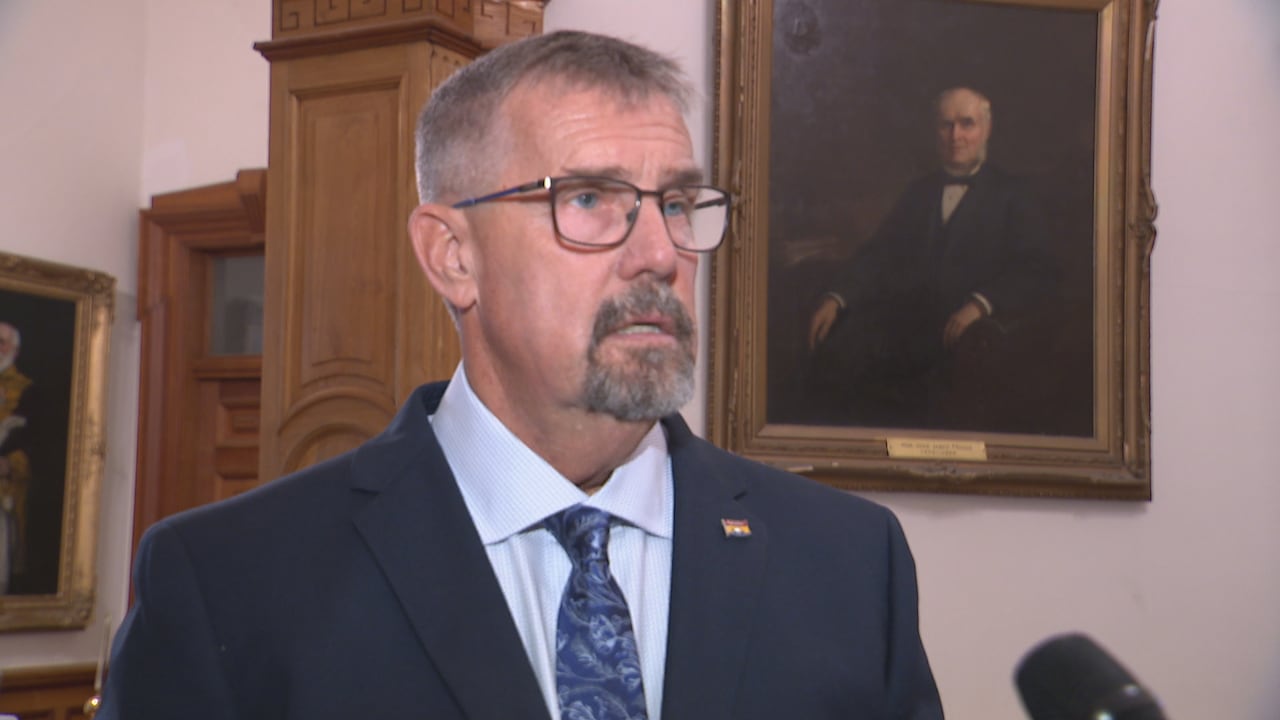
Progressive Conservative health critic Bill Hogan said he has concerns about budgeting for the clinics without a clear plan. (Megan Goddard/CBC)
Asked if the department currently has a list of communities that need a clinic, Beaulieu said the health authorities are mandated to identify the areas of higher needs and where there’s willing physicians to join the collaborative approach.
Speaking to CBC News after the committee, Green Party Leader David Coon said he’s concerned the department doesn’t have a full plan following the report.
“I was disappointed that the deputy minister didn’t say they’re working on a plan. He just said he wished they had a plan,” Coon said.
He said the system right now is based too much on voluntary initiatives by physicians or nurse practitioners to agree to be part of a clinic.
“And that’s going to leave serious gaps across the province that will go unfilled unless the Department of Health has a plan to put Horizon or Vitalité clinics in those areas where the gaps are there,” Coon said.
Hogan said Beaulieu’s explanation for why there wasn’t a full plan was “pretty honest.”
“They’re trying to rush it, meet the health-care needs and meet the campaign promises of the Holt government.”
Hogan said he has concerns about budgeting for the clinics without a clear plan as well as how many new patients are really being added with the clinics.
“I think they are a good idea. They’ve been around for quite a while and they work well in the communities where they’re in and up and running. But I think that the new ones that we want to establish should truly be new ones.”
Hogan has previously questioned the government for counting expanded clinics as new ones.