

Listen to this article
Estimated 4 minutes
The audio version of this article is generated by AI-based technology. Mispronunciations can occur. We are working with our partners to continually review and improve the results.
Public Health Sudbury & Districts (PHSD) is warning the public this autumn about the risk of blastomycosis — a rare but possibly serious lung infection.
Blastomycosis is contracted by breathing in spores from a fungus called blastomyces, which lives in the soil, as well as fallen leaves and logs, said Dr. Emily Groot, PHSD’s associate medical officer of health.
“It’s common in northern Ontario, especially northwestern Ontario and Manitoulin Island,” Groot said. “That fungus prefers damp soil near waterways and it likes acidic soil. So all those coniferous trees acidify the soil in our region and means the fungus can grow almost anywhere.”
Groot said no one should let the risk of infection “stop you from enjoying the beautiful outdoors of our region — I think that’s why many of us live here.” But she said they should know what symptoms to look for and tell their doctor about.
So far this year, there have been six cases in the PHSD region, which is “pretty typical,” according to Groot.
Season and symptoms
Not every case of the infection is severe; some people may inhale the spores and never know it, Groot told CBC News. Others may get symptoms (akin to what you’d experience if you had pneumonia or a cold) but their immune systems are able to fight it off.
But it’s possible for the infection to become more serious, disseminate into other organs, and affect the central nervous system, said Mazen Saleh, a professor in Laurentian University’s school of natural sciences.
“The advanced stages of the infection, if untreated, these can become quite serious and, in fact, it can be fatal,” Saleh said.
Saleh said it’s important for more people to be aware of the infection, noting that public health authorities do a good job at sending out alerts, “but it’s difficult for them to ensure that it reaches everyone. It depends on individuals.”
Groot and Saleh both said people can protect themselves by wearing a mask while doing activities like gardening, hiking or construction work.
But if you have the infection, the best protection is catching it early, Groot said, adding that the symptoms can take up to three months to appear.
“If you do have what appears to be pneumonia that isn’t resolving with standard care, let your healthcare provider know about any exposures you might have had to soil, leaves, decaying wood, outdoor activities,” she said.
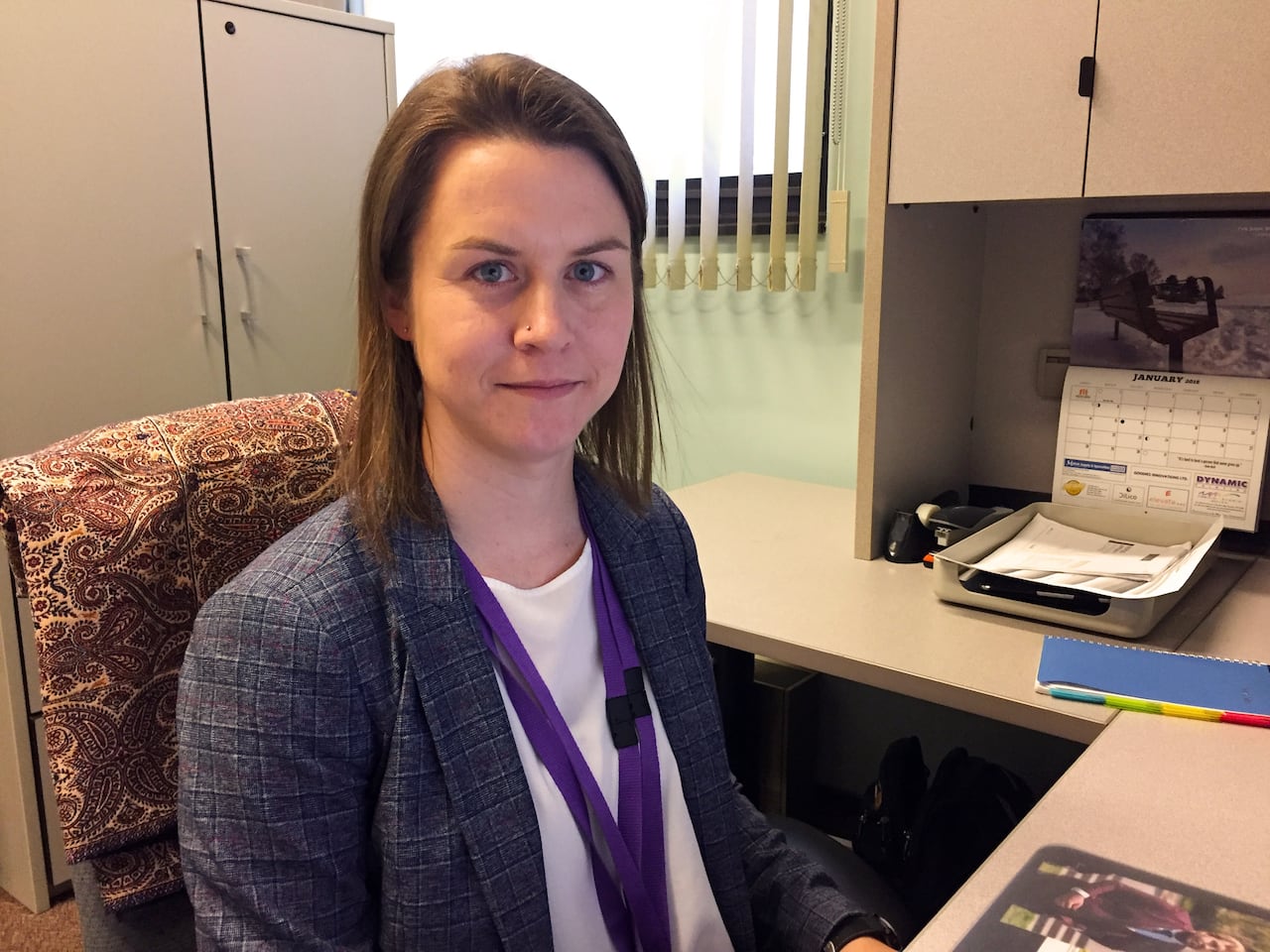
Dr. Emily Groot, associate medical officer of health with Public Health Sudbury & Districts, says you can’t see the fungus that causes blastomycosis, so some people inhale the spores and never know it. (Thunder Bay District Health Unit)
Constance Lake First Nation outbreak
One outbreak of blastomycosis between November 2021 and January 2022 in Constance Lake First Nation ultimately killed five people.
Last year, a coroner’s jury delivered 79 recommendations aimed at preventing similar deaths. Constance Lake First Nation does not fall within PHSD’s region, but the recommendations were sent to local public health agencies across Ontario, Groot said.
Groot said PHSD accepted the recommendations and responded to the Office of the Chief Coroner in July with a plan to implement them.
“I’m really excited about this work,” she said, but acknowledged that “it’s difficult to have some of this work arise from such a challenging and sad circumstances.”
She specifically highlighted an Indigenous data soveriegnty project that PHSD is working on, which she said would help them “understand whether, when, or how to collect and use Indigenous health data to direct the work we do in a culturally safe way, which I think is really positive.”