
Carlos Sainz regards a working cooling vest as one of Williams’s better developments this season. Isack Hadjar regards the whole idea as something Formula 1 could do without.
Those contrasting views have sharpened the debate in Singapore, where the FIA declared a Heat Hazard for the weekend. The liquid-cooling systems offer relief from cockpit heat, but their effectiveness and the drivers’ willingness to wear them vary considerably.
If there’s one thing we’ve developed well as a team this year, it’s the cooling vest, said Sainz. It has undoubtedly made life more comfortable for Alex and me inside the car, and we’re delighted to have it.
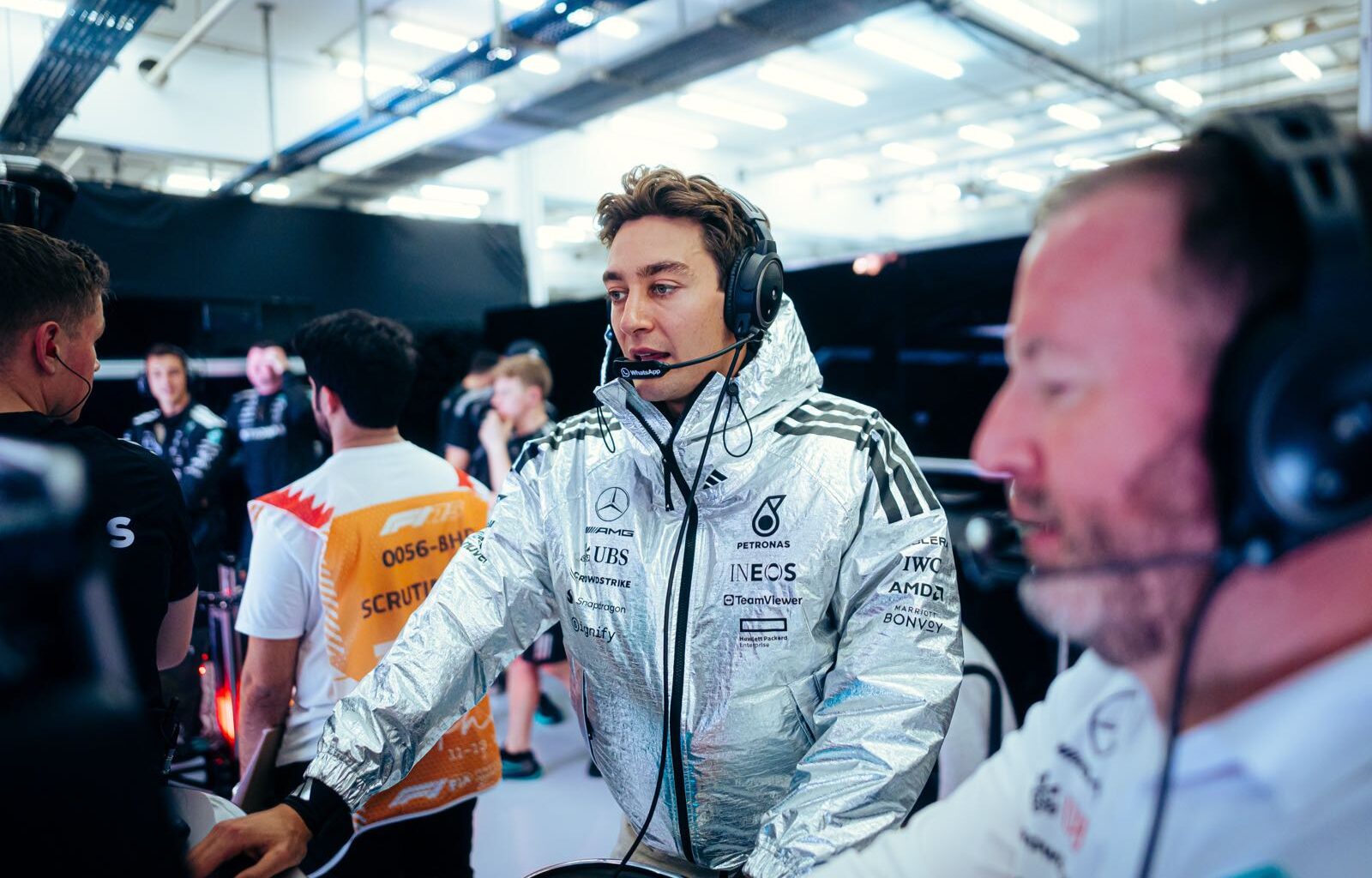
The Williams driver said his team had made the system a priority. George Russell, meanwhile, wants Mercedes to produce something he can trust over a race distance.
There is an important correction to the financial argument. Russell acknowledged in comments reported by The Race on Thursday that he had been wrong to suggest the system’s costs sat inside the cost cap: they are already excluded. His remaining concern is the engineering and manufacturing staff required, who are then unavailable for other work.
It is a question of resources and reliability, rather than a new request to exempt cooling costs.
Sainz’s view is that teams have choices to make about their priorities. Fernando Alonso similarly believes improving the equipment is a job for the teams, not something the FIA should solve for them.
Hadjar takes a more basic position.
I think it should be banned, said the Red Bull driver. Asked why, he replied: It’s supposed to be tough.
Teammate Max Verstappen also sees little benefit, and dislikes the restrictions imposed by the connections inside the cockpit.
For me, it’s not needed, he said. You have all these stupid cables in your car, so you’re just limiting your movement as well.
Charles Leclerc is more pragmatic. Even a system that does not last the full distance can provide worthwhile relief.
It works pretty well for 15 or 20 laps, he said. But at least I get some benefit from it for 15 or 20 laps. I’m grateful for that.
The disagreement is not just about how much discomfort a driver should accept. Until the systems are consistently effective, the same equipment can be a useful aid to one driver and an unwanted complication to another.