
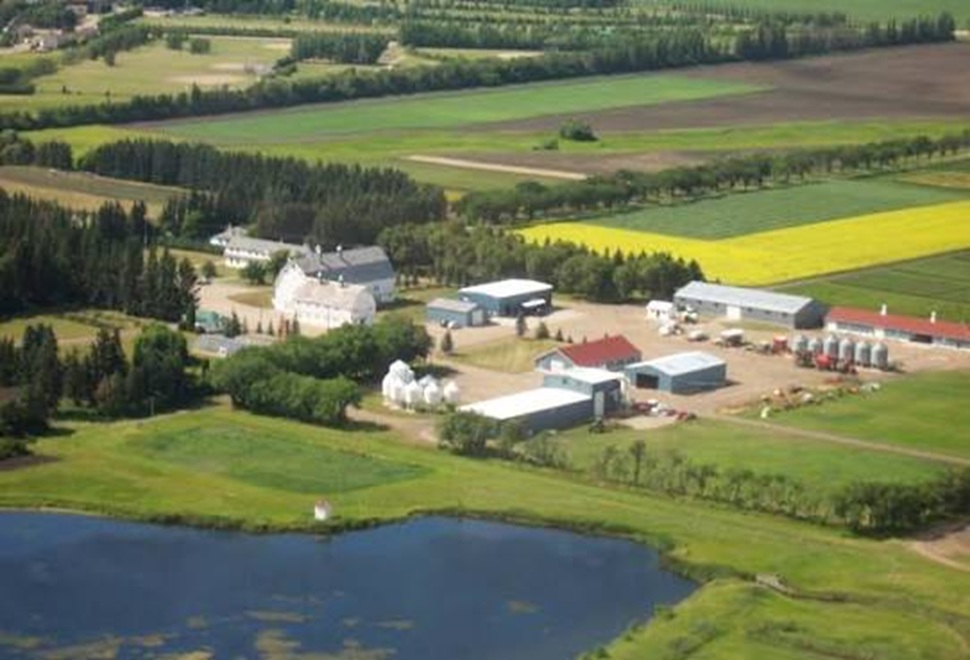
The federal government is introducing a one-year transition period before moving its Seed Increase Unit from Indian Head to Saskatoon, allowing seed production operations to continue at both facilities during the 2027 growing season.
Agriculture and Agri-Food Canada (AAFC) confirmed the revised timeline Oct. 2, announcing that the Seed Increase Unit will maintain full field operations at the Indian Head Research Farm next year while gradually transferring activities to the Saskatoon Research and Development Centre.
The transition follows the federal government’s decision to close the Indian Head Research Farm as part of its Comprehensive Expenditure Review.
The Seed Increase Unit is now scheduled to complete its move to Saskatoon in 2028.
Federal officials say the additional transition year is intended to maintain seed production capacity, meet industry demand and ensure continuity in Canada’s pedigreed seed system.
Indian Head to maintain full operations in 2027
Under the revised plan, the Indian Head Research Farm will continue operating at full field capacity for all crops during the 2027 growing season, including wheat and forage crops.
Seed processing and storage will also remain centred at Indian Head throughout the transition year.
At the same time, the Saskatoon Research and Development Centre will begin field operations involving oats, barley, triticale, fall rye and peas.
Wheat and forage seed production will remain exclusively at Indian Head during 2027.
Seed processing for crops grown at the Saskatoon facility will take place there, while storage will continue at Indian Head.
The arrangement will allow both facilities to operate simultaneously as the federal government prepares to consolidate the Seed Increase Unit’s activities in Saskatoon.
Related Stories:
Protecting Canada’s seed production system
The Seed Increase Unit plays a role in producing breeder seed, which is used in the development and multiplication of pedigreed seed varieties for commercial agriculture.
Maintaining the integrity and availability of breeder seed is important for seed growers, plant breeders and producers who rely on certified varieties.
Agriculture and Agri-Food Canada says the transition will be managed to ensure breeder seed requests continue to be fulfilled and established pedigreed seed standards are maintained.
Federal Agriculture and Agri-Food Minister Heath MacDonald said the government recognizes the importance of the seed sector to Canada’s agricultural economy.
“The Government of Canada is continually looking for ways to better collaborate and enhance the country’s research and innovation activities,” MacDonald said.
“AAFC understands the economic value of the Canadian seed sector and remains committed to ensuring the Seed Increase Unit meets the high standards of pedigree seed production.”
Research farm closure prompts transition
The planned relocation comes as the federal government moves forward with the closure of the Indian Head Research Farm under its broader spending review.
The facility has been part of Saskatchewan’s agricultural research network, supporting work connected to crop development and seed production.
Moving the Seed Increase Unit to Saskatoon represents a change in how those operations will be delivered.
However, the federal government says it continues to work with the Saskatchewan government to explore options that could maintain agricultural activities at Indian Head.
A memorandum of understanding between the two governments is intended to examine potential approaches for ensuring continuity of agricultural work at the site.
The Oct. 2 announcement did not identify which activities, if any, could remain at Indian Head beyond the transition period.
Implications for Saskatchewan producers
The relocation is relevant to Saskatchewan’s seed industry and grain producers, including those in west-central Saskatchewan who depend on the continued development and availability of high-quality crop varieties.
Research and seed multiplication programs help support the introduction of improved varieties with characteristics such as disease resistance, yield potential and adaptation to Prairie growing conditions.
The federal government says its priority during the transition will be maintaining production capacity and ensuring the Canadian seed sector continues to receive the materials required for pedigreed seed development.
The decision to maintain operations at Indian Head through 2027 provides an additional growing season before the Seed Increase Unit is fully transferred.
Full relocation scheduled for 2028
Agriculture and Agri-Food Canada says the Saskatoon Research and Development Centre will assume full responsibility for the Seed Increase Unit in 2028.
In the meantime, the department will continue collaborating with provincial governments, industry organizations, academic institutions and other research partners.
The federal government says the transition is part of its broader efforts to strengthen agricultural research and innovation while maintaining support for Canada’s seed industry.
Further details about the future of agricultural operations at Indian Head beyond 2027 have not been announced.