
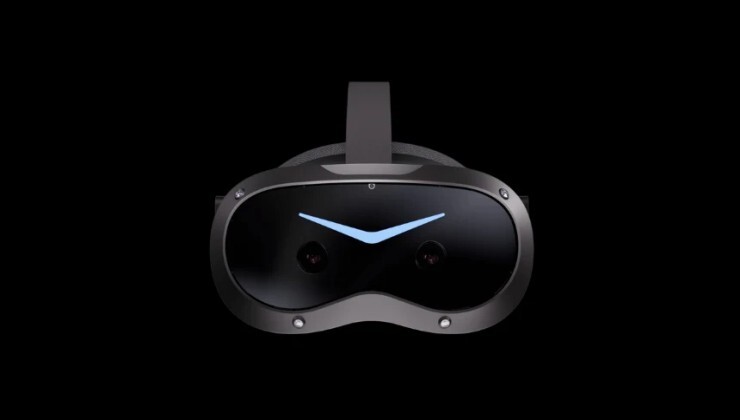
Pimax recently revealed a new high-end VR kit, along with their own version of a Steam Machine, and they plan better Linux support overall.
In an email to GamingOnLinux, they said “Hi Liam, Pimax Play is coming to Linux as a dedicated client and it is being developed now”. What is Pimax Play? That’s their dedicated software client that powers all the Pimax VR headsets. So eventually they will be plug and play on your favourite Linux distribution.
During a recent event they announced the new Pimax Crystal Pro, their new high-end kit with “Native Foveated Streaming”.
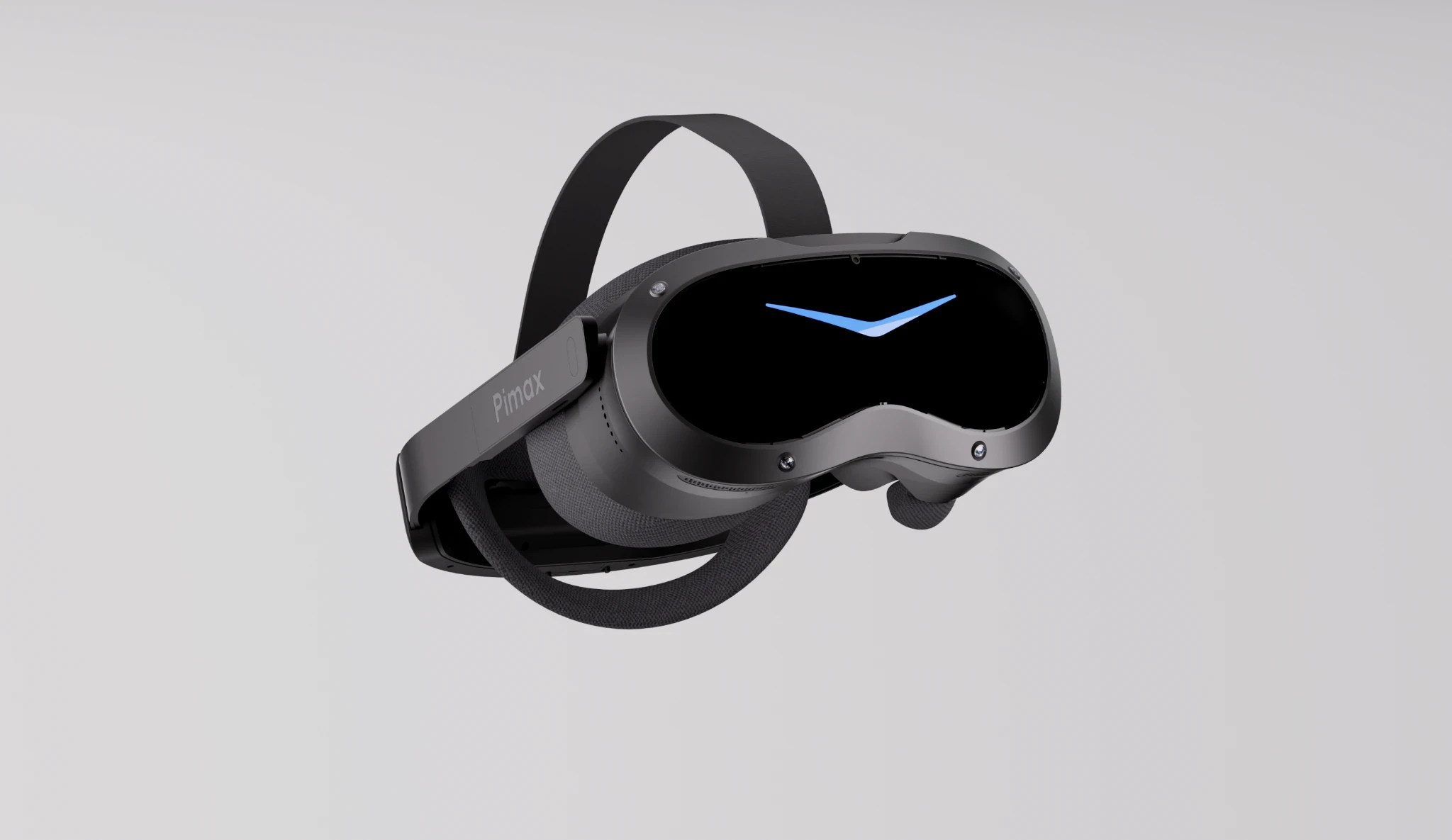
Some key specifications they sent over to GamingOnLinux:
Wireless (included): Built-in Wi-Fi streaming plus a dedicated Wi-Fi 6E adapter, both in the box.
60G AirLink (optional upgrade): The third-generation kit includes two headset antennas, two Room Antennas, and two USB-C cables. The Room Antennas work in a 2×2 MIMO configuration; Pimax states this is the first 60GHz 2×2 MIMO wireless link on a VR headset. The two antennas back each other up if one is briefly blocked, and split the data stream for more bandwidth than a single-antenna system. Combined throughput is up to 6 Gbps, delivering an image equivalent to 2880 x 2880 pixels per eye in the user’s focus area, without video encoding. Pimax states added latency from the kit is under 2 milliseconds. As with other 60GHz wireless systems, the signal does not pass through walls.
Optics and display: Aspheric glass lenses paired with quantum-dot LCD (QLED) display panels at 2880 x 2880 pixels per eye (~17 million pixels total), a 110° horizontal field of view, 35 pixels per degree, refresh rates of 72/90/120Hz, Mini-LED local dimming with 576 zones per eye, and 200 nits of brightness.
Eye-tracking: Integrated Omnivision eye-tracking with ten infrared emitters per eye, sampling at 120Hz, used for both dynamic foveated rendering and, with the 60G AirLink kit installed, foveated streaming.
Tracking: Pimax SLAM 2.0 inside-out tracking, combining four cameras, a motion sensor, and infrared illumination for low-light tracking. A swappable faceplate adds optional Lighthouse base-station support; an optional MR faceplate adds full-color passthrough with LiDAR depth sensing.
Power and connectivity: No battery is built into the headset; power is supplied by the included 16,000mAh external battery pack. An optional DisplayPort 1.4a cable connection is also available for wired PC VR use.
Comfort: A rigid backstrap design, a magnetically attached facemask and foam interface, adjustable eye relief, three remappable buttons, three microphones, and off-ear speakers, with optional DMAS 2.0 earphones.
Modularity: Swappable faceplate, backstrap, audio components, and lens inserts.
No shipping dates were said but they did give pricing:
Pimax Crystal Pro: $1,399 USD.
Pimax Crystal Pro with 60G AirLink (third generation): $1,899 USD.
60G AirLink kit (third generation), sold separately: $599 USD.
Additionally they announced the Pimax Spation, their own version of a Steam Machine, which they said will support both Windows and SteamOS.
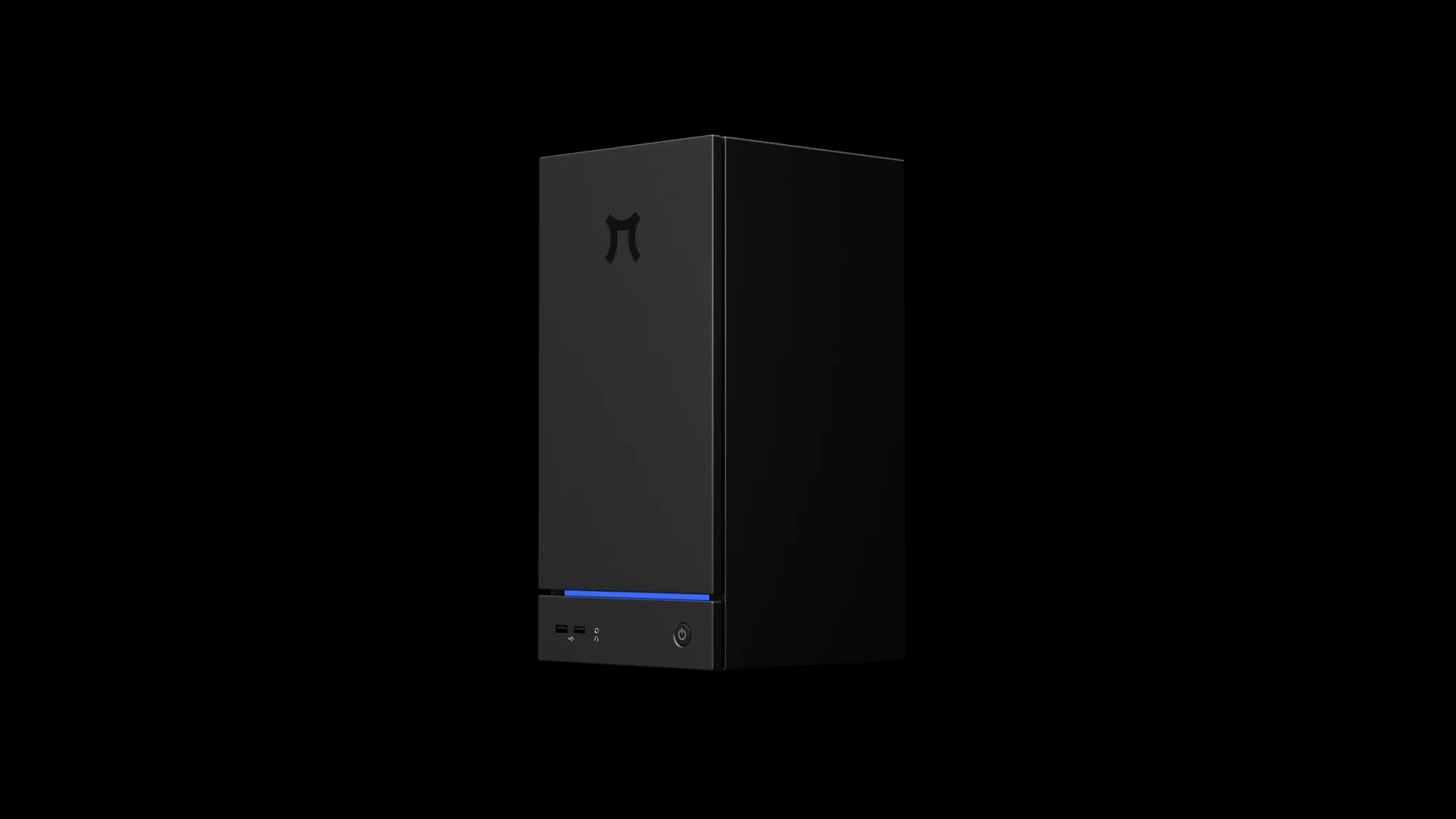
More info – it’s using desktop-class CPU and GPU components, in a chassis smaller than a typical tower PC. The standard configuration pairs an AMD Ryzen 7 9800X3D CPU (or equivalent) with an AMD RX 9070 XT or Nvidia RTX 5070 Ti GPU, 32GB of DDR5-6000 memory and a 1TB M.2 NVMe SSD, powered by a 1000W SFX power supply. A DIY option is also planned to let you bring your own storage memory and GPU.
Connectivity includes Wi-Fi 7, Bluetooth 5.4 and 2.5G Ethernet. Display outputs are two DisplayPort 2.1, one HDMI 2.1 and one USB-C DisplayPort 1.4a, alongside one USB4 port and six USB 3.2 Gen 2 ports.
A price or release date weren’t mentioned.
Article taken from GamingOnLinux.com.