
Floyd Brenz., Philippine Canadian Inquirer
October 13, 2026
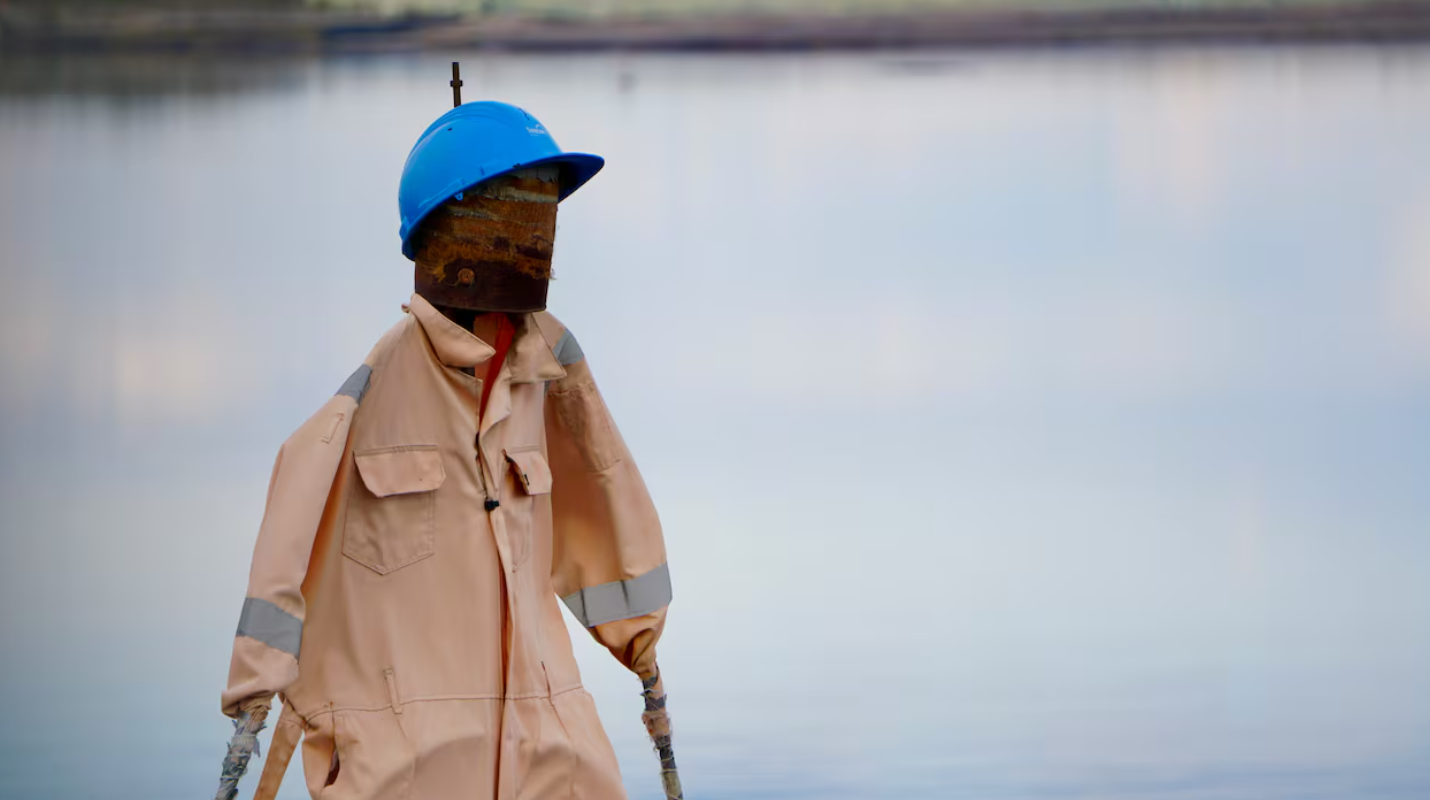
Photo Courtesy: CBC News
Canada’s push to expand oil exports is renewing pressure on the federal government to address a growing environmental challenge in northern Alberta, where decades of oilsands mining have left massive volumes of contaminated wastewater stored in tailings ponds.
Prime Minister Mark Carney’s decision to fast-track a proposed pipeline to the West Coast has added urgency to the issue as Alberta seeks to double its crude oil production. But expanding output could further intensify concerns over how the industry will manage its growing waste.
For nearly six decades, oilsands operations have been prohibited from releasing tailings water into the environment. The result is an accumulation of industrial wastewater containing contaminants that can harm wildlife and raise concerns among communities living near the mining operations.
The scale of the problem is enormous. The accumulated fluid is equivalent to roughly 600,000 Olympic-sized swimming pools, covering an area comparable to the Island of Montreal beneath three metres of water.
Data from the Alberta Energy Regulator show that the volume of tailings fluid increased by 50 per cent between 2014 and 2024, highlighting the challenge facing an industry whose production ambitions continue to grow.
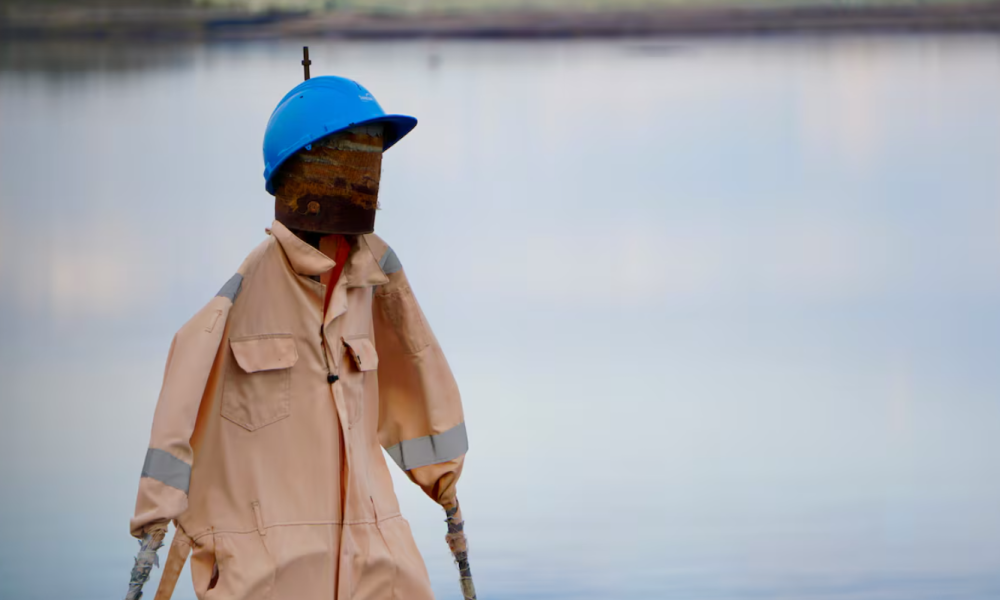
Wildlife protection remains a visible concern around the ponds. Air cannons regularly fire to scare away birds and ducks, while makeshift scarecrows dressed in work clothes and hard hats are used to discourage animals from landing on the contaminated water.
With existing storage facilities approaching capacity, oil companies are pushing for regulations that would allow treated wastewater to be released into the environment. Indigenous leaders and other stakeholders, however, remain concerned about the potential consequences for waterways, wildlife and communities downstream.
Alberta Environment Minister Grant Hunter said building more storage ponds is not a sustainable long-term answer. He argued that governments and industry need scientific evidence to establish whether wastewater can be treated to a standard that would permit its safe release.
The provincial government plans to outline its proposed water-quality standards by the end of the year. However, because waterways fall under federal jurisdiction, Ottawa will ultimately have to decide whether to adopt the proposed rules, revise them or maintain the existing prohibition.
Industry representatives say they already have the technology and expertise needed to treat the wastewater, but require clear regulatory standards before moving forward. They also argue that treating and releasing the fluid is essential to reclaiming mining sites and restoring the landscape.
Suncor Energy vice-president Claire Greenwood said the company intends to turn its tailings facilities into reclaimed land rather than leave them as permanent features of the region. She described treatment and release as critical to achieving large-scale reclamation.
The proposed approach would involve discharging treated water into the Athabasca River, which flows north from the oilsands region through areas inhabited by Indigenous communities before reaching the Northwest Territories and eventually draining into the Arctic Ocean.
That prospect has made the debate particularly significant for people whose lives and livelihoods are closely connected to the river.
Lenny Hansen, a retired oilsands worker who spent 33 years in the industry, has long relied on the Athabasca River for fishing and now works as a boat tour guide. A member of the Fort McMurray Métis District 17, Hansen supports the treatment-and-release proposal, saying he has seen the processes involved and believes they can work.
Still, the proposal raises broader questions about how wastewater quality will be measured, what safeguards will be required and how downstream communities will be protected.
As Canada considers expanding its oil-export capacity, Ottawa faces a decision that could shape both the future of oilsands development and the environmental legacy of mining in northern Alberta. The challenge is no longer simply how to produce more oil, but how to manage the industrial waste already accumulated—and determine whether any treated wastewater can be safely returned to the natural environment.