
Tuesday is a pretty damn big day for cycling in Toronto. There’s a large protest later in the day to protest or disrupt bike lane removal in the west part of town, but cycling advocates are also planning to launch another legal action.
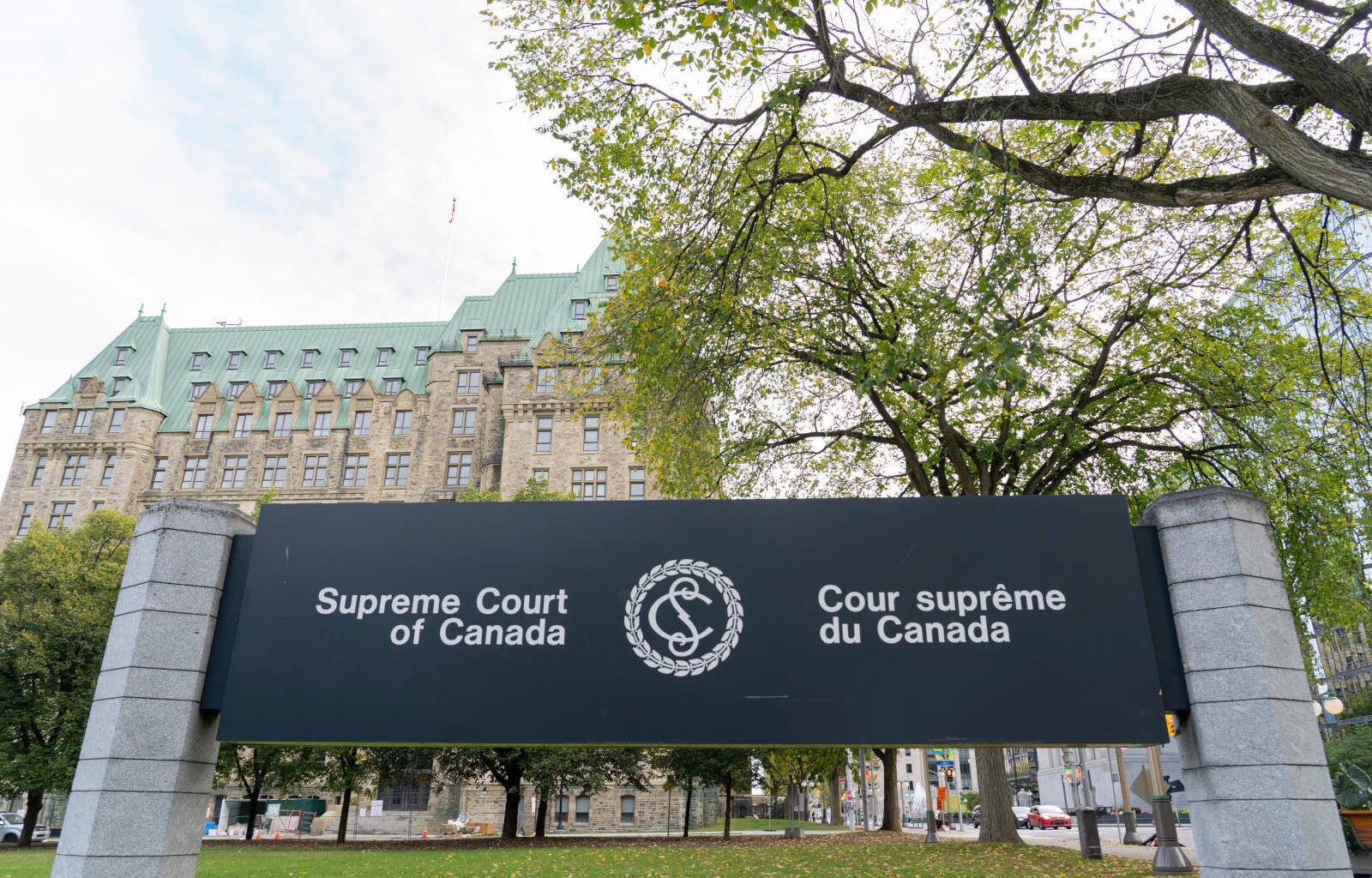
Cycling advocates announced today they are taking their fight to Canada’s highest court after Ontario’s Court of Appeal overturned a lower court ruling that found the Ford government’s bike lane removal law unconstitutional.
The next moves
Cycle Toronto, along with applicants Eva Stanger-Ross and Narada Kiondo, announced Tuesday they would seek leave to appeal to the Supreme Court of Canada. The group is represented by lawyers from Ecojustice and Paliare Roland Rosenberg Rothstein LLP.
The move comes as the province prepares to remove protected bike lanes on Bloor Street West in Etobicoke. This was despite Toronto Mayor Olivia Chow’s offer to restore car lanes while keeping the cycling infrastructure.
The group argued–as it has been since this whole thing began back in 2024, that removing protected lanes puts lives at risk. A government-commissioned report found the removals could increase collisions by 54 per cent among all road users, without meaningfully reducing congestion.
The importance of protected bike lanes
In the past decade, 28 people have been killed and 380 seriously injured while cycling in Toronto. And the rub? Most of those happened on streets without protected cycling infrastructure, according to the groups.
The appeal also raises broader questions about how the Charter of Rights and Freedoms applies to government decisions that could put people’s lives at risk.
“The consequences of this case reach far beyond cyclists,” Bronwyn Roe, Ecojustice’s program director for healthy communities, said. “This case is about the scope of the protections provided by Section 7 of the Charter to everyone’s rights to life and security of the person.”
Cycle Toronto executive director Michael Longfield said the province’s plans would put people at risk and argued that side streets could not replace the 19 km of protected bike lanes on Bloor, Yonge and University.
He also criticized Premier Doug Ford for rejecting Chow’s proposal to retain the Etobicoke bike lanes while restoring car lanes. He said the decision undermined the government’s argument that its approach was about “balance” or “common sense.”
The Supreme Court
Andrew Lewis, a partner at Paliare Roland Rosenberg Rothstein LLP, said the applicants hoped the Supreme Court would consider whether “common sense” could prevail over uncontested engineering evidence in a Charter case.
The Supreme Court must first agree to hear the appeal. If it does, the case could clarify when government policy decisions are subject to Charter scrutiny, with implications beyond Toronto’s cycling network. But that’s a big ole TBD.
The big question is whether or not the higher court will listen. But in the meantime, you can learn more about tonight’s protests below. If you’re not local or can’t make it, be sure to check the Canadian Cycling Magazine Instagram page, as we will be on the scene.
Toronto cyclists to gather as Bloor bike lane removals set to begin