
New global surveillance data reveal dramatic increases in reported bluetongue and West Nile fever events, raising concerns about climate change, expanding disease territories, and the future of animal health.
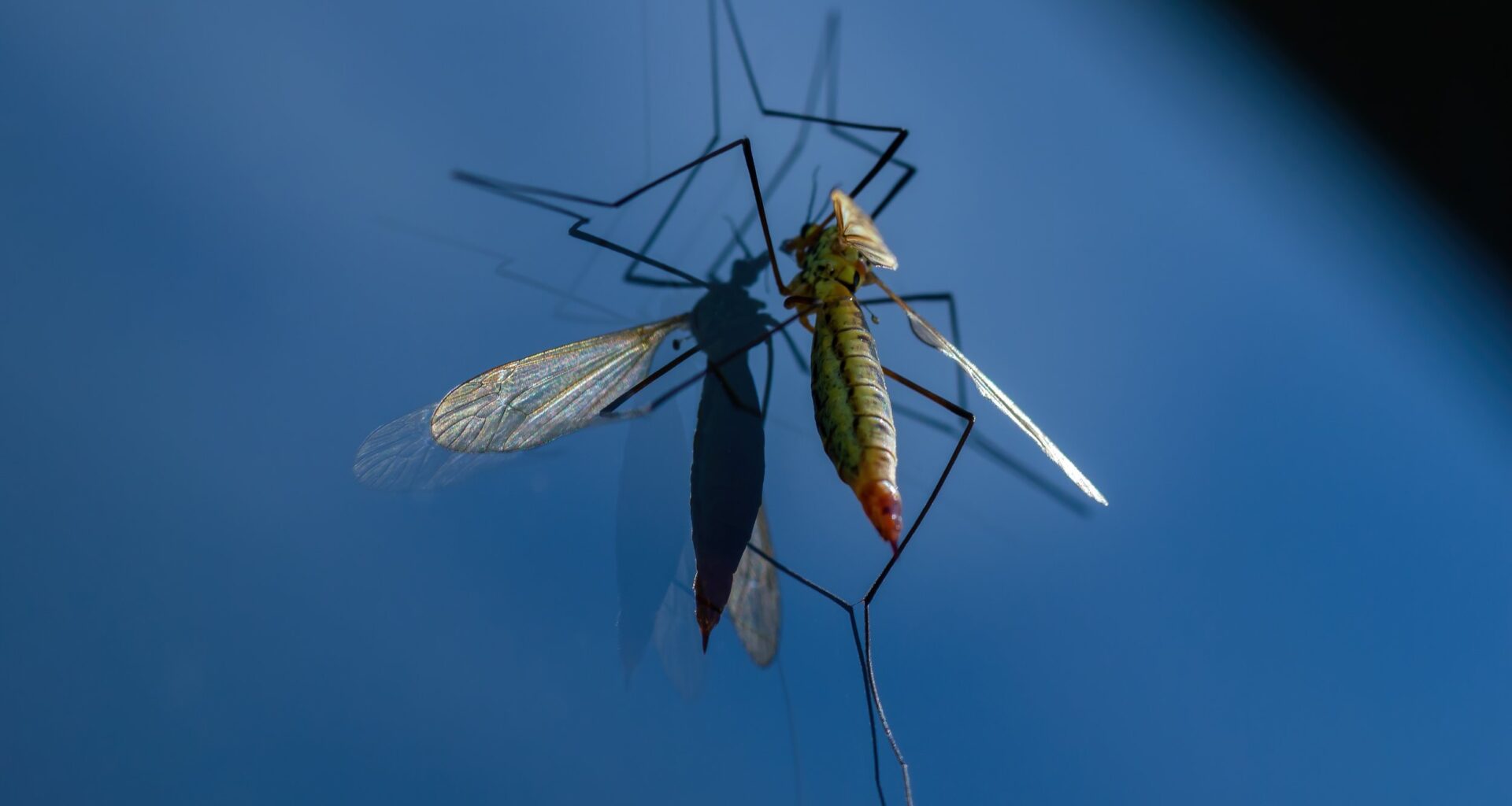
The world’s disease map is changing, and veterinarians are being urged to pay attention. From biting midges carrying bluetongue virus across Europe to mosquitoes spreading West Nile fever, vector-borne diseases are emerging in new regions, creating growing challenges for animal health professionals, livestock producers, and public health officials.
The World Organisation for Animal Health (WOAH) issued a warning on October 9, 2026, calling for stronger disease surveillance, earlier detection, and better international cooperation as reports of several vector-borne diseases continue to climb.
An analysis of information submitted through the World Animal Health Information System (WAHIS) reveals a particularly striking increase in reported exceptional epidemiological events since 2023. The findings suggest that shifting environmental conditions, changing vector populations, and animal movements are reshaping where certain infectious diseases can spread.
For veterinarians, the message is increasingly clear: diseases once associated with specific geographic regions may no longer stay within their traditional boundaries.
Bluetongue Reports Have More Than Quadrupled
One of the most significant developments involves bluetongue, a viral disease affecting domestic and wild ruminants, including sheep, cattle, and goats. The disease is transmitted primarily through infected biting midges and can cause substantial economic losses for livestock producers.
According to WOAH, the average number of reported exceptional bluetongue events increased from 9.1 annually between 2015 and 2022 to 38 annually during 2023–2025.
Much of that increase has been associated with the introduction of bluetongue virus serotype 3 (BTV-3) into northwestern Europe beginning in autumn 2023. Since 2022, Europe has accounted for the overwhelming majority of reported bluetongue outbreaks.
The sharp increase highlights how quickly a newly introduced viral serotype can alter regional disease patterns, particularly when susceptible animal populations and competent insect vectors are present.
For food animal veterinarians, the implications extend beyond managing clinical illness. Bluetongue can affect animal productivity, livestock movements, international trade, and the economics of entire agricultural communities.
West Nile Fever Reports Show an Even Bigger Jump
West Nile fever is another major concern. WOAH’s analysis found that reported exceptional epidemiological events increased from an average of eight annually during 2015–2022 to 55 annually between 2023 and 2025.
The mosquito-borne virus can affect birds, horses, and humans. Although many infections are asymptomatic, severe neurological disease can occur, making West Nile virus an important concern for veterinary medicine and public health.
The increase in reported events reinforces the importance of surveillance in regions where mosquito populations and environmental conditions may favor transmission. It also raises concerns about the potential for continued geographic expansion into areas that previously experienced limited activity.
Equine infectious anemia has also shown a more moderate increase in reporting, particularly in countries throughout the Americas.
Meanwhile, lumpy skin disease presents a different but equally important warning. Although its reported exceptional event numbers have remained relatively close to historical levels, its geographic distribution has expanded beyond Africa into the Middle East, Europe, and Asia.
Together, these findings illustrate that the growing threat is not simply about more reported disease events. It is also about where those events are occurring.
Importantly, WOAH cautions that these figures represent reported exceptional epidemiological events, not direct measurements of global disease incidence. Improvements in diagnostic testing, surveillance programs, and reporting practices may contribute to the observed increases.
Climate Change Is Reshaping the Disease Landscape
Why are these diseases appearing in new places?
WOAH points to a combination of environmental and human-related factors, with climate change playing an important role in altering the conditions that allow disease-carrying insects to survive and reproduce.
Warmer temperatures, changing rainfall patterns, and modifications to land use can affect mosquito and midge populations, extend seasonal activity, and potentially create favorable conditions for disease transmission in previously unaffected areas.
Some regions may experience longer periods of vector activity, providing additional opportunities for pathogens to circulate among susceptible animals.
Animal movement, international trade, ecological disruption, and changing interactions among wildlife, livestock, and people can further influence how infectious diseases emerge and spread.
These developments create new challenges for veterinarians who may encounter diseases that historically were uncommon in their practice areas.
Veterinarians Could Become the First Line of Defense
As vector-borne disease risks evolve, WOAH is urging countries to strengthen their ability to identify threats before they develop into larger outbreaks.
That includes improving laboratory diagnostic capabilities, expanding surveillance of mosquitoes and other disease vectors, and ensuring that veterinary authorities can rapidly report emerging threats through international monitoring systems.
The organization also recommends science-based prevention strategies, including vaccination where appropriate, vector control, and risk-based animal movement management.
For practicing veterinarians, the findings underscore the importance of remaining informed about regional disease activity, recognizing unusual clinical presentations, and considering travel or animal movement histories when evaluating potential infectious diseases.
Equine veterinarians may need to remain particularly vigilant about mosquito-borne neurological disease, while livestock veterinarians face evolving risks associated with bluetongue and other economically significant infections.
Veterinary teams also have an important role in educating animal owners about prevention, vaccination when indicated, insect exposure, and emerging regional health threats.
A One Health Challenge That Crosses Borders
The expanding distribution of vector-borne diseases also reinforces the importance of the One Health approach, which recognizes the connections among animal health, human health, and environmental conditions.
WOAH is calling for greater collaboration between veterinary services, public health agencies, environmental scientists, and international disease surveillance networks.
The organization is also encouraging countries to invest in predictive monitoring systems that combine disease reports with climate and environmental information.
Such approaches could help identify regions at increased risk before outbreaks become established, allowing veterinary and public health authorities to move from reactive disease management toward earlier prevention.
Maintaining science-based trade policies will also be essential, particularly for livestock-producing countries that could face unnecessary economic consequences from disproportionate movement restrictions.
The Next Outbreak May Happen Somewhere Unexpected
Perhaps the most important takeaway from WOAH’s latest findings is that the geographic boundaries of infectious diseases are becoming less predictable.
The dramatic increase in reported bluetongue and West Nile fever events demonstrates how rapidly patterns of disease notification can change. At the same time, the expanding distribution of pathogens such as lumpy skin disease illustrates that significant threats may develop even without dramatic increases in reported event counts.
As environmental conditions continue to evolve, veterinarians will play an increasingly important role in detecting unusual disease activity, recognizing emerging patterns, and supporting prevention efforts.
The question is no longer simply whether vector-borne diseases are changing their geographic distribution. It is whether animal health systems can identify and respond to those changes quickly enough.
For the global veterinary profession, stronger surveillance, improved diagnostics, and coordinated prevention may become some of the most important tools for protecting animal health in the years ahead.
Sources: World Organisation for Animal Health (WOAH), October 9, 2026, WOAH Calls for Stronger Surveillance and Preparedness as Reported Vector-Borne Disease Events Are on the Rise. Additional reporting context provided by BEACON, a program based at Boston University’s Center on Emerging Infectious Diseases.