
Military training doesn’t always stop for fire, senior veteran says
Retired major-general weighs in on what may come next after deadly fire on military base
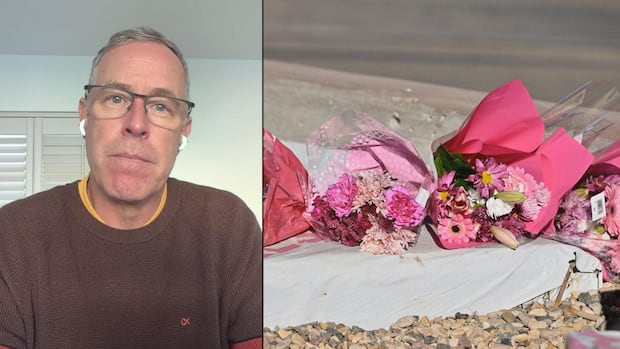
Retired major-general Scott Clancy spoke to CBC News Network Monday about how training exercises are conducted, fire risks and what might happen next after a deadly blaze at CFB Wainwright in Alberta.
Defence officials have said that the fire that eventually engulfed CFB Wainwright had burned for hours but was considered under control enough for live ammunition training operations to continue.
However, a fierce windstorm caused the situation to change rapidly Saturday, sending flames from the grassfire more than a kilometre across the Prairie landscape at lightning speed, stopping soldiers in their tracks.
It’s not uncommon for troops to continue training even after flames spark nearby, says Scott Clancy, a retired Major General in the Royal Canadian Air Force and Canadian Armed Forces.
Clancy told CBC News today that soldiers will often continue field training exercises when fires start, noting it’s a standard occurrence managed by military range control.
He said Wainwright is a very large base and a decision to “carry on” would have been made by range control officers who were managing exercises on site Saturday.
The investigation to come will “look at the leadership, the culture that was created around that leadership, the orders, the safety regulations [and] the specific decisions to carry on training,” he said, to learn about what went wrong and attempt to prevent similar tragedies in the future.
“Wildfires … can be smoldering low and then a few minutes later be wild blazing fires. [It] really depends on the fuel, the winds, and the investigation is going to get after all of those things.”