
Manitoba’s Progressive Conservatives are promising to expand the scope of practice for pharmacists if elected, saying the change would help improve access to health care across the province, particularly in rural communities.
Improving access closer to home
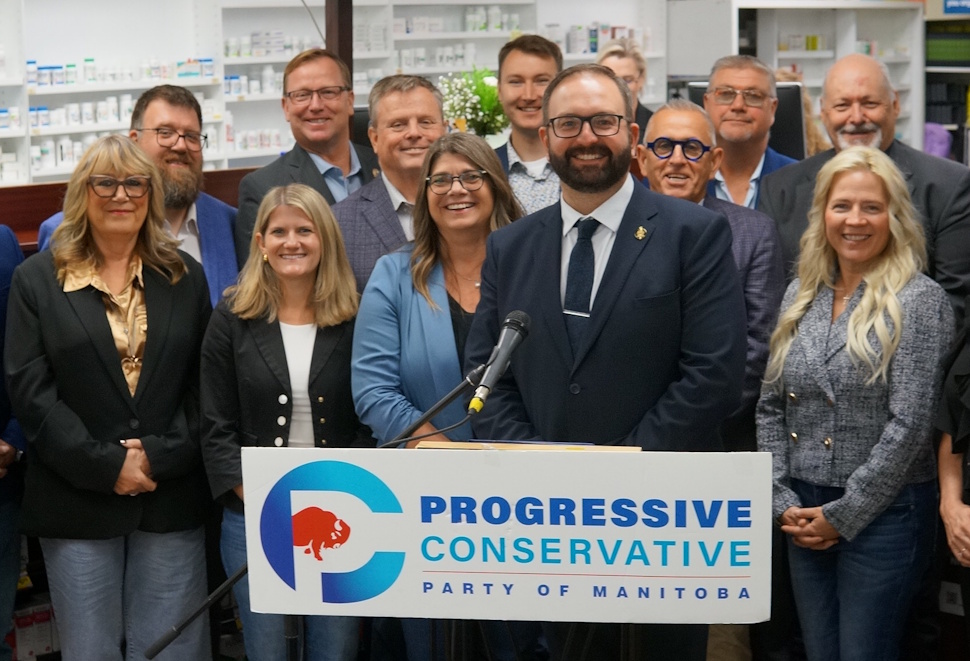
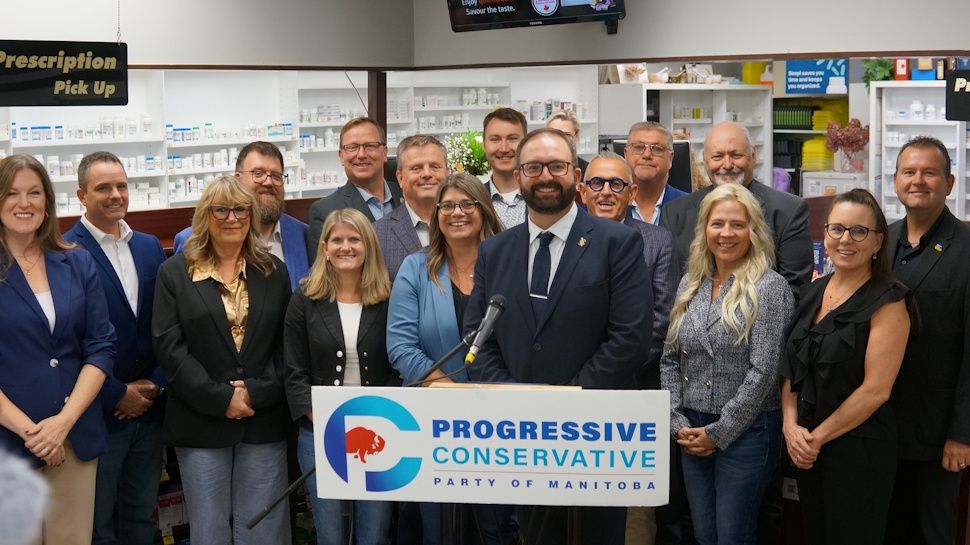
Speaking from a pharmacy in Morden on Monday morning, the party’s new leader, Konrad Narth, said pharmacists are often among the most accessible health-care professionals for Manitobans, especially in communities where getting a doctor’s appointment can require travel and long wait times.
“For many Manitobans, a pharmacist is one of the most accessible and trusted healthcare professionals that they have,” he said. “In communities across Manitoba, pharmacies are often just down the street, while getting an appointment with a doctor can mean traveling to other communities and waiting days to make appointments.”
He said the party’s plan is aimed at making better use of health-care professionals who are already working in local communities.
Related stories:
Helping doctors focus on complex needs
Narth said the proposal is not about replacing doctors and nurses but about easing pressure on the broader health-care system.
“We believe that we can do better by making better use of the health care professionals we already have,” he said. “Our goal is simple. Make more care available closer to home, while freeing up doctors to focus on more complex medical needs.”
He said improving access to care is also connected to affordability, noting that taking time away from work or family responsibilities to attend appointments can come with a real cost.
Manitoba behind other provinces, Cook says
Kathleen Cook, Shadow Minister for Health, said expanding pharmacists’ scope of practice would bring Manitoba more in line with other provinces.
“Expanding pharmacists’ scope of practice is not radical,” Cook said. “This is how Manitoba finally catches up to other provinces. Manitoba pharmacists have the most restricted scope of practice in Canada. Manitoba has the lowest number of authorized pharmacy services in the country.”
She added that expanding the role could also help with recruitment and retention, saying a Pharmacists Manitoba survey found 62 per cent of students at the University of Manitoba’s College of Pharmacy are considering relocating to another province to make better use of their training.
Bill would expand prescribing powers
Cook said she introduced Bill 240, the Pharmaceutical Amendment Act, in the legislature on Wednesday, October 14. The bill would allow pharmacists to prescribe and treat many common diseases and conditions.
“This bill would expand the scope of practice for pharmacists to prescribe and treat for many common diseases and conditions,” Cook said. “Pharmacists are highly trained professionals who have the capacity to deliver a wide range of care.”
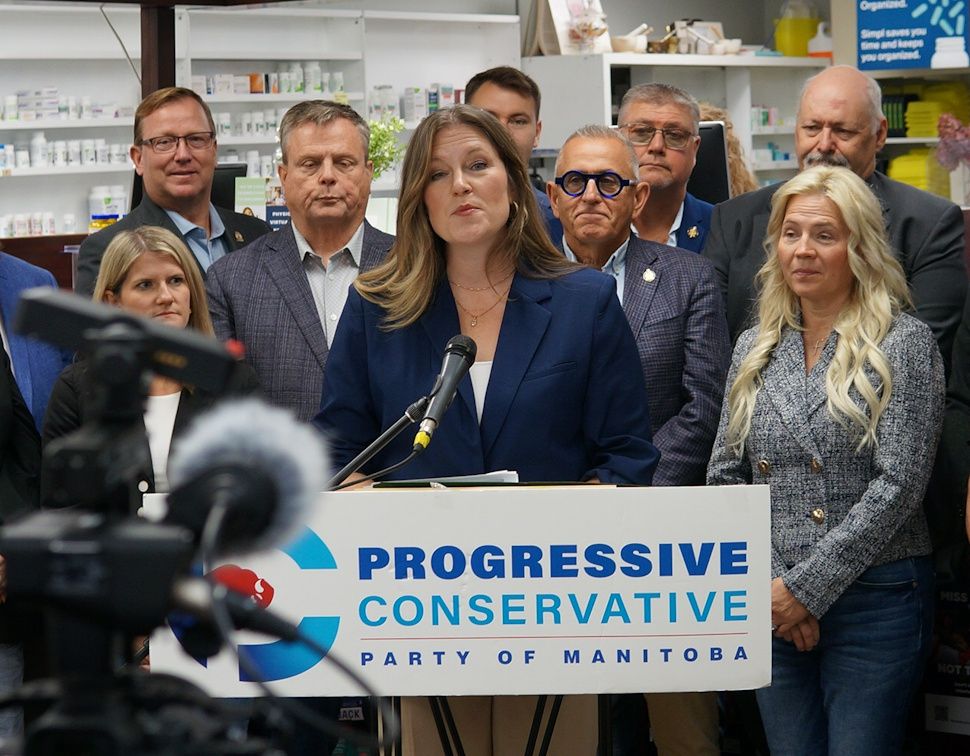 Kathleen Cook
Cook said examples could include a parent seeking care for a child with a sore throat, or someone dealing with nausea, a rash, or pink eye. She said patients who can safely receive care from a pharmacist may not need to visit a walk-in clinic, urgent care centre, or physician for the same service.
Commitment aimed at stronger system
Cook said allowing pharmacists to work to their full potential would increase capacity, improve access, and help reduce demand on urgent care and walk-in clinics.
“We are committed to building a stronger, more accessible healthcare system for Manitobans,” Cook said.
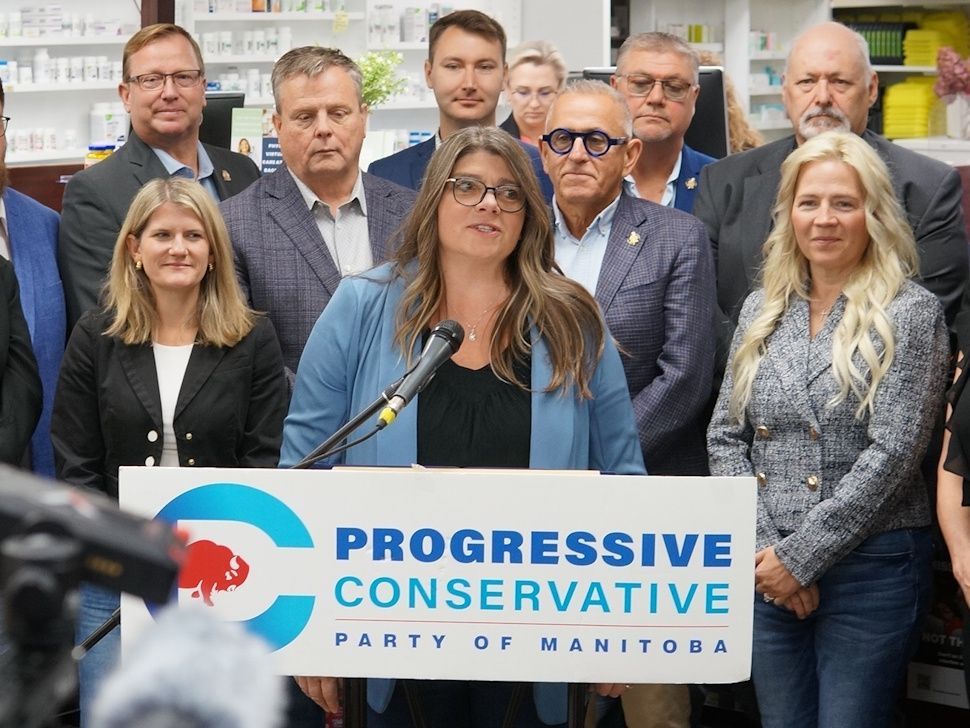 Morden-Winkler MLA Carrie Hiebert at Monday’s announcement