
The video begins with Morgan Freeman standing in his kitchen beside a bottle of honey, a measuring cup full of water and two lemon halves. The beloved actor claims to have a “honey trick” that can reverse Alzheimer’s disease and dementia in less than two weeks.
He touts a “two-minute morning ritual” that uses “ordinary honey from Walmart,” then, contradicting his earlier claim, concludes with a sales pitch for MemoHoney, a honey-based product he says cured his memory loss.
But the man in the video isn’t really Freeman, and MemoHoney doesn’t really cure dementia. The pitchman is an AI-generated deepfake of Freeman discussing a sham product with no proven brain-health benefits at all. The unscrupulous production — which has aired on YouTube and social media sites — is just one in a slew of online ads promoting a honey-based remedy that can supposedly reverse Alzheimer’s. Alongside MemoHoney are products with names like CogniHoney and Mind Boost, with fake, AI-generated endorsements from the likes of Bill Gates, Anderson Cooper and Bruce Willis, as the Better Business Bureau (BBB) noted in a recent alert about these treatments with “no proven medical benefit.”
(We were unable to reach representatives at MemoHoney or CogniHoney for comment.)
Consumers who have purchased the products have reported unexpected monthly charges on their credit cards, difficulty canceling subscriptions, unresponsive customer service departments, denied or ignored refund requests, and continued shipments despite cancellation attempts.
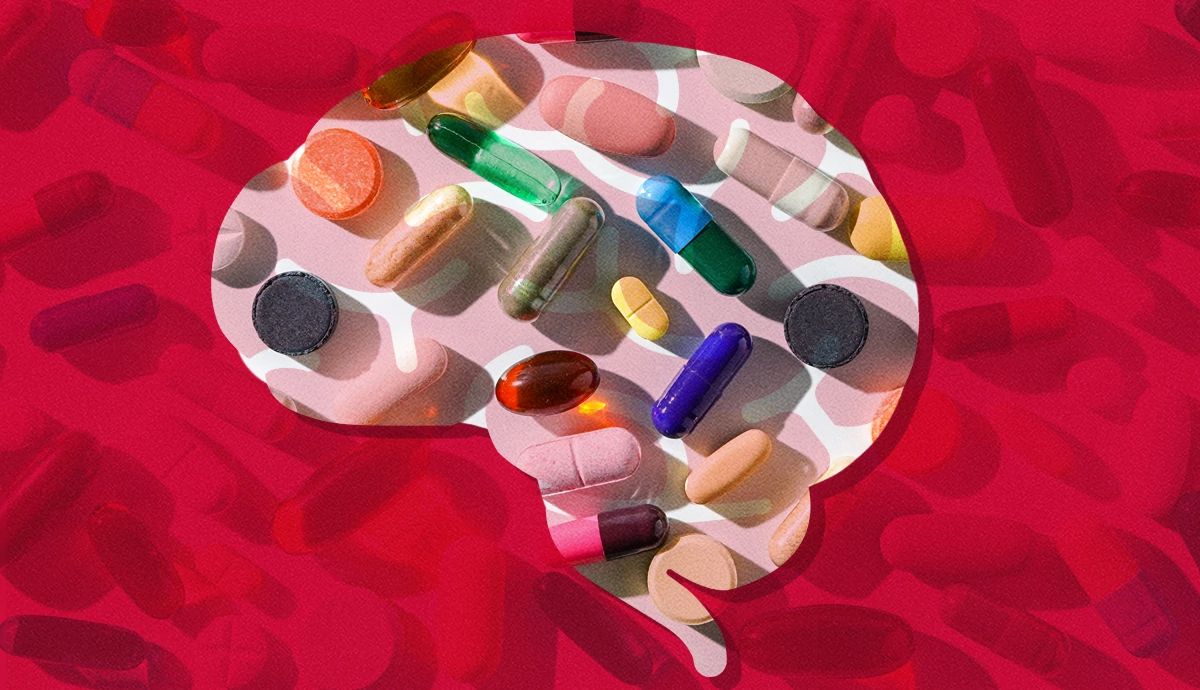
And fake Alzheimer’s “cures” are only the tip of the iceberg. You also can find misleading ads for loads of other unproven and fraudulent health and wellness products online, notes Amy Nofziger, the AARP Fraud Watch Network’s senior director of fraud victim support. She says callers to the AARP Fraud Watch Network Helpline regularly report having bought fake, overpriced or disingenuously advertised dietary supplements; herbal and botanical remedies; sexual, memory and energy enhancements; and other over-the-counter cures.
One recent caller to the helpline said they received a supplement they hadn’t ordered; the company that sells it charged nearly $240 to the caller’s credit card every month before the caller froze their account.
Some people never receive the products they order online, notes Nofziger, but consumers who do can’t be sure whether those products contain the ingredients promised in the ads. “You have to wonder whether they’re safe for your body, to say nothing of the issues you might have with your credit card,” she says.
Before using any dietary supplement, health enhancement or medical treatment, you should seek advice from your physician. In the meantime, it’s essential to carefully assess health and wellness products sold online and be aware of the risks before pulling out your credit card.