

Listen to this article
Estimated 5 minutes
The audio version of this article is generated by AI-based technology. Mispronunciations can occur. We are working with our partners to continually review and improve the results.
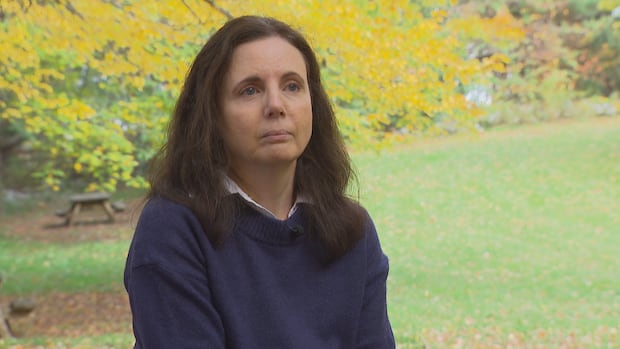
Tracey Nickerson gets the irony of a self-described private person detailing their experience with the health-care system to a reporter, but she feels her hand has been forced.
“I feel like nobody’s listening to me,” she said in a recent interview.
In August of 2025, Nickerson, a resident of the Annapolis Valley, had surgery at Valley Regional Hospital in Kentville, N.S. About two months after her procedure, she received a call from a Nova Scotia Health employee wanting to discuss her case.
“I knew it probably meant the NSQIP program.”
NSQIP is the National Surgical Quality Improvement Program, a widely used data collection program that helps predict, analyze and address factors that could impact the outcome of a surgery. Nova Scotia Health has used it since 2017.
Nickerson, a retired perioperative nurse, declined to discuss her case with the caller.
A call for more public awareness
She has concerns about the inability for a person to opt out of NSQIP, but she has an even bigger concern: following an information request to the health authority, she determined that the nurse reviewing her file was a former colleague who spent time looking at records behind her surgical case.
“She knew exactly who I was and she chose to go ahead and snoop through my records,” said Nickerson.
“She was in there for hours and there was no reason that she had to do it.”
Nickerson said she’s sharing her story because she thinks there needs to be better public awareness of NSQIP, and because she feels let down by the response from health authority officials to her concerns about snooping.
After receiving an audit of who had looked at her records, Nickerson brought her concerns to the health authority’s privacy department. She waited months for a response before ultimately being told the surgical clinical nurse reviewer who handled her file acted within their role.
‘I feel violated’
Unsatisfied, Nickerson filed a complaint with the province’s privacy commissioner. She also went to the ombudsman’s office, which facilitated a meeting with senior privacy officials at the health authority. A call to the health minister’s office led to a meeting with another senior official.
Still, Nickerson is left feeling frustrated that her concerns haven’t been sufficiently addressed.
“I feel violated,” she said.
“I should be able to go and have a private surgery where I used to work and not have this happen to me. And I regret it every day.”
Dr. Greg Hirsch is the senior medical director for Nova Scotia Health’s perioperative network.
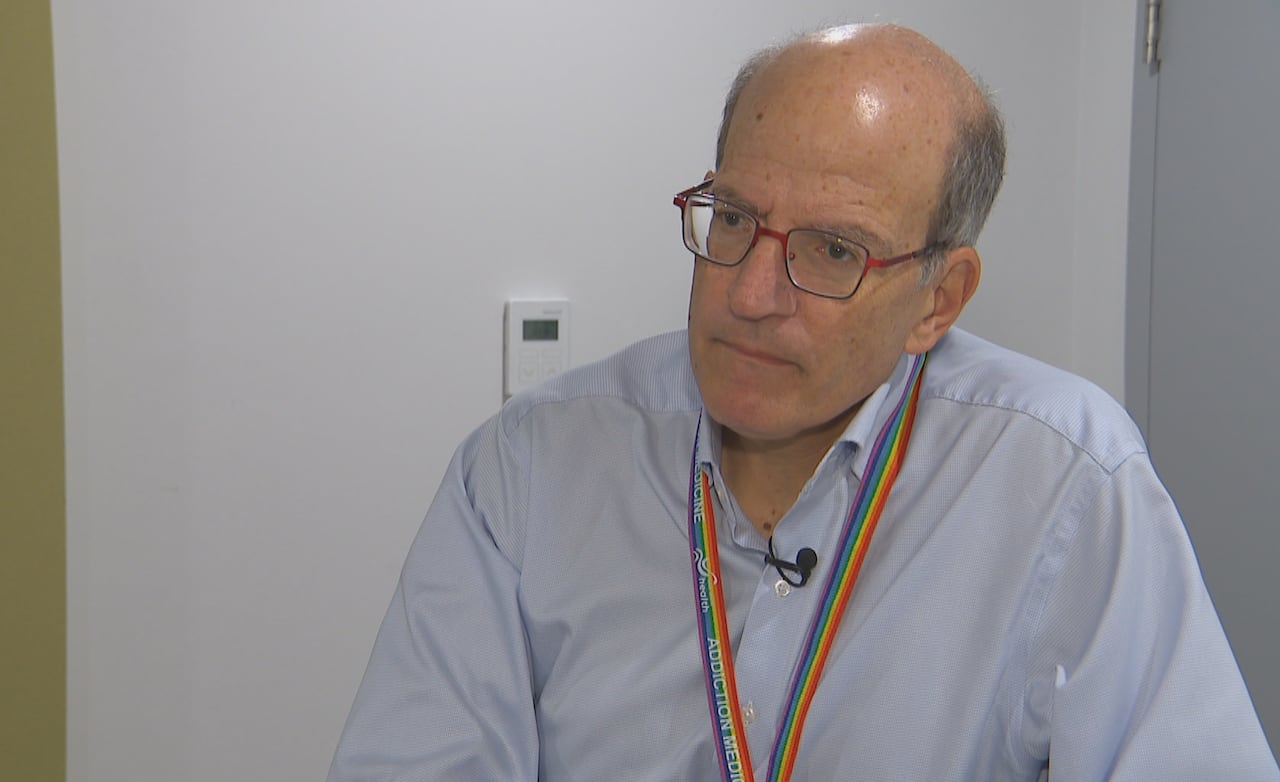
Dr. Greg Hirsch is the senior medical director for Nova Scotia Health’s perioperative network. (CBC)
He said data produced by NSQIP has helped health-care officials in the province identify and address issues, including reducing the prevalence of urinary tract infections. It’s also helped identify hospitals that do things well, such as efforts by the team at Dartmouth General Hospital to prevent surgical site infections. Those lessons can then be passed on to other sites.
“Whether you’re in industry or in health care, you need to be able to measure the outcomes that you’re getting,” Hirsch said during an interview.
“You can’t steer the boat if you don’t know where the boat is.”
Hirsch said the opportunity for a patient to opt out comes when the followup call is made, but information about the surgery that’s used for the data analysis portion of the program is stripped of any identifiers.
Privacy regulations followed
The reason for the followup call is that files do not include information about what happens after a patient is discharged, he said.
“If you get an infection at Day 14, we didn’t know about that.”
Hirsch said all surgical clinical nurse reviewers receive privacy training and are “careful and intentional about compliance with provincial privacy regulation.”
“We realize we could be upended if we’re felt to be impeding on privacy,” he said.
A proposed idea
Still, he said Nickerson’s complaint prompted officials to tell nurse reviewers not to take a file if there’s a relationship between them and the patient.
“I think they’ve had that in their brains the whole time and we’ve kind of codified that piece.”
Nickerson said she’d like to see a policy change so nurse reviewers are not handling files for the health zone they’re based in.
But Hirsch said that familiarity comes with advantages. Because they know the people working in the system and they’re familiar with the sites, it can make it easier to foster quality improvement, he said.
MORE TOP STORIES