

Keeping pace with Hollywood’s perpetual awards horserace. Sign up for the newsletter here.
Is whatever she’s doing in her latest movie the kind of thing that could even be recognized by the Academy?
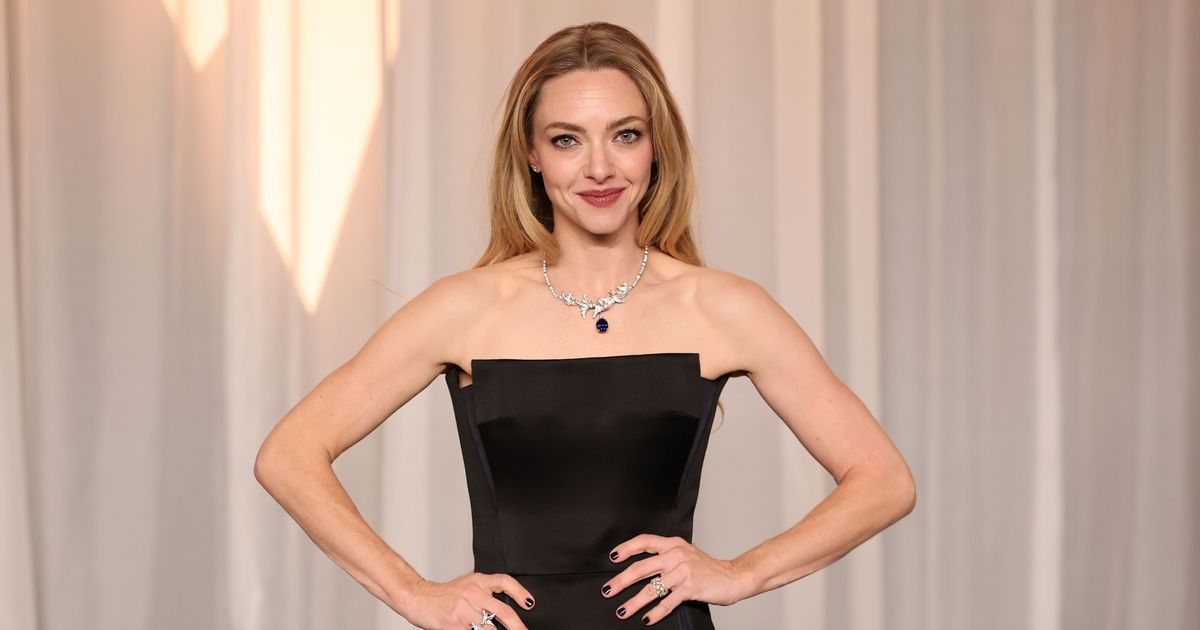
Photo: Emma McIntyre/ Getty Images
Spoiler Warning: If you haven’t yet learned why Amanda Seyfried is in the Oscars conversation, it’s not too late to turn back. I’ll even tell you that it’s for her TIFF movie The Life and Deaths of Wilson Shedd if that makes you feel better.
When the lights went up in my screening of You Can See Everything, I immediately turned on my phone and texted a publicist involved with the film: “Is Amanda Seyfried gonna get a Supporting Actress campaign?” Like many of my text messages, what I thought was a bold and original observation was actually rather predictable and cliché. Because, as it turns out, most everyone who sees YCSE has the same reaction. In many cases, this is followed shortly by another reaction: Wait, how would that even work?
It’s a question that doesn’t have an easy answer, because nothing about YCSE involves an easy explanation. Since the film premiered at Telluride, A24 asked that Seyfried’s appearance in its second half — reprising her role as Elizabeth Holmes in reenactments, while also becoming Nathan Fielder’s co-conspirator — be treated like a state secret. Critics and journalists largely played along, competing to see who could allude to her presence most coyly. Early reviews mentioned only a “surprise guest” or “famous actress.” Oscar pundits, including yours truly, redacted her name when discussing the film’s fortunes. When Seyfried walked the red carpet at last weekend’s Academy gala, reporters could only ask her what she’d prefer to talk about instead of the thing she couldn’t talk about. (The answer: emus, Halloween, and “really good hard ciders.”) Read her WWD profile from this week, which was seemingly conducted under the confines of a rock-solid NDA, for the sublime experience of an interview that covers everything except the one thing you want it to.
But Seyfried is so good at whatever she’s doing in YCSE that the Oscar buzz has followed her anyway. The question then becomes: Is “whatever she’s doing” the kind of thing that could even be recognized by the Academy?
First, there’s the technical side to consider. Based on the Academy’s rules, Seyfried is indeed eligible to be nominated for an Oscar. There are no rules against documentaries submitting performers in the acting categories. The rulebook only stipulates that a performer must be credited to be eligible, which Seyfried is. (It also says a role must be performed by human actors “with their consent,” which brings to mind some terrifying possibilities.) Narrators, voice performers, and documentary reenactors have long been able to be nominated at the Oscars; it’s just that they never have been before.
Things get trickier when it comes to the precursor awards ceremonies. This is a more fluid situation, and even Team YCSE isn’t sure yet how it’s going to shake out. On paper, the film would seem to be ineligible at ceremonies like the Golden Globes and SAG’s Actor Awards. (There is no issue at the Critics Choice Awards, and the various critics’ groups can basically do whatever they want.) However, even in situations where YCSE might appear ineligible, there is wiggle room that could allow Seyfried to sneak in.
Take the Actor Awards. SAG stipulates that the awards are for only scripted feature-length films, not documentaries, which would seem to leave Seyfried out. However, it’s possible for a campaign to petition the guild’s awards committee for inclusion. Essentially, they have to submit a written explanation why a performer should be eligible. SAG doesn’t announce the results of these appeals, but there’s nothing stopping A24 or Seyfried’s team from doing it themselves should they desire. Otherwise, we’ll find out after November 30, when the initial ballots go out to the nominating committee — either Seyfried’s name is on the ballot or it’s not. It’s a similar situation at the Globes, whose rules forbid non-scripted films, but where A24 could likewise appeal.
There are no perfect comparisons, but the best argument for Seyfried’s eligibility may be the precedent set by Borat: Subsequent Moviefilm. Maria Bakalova was nominated at both SAG and the Golden Globes for her performance, which was in a mockumentary rather than a documentary, but still involved blending scripted and unscripted elements. Another example might be Jury Duty’s James Marsden, who was nominated at the Globes for playing a heightened version of himself in the comedic reality show — though that show was scripted enough to also be nominated in the Best Comedy category.
Then there’s the philosophical side to consider. If Seyfried were to be nominated, on paper it might be strictly for the role she’s credited as: playing Elizabeth Holmes in the film’s reenactments. But how many voters would truly be able to separate those scenes from the majority of her screen time, when she’s appearing as herself? (Or, given the film’s interest in the semiotics of performance, “herself.”) When Fielder is getting stuck in the morass of his own neuroses, Seyfried essentially becomes the audience surrogate, grounding the proceedings in normal human behavior, and vocalizing reactions the viewer themselves likely had to the film’s most batshit moments. It’s fair to ask what percentage of her Oscar buzz is simply fans conjuring up a way to reward someone they find likable, in a movie they love. As one insider put it to me: Would we even be having this conversation if Seyfried was not a popular A-list actress?
But of course, Seyfried is not just any popular A-list actress. She’s the popular A-list actress who won an Emmy for playing Elizabeth Holmes in The Dropout. The metatextual frisson she brings to the proceedings adds to the hall-of-mirrors quality Fielder and his co-director, Lance Oppenheim, are going for — especially in the moment the film briefly turns its analytic gaze on her, and she responds with a flustered self-justification that sounds suspiciously like something Elizabeth Holmes would say. The reenactments and the “real” footage are all tangled up in the same question: How much is she complicit in the same kind of exploitation the film explores? (When Seyfriend-as-Holmes professed her sincere desire that outsiders no longer take away her voice, I hollered at the screen.) At the same time, Seyfried is just as much an author as she is a subject. By the end of the film, she’s contesting Fielder’s interpretations of his interactions with Holmes, and asserting her own perspective on their relationship, a perspective the movie ultimately endorses. If you come into YCSE imagining one person will emerge as the “winner” — an Isaac Chotiner–pilled worldview I don’t necessarily endorse — you’re walking out thinking it’s Seyfried. An Oscar nomination feels like her reward for emerging victorious.
As to whether Seyfried can be said to be “acting” opposite Fielder, some of that depends on whether you buy that their scenes together are as unscripted as the movie presents them as. (The Vulture staff has had heated debates on this issue!) But even if they’re exactly as real as they appear, that doesn’t necessarily mean Seyfried’s not acting in them. As many have noted, it is the job of an A-list actress in public to always be performing a version of themselves — pleasant, charming, fit for consumption. Especially on the Oscar trail, where they participate in meet-and-greets, talk-backs, and viral videos, often speaking in great detail about their own fictional performance. In a sense, all Seyfried’s portion of YCSE is doing is taking these extratextual performances and making them part of the text of the movie, in the same way the film’s back half essentially dramatizes and interrogates its own creation.
Heady stuff! Whether or not Seyfried gets any traction in the awards race — and if she remains ineligible at precursors like SAG and the Globes, it might be hard to tell — the conversation around her candidacy should make for the most fascinating Supporting Actress race we’ve seen in ages. It incorporates, well, everything: the nature of performance, the ingratiating elements of stardom, the ethics of projects like The Dropout. In character and out, Seyfried’s performance personifies the movie’s themes — and isn’t that what we all want from our acting contenders?
Every week between now and January 21, when the nominations for the Academy Awards are announced, Vulture will consult its crystal ball to determine the changing fortunes in this year’s Oscars race. In our “Oscar Futures” column, we’ll let you in on insider gossip, parse brand-new developments, and track industry buzz to figure out who’s up, who’s down, and who’s currently leading the race for a coveted Oscar nomination.
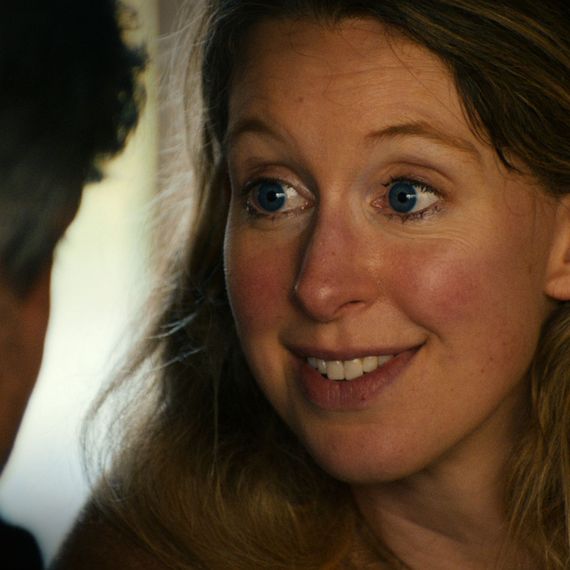
Photo: A24
Turn up your nose at the A24 hype machine if you wish, but you can’t deny it gets the job done: YCSE nearly doubled its initial box-office predictions by taking in $15 million in limited release, the best opening for a non-music documentary since Michael Moore’s Fahrenheit 9/11. (And YCSE did it without the implication that buying a ticket would somehow defeat George W. Bush.) That’s only the beginning: When the film goes wide this weekend, it might beat Clayface to the No. 1 spot. As a 39-year-old Brooklyn man with an active Letterboxd account, I am squarely within YCSE’s target demo, but by all indications, the metafictional documentary is resonating across the industry. Even Variety’s Owen Gleiberman, a journalist whose perspective is closer to the Academy’s meat-and-potatoes voters than most, staked his claim this week that YCSE won’t just be nominated for Best Picture — it’ll win.
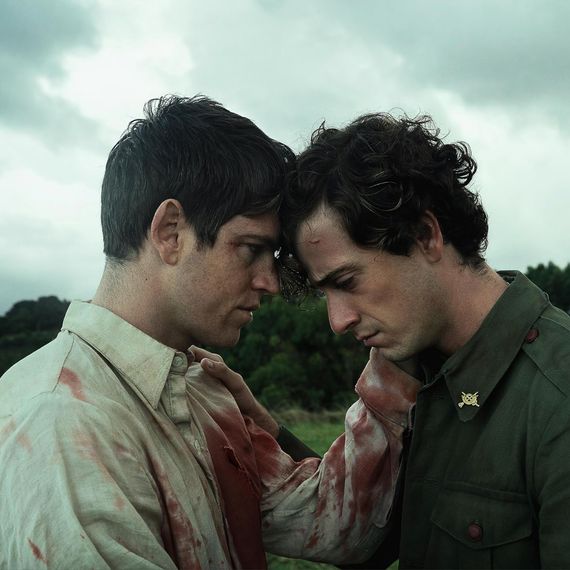
Photo: Netflix
Lost in the hubbub over YCSE’s box-office haul was the fact that La Bola Negra also performed quite well in its own opening weekend. For the first time ever, Netflix released financial totals for one of its theatrical releases, showing the Spanish epic grossed just north of a quarter-million dollars on four screens. That’s a $69,000 per-screen average — a far cry from La La Land ($176K) or even Anora ($91K), but in line with the likes of Poor Things and I, Tonya, showing that the streamers’ imprimatur hasn’t scared off theatrical audiences.
All of a Sudden, Artificial, La Bola Negra, The Debut, The Invite, The Odyssey, Possible Love, Project Hail Mary, Wild Horse Nine, You Can See Everything
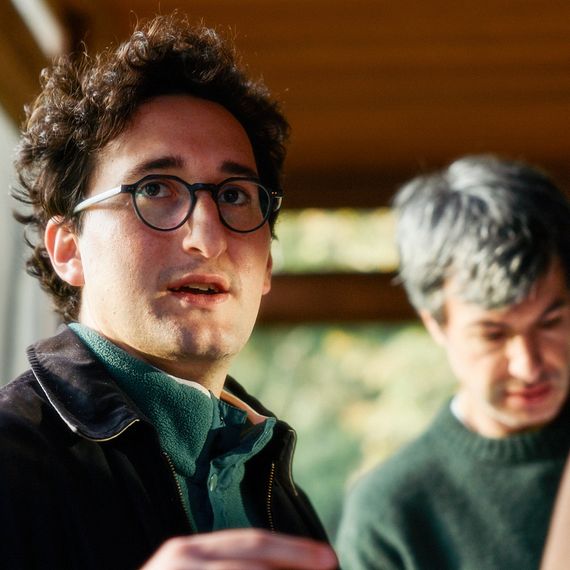
Photo: Chris Maggio/Courtesy of A24
It’s not just a Doc and Picture play. This week, A24 unveiled its all-fronts Oscar campaign for YCSE: an acting push, crafts recognition, and, accordingly, a bid for directing noms for Fielder and Oppenheim. (Who, if he won, would supplant Damien Chazelle as the youngest-ever winner.) If the documentary truly is a top-tier Best Picture contender, then the duo should be considered formidable in this category as well. There are two obvious reasons for skepticism: Besides the fact that no documentary has ever gotten into Best Director either, there are only half as many seats available here as in Picture. Just as concerning, the pair may run into the same eligibility issues at the precursors as Seyfried. Still, I’m slotting them in this week, just to see how it looks.
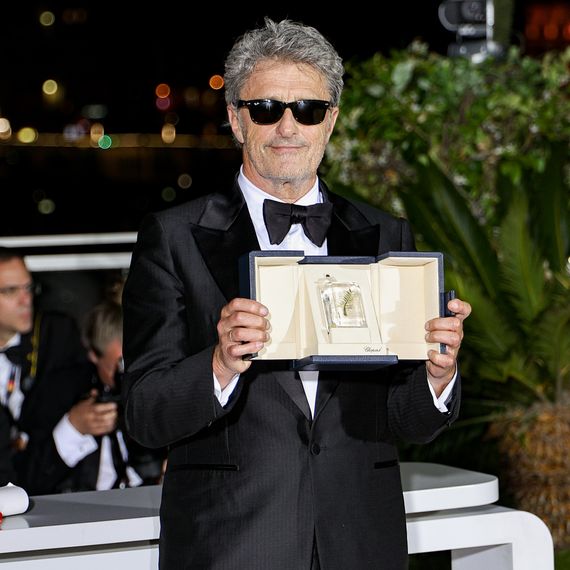
Photo: Lyvans Boolaky/Getty Images
Having been previously nominated for Cold War, Pawlikowski comes into the season sporting a Best Director prize from Cannes for his spartan postwar travelogue. (Technically, he tied with Los Javis, and he’ll hope the three of them can continue to co-exist in the Oscars lineup.) But if the Polish auteur was looking for critical support for his latest bid, he won’t find it from the New Yorker’s Richard Brody, whose Fatherland review culminates in a broadside against Pawlikowski’s brand of prestige Euro cinema: “an aesthetic of purification, disincarnation, signification, as if the mere fact of keeping voices down and holding thoughts in were itself a mark of urbanity, conferring that cultural virtue upon a dignified audience.” Ojej!
Javier Ambrossi and Javier Calvo, La Bola Negra; Nathan Fielder and Lance Oppenheim, You Can See Everything; Ryusuke Hamaguchi, All of a Sudden; Martin McDonagh, Wild Horse Nine; Christopher Nolan, The Odyssey
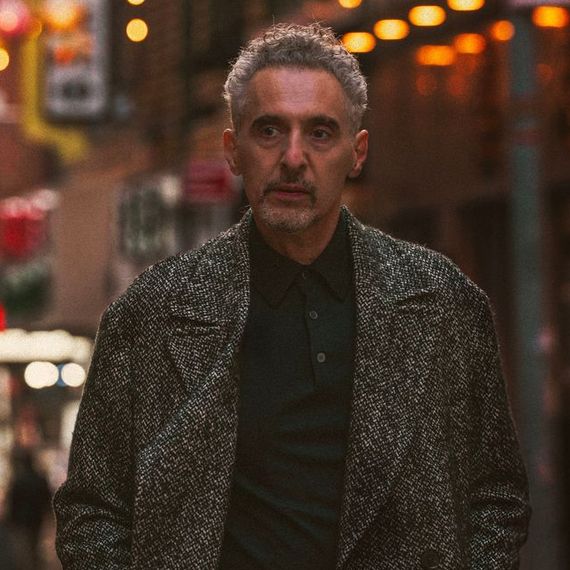
Photo: Sony Pictures Classics
This Sundance premiere is essentially the Sony Pictures Classics version of an A24 movie: an outer-borough crime drama with vintage New York vibes — and the youth worship swapped out for speeches about how young people need to respect their elders. In a rare lead role, one that gives him a frankly magnificent coat, Turturro adds to his late-career renaissance as an old-school pickpocket who runs afoul of a Gen-Z mobster. Despite the criminal milieu, this is a cozy movie that feels like a slow pitch down the middle for the Academy’s older voters, especially when you consider SPC’s track record in nabbing career-achievement nominations for veteran actors. Don’t underestimate Turturro’s chances of snagging the fifth Best Actor spot.
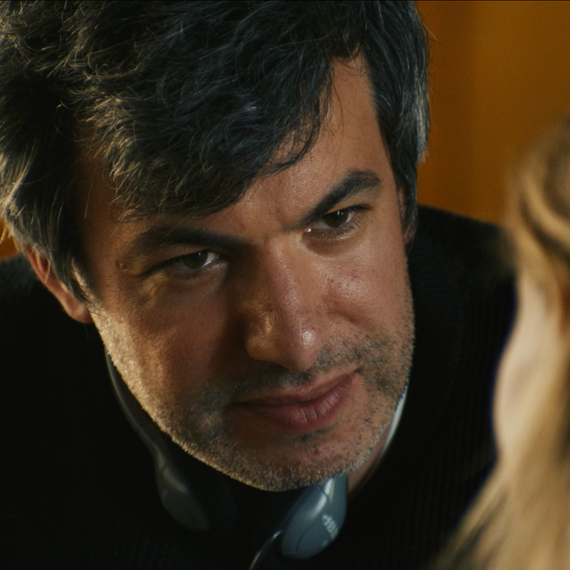
Photo: A24
Earlier this week, the trades reported that A24 would be giving Fielder a Best Actor push for YCSE. While it is indeed fun to discuss all the ways that Fielder’s onscreen persona is its own kind of performance, I’m told that these reports were erroneous. He will be campaigned purely as a filmmaker, as anything else would undercut the movie’s claim to be a documentary.
Matt Damon, The Odyssey; John Malkovich, Wild Horse Nine; Robert Pattinson, Primetime; Andrew Scott, Elsinore; John Turturro, The Only Living Pickpocket in New York
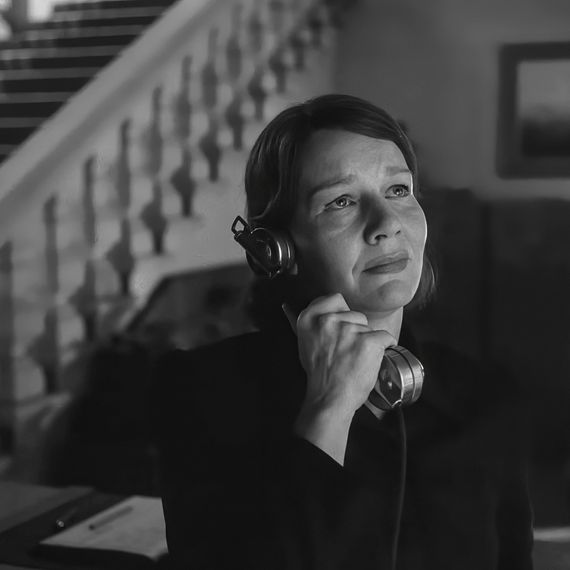
Photo: Mubi/Courtesy Everett Collection
Three years ago, Hüller nearly pulled off double nominations for Anatomy of a Fall and The Zone of Interest, falling just short for the latter. She’s even more prolific this year, with lead performances in Fatherland and Rose, plus a supporting turn in Project Hail Mary. Oddly enough, her two Best Actress plays are both black-and-white, European period pieces, but while Rose is full of gender-bending swagger, Fatherland is a more subdued performance. As an exiled writer touring a divided Germany, she’s allowed to show a more vulnerable side of herself. (It’s also a kind of homecoming for the actress, who grew up under the Honecker regime; as Pawlikowski told me recently, “she’s East German in the best way possible.”) Both films are repped by Mubi, and though Rose is seemingly Hüller’s priority, there’s every chance Fatherland’s pedigree could make it the stronger horse.
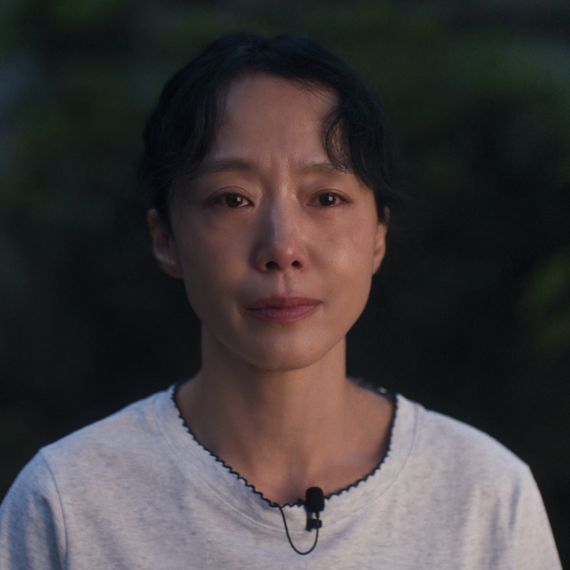
Photo: Courtesy of Netflix
A lot of critics and pundits are rooting for Lee Chang-dong’s class-conscious drama, which enters limited release this weekend before heading to Netflix next month. If the Venice runner-up is able to find a foothold in the Best Picture race, that’ll be a boon for Jeon, who gives the standout performance as a working-class woman who gets a glimpse at how the other half lives. Reuniting with Lee, who directed her in Secret Sunshine, she “channels warmth, desperation and steel in [her] every blink,” says Tara Brady of the Irish Times. The Academy does not have a stellar track record in recognizing Asian talent, but the new more international votership brings reason for optimism. With Julianne Moore firmly ensconced in the front-runner spot, I could see Jeon being the Actress contender critics’ groups throw their support behind.
Virginie Efira, All of a Sudden; Sandra Hüller, Rose; Jeon Do-yeon, Possible Love; Julianne Moore, The Debut; Inde Navarrette, Obsession
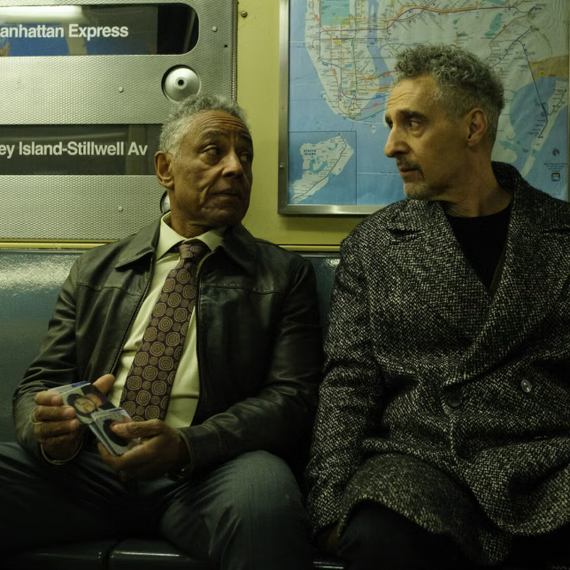
Photo: Sony Pictures Classics
As a world-weary detective who shares a long history with Turturro’s pickpocket, Esposito got on some preseason supporting-actor longlists. Unfortunately, his role amounts to little more than a cameo. On the bright side, it’s always nice to see a Do the Right Thing reunion.
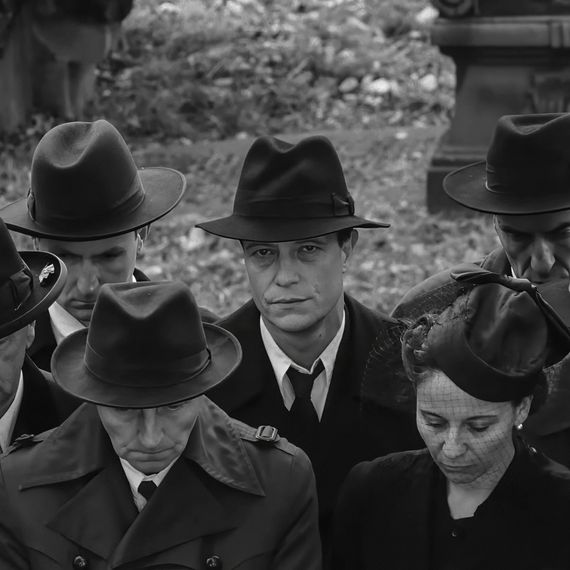
Photo: Mubi/Courtesy Everett Collection
The Inglorious Basterds actor likewise has only a handful of scenes in Fatherland, and is probably just as unlikely to gain any sort of awards traction. But he makes a meal out of his meager screen time, and arguably gets the movie’s best line. When given the choice of Diehl or no Diehl, always choose the former.
Andrew Garfield, Artificial; Paul Giamatti, The Debut; Guitarricadelafuente, La Bola Negra; John Leguizamo, The Odyssey; Sam Rockwell, Wild Horse Nine
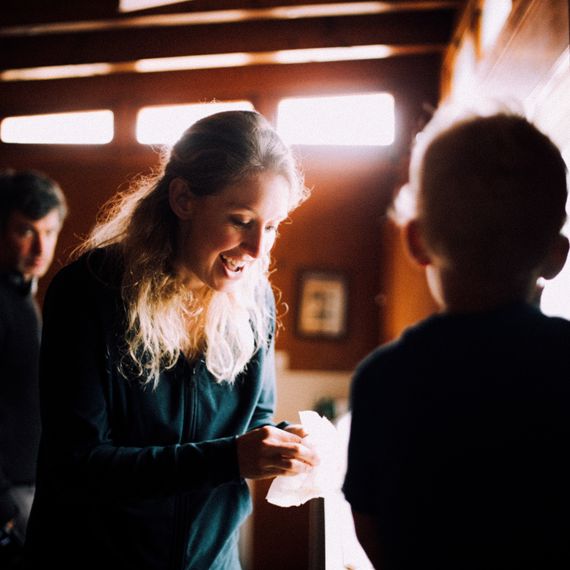
Photo: A24
At some point, the veil of secrecy around Seyfried’s performance will fall, and she’ll embark on a proper campaign. (At this point, A24 won’t even relinquish a photo of the actress in the film.) I heard that at an FYC event for The Testament of Ann Lee last year, she accidentally let the cat out of the bag a bit, but everyone in the room just assumed she was talking about The Rehearsal. We’ll see if the actors’ branch takes to this unconventional role — they tend to like big splashy transformations, but dislike projects that overintellectualize performance, so it’s anyone’s guess how this nets out — but for now the buzz is so overwhelming that I have a hard time leaving Seyfried out.
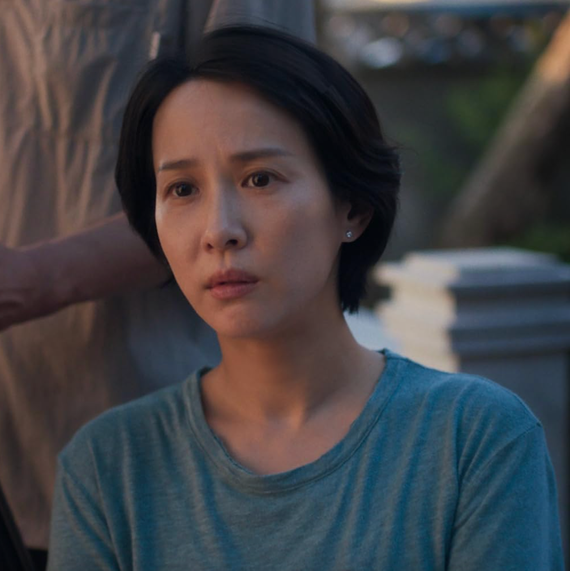
Photo: Pinehouse Film
Another thing that Possible Love has going for it is Cho, a familiar face from Parasite who is playing a similar character here, albeit a more benign version: As a rich woman with a vanity career as a documentary filmmaker, she’s well-intentioned but also a little ridiculous. (As well as a stand-in for Lee Chang-dong; Nathan Fielder isn’t the only director allowed to probe his own motivations.) I would be pretty surprised if Possible Love managed to earn two acting nominations, but hey, no one saw Marina de Tavira in Roma happening, either.
Penélope Cruz, La Bola Negra; Anne Hathaway, The Odyssey; Samantha Morton, The Odyssey; Tao Okamoto, All of a Sudden; Amanda Seyfried, You Can See Everything