
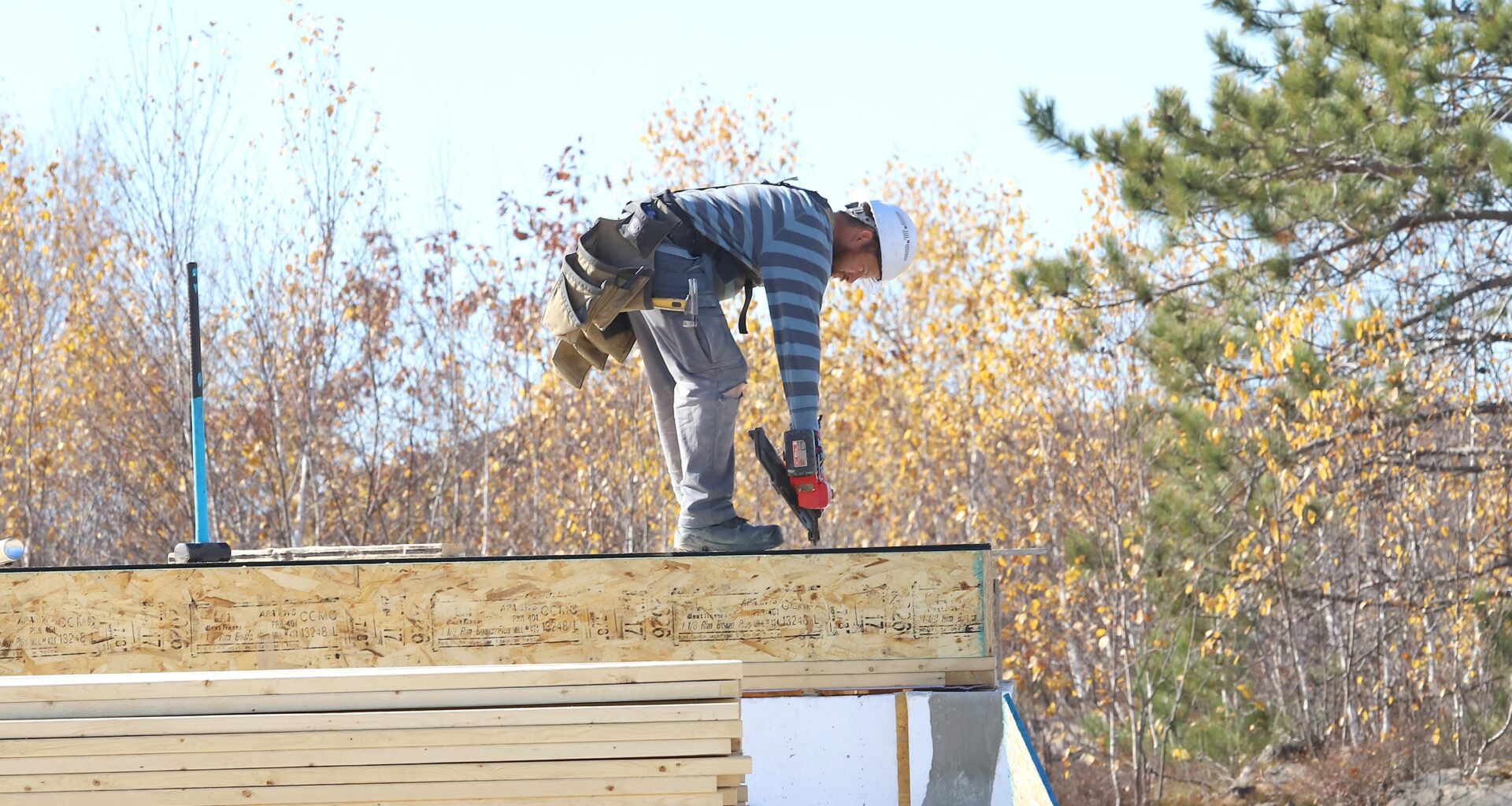
City council’s decision to pause development charges for three years could net the City of Greater Sudbury as much as $45.3 million in provincial and federal funding – money that will be used to promote the building of new homes in the community.
“Rising housing costs have put the dream of homeownership out of reach for far too many people in Ontario,” Rob Flack, Ontario’s minister of Municipal Affairs and Housing, said in a release issued on Friday. “Through the Development Charge Reduction Program, residents in Greater Sudbury will save thousands of dollars on the cost of a new home, making homeownership more attainable for young professionals, growing families and seniors alike.”
Development charges are one-time fees collected by municipalities from developers and homebuilders when a building permit is issued. The purpose of these fees is to recover growth-related capital costs so that new developments pay for their share of expanding public infrastructure, rather than shifting the financial burden onto existing taxpayers.
However, in a bid to spur housing construction and to make housing more affordable for buyers, city council has opted to eliminate development charges for all housing types from March 30, 2026, to March 31, 2029.
The release said eliminating the development charges is estimated to reduce the cost of building new homes in Sudbury by up to $22,162 per home.
In March, Ontario and the federal government agreed to a cost-matched structure to provide a combined $8.8 billion over 10 years for infrastructure investments in Ontario, with Canada’s share of the funding flowing through the Build Communities Strong Fund.
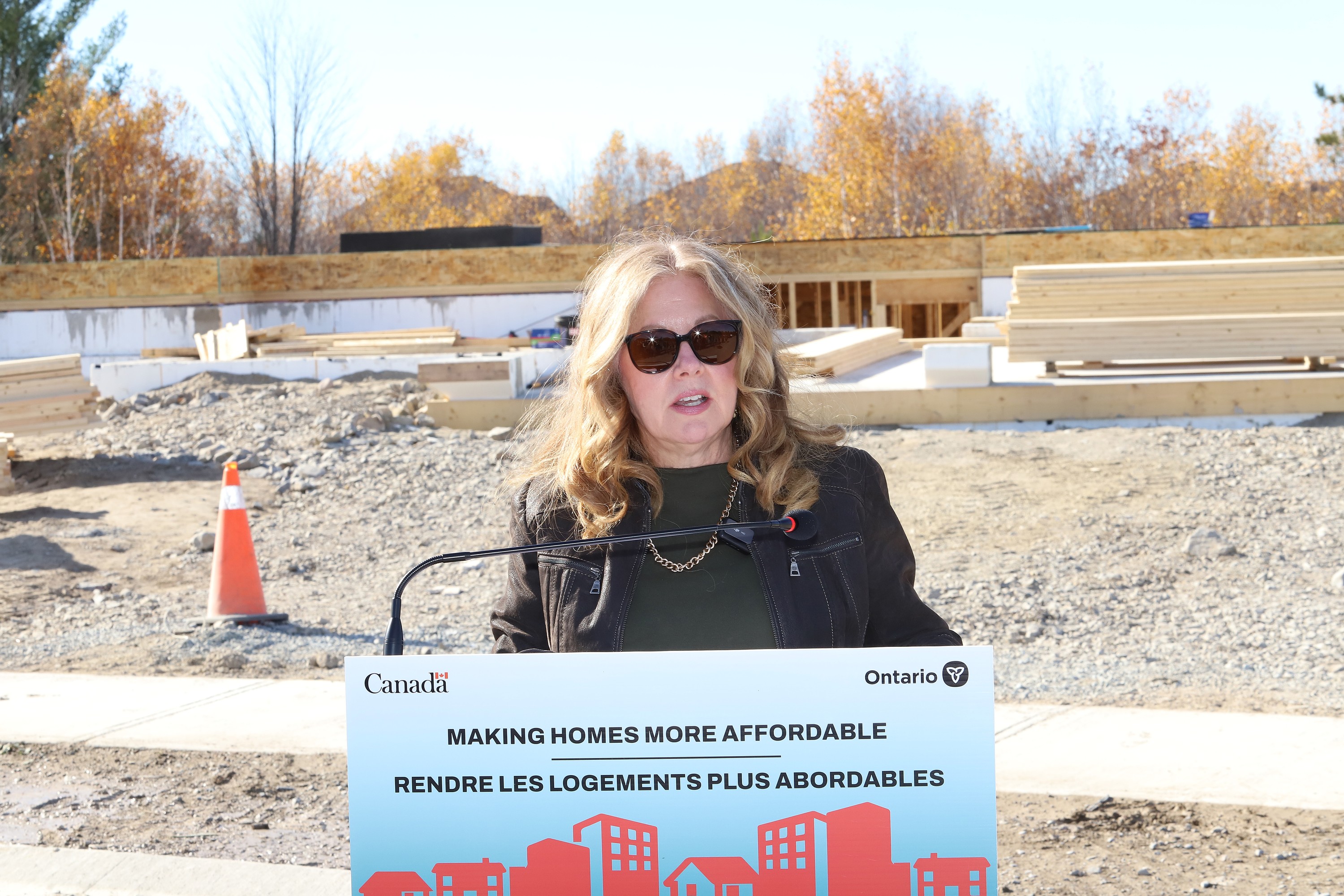 Sudbury MP Viviane Lapointe takes part in a funding announcement in Sudbury, Ont. on Friday October 23, 2026. John Lappa/Sudbury Star/Postmedia Network John Lappa / Sudbury Star
The two governments also agreed to provide relief on the full HST on eligible new homes from April 1, 2026, to March 31, 2027, saving homebuyers up to $130,000 off the cost of a new home.
When combined, the elimination of development charges and HST relief could save families in Sudbury up to $152,162 on the cost of a new home.
“Building more homes means working together to remove barriers and create the conditions needed for more housing,” said Sudbury MP Viviane Lapointe. “Through the Development Charge Reduction Program, we are partnering with Ontario and the City of Greater Sudbury to lower the cost of new housing while ensuring communities have the infrastructure they need to grow.
“This investment will help make more homes attainable for families in Sudbury while strengthening local communities and supporting Ontario’s growing economy.”
Subject to the signing of a Canada-Ontario Build Communities Strong Fund agreement, further due diligence by both governments and the signing of an Ontario-municipal Transfer Payment Agreement, the Development Charge Reduction Program will provide the City of Greater Sudbury with up to $45.3 million to support improvements to the city’s water and wastewater infrastructure.
The governments say the money will be used to transition the Garson East Drinking Water System from groundwater supply to the city’s surface water system. The money will also be used to build watermains and improve sanitary sewer infrastructure in the Maley Drive growth corridor.
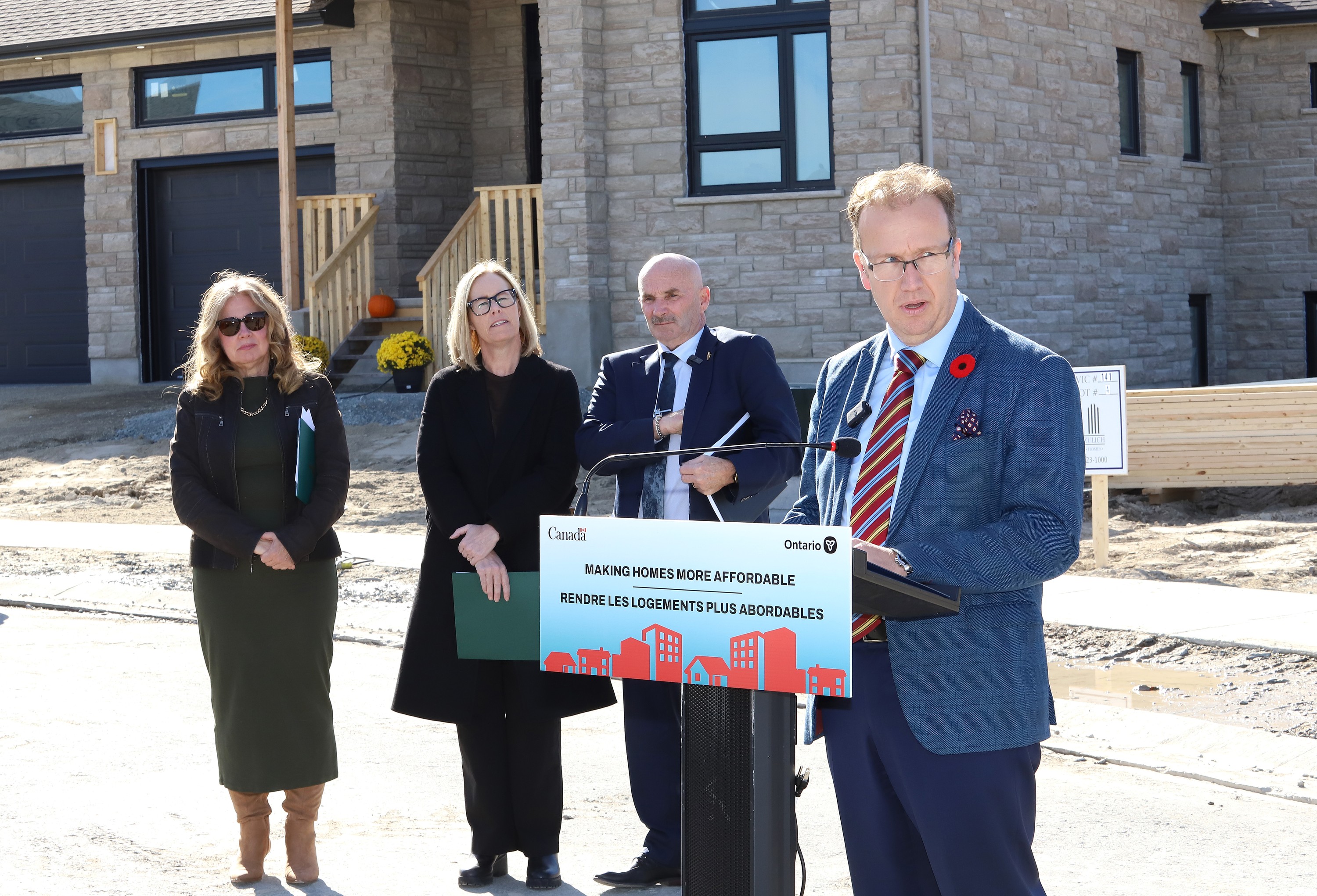 Greater Sudbury Mayor Paul Lefebvre takes part in a funding announcement in Sudbury, Ont. on Friday October 23, 2026. John Lappa/Sudbury Star/Postmedia Network
The City of Greater Sudbury estimates that the construction cost savings over the development charge reduction period, along with the investment in housing-enabling infrastructure, would unlock 3,320 new homes, supporting a housing market with more choice and greater affordability for homebuyers and renters.
“Greater Sudbury has exciting economic opportunities ahead, and council has been focused on making it easier to build all types of new housing for people who want to live in our community,” Mayor Paul Lefebvre said. “This great new partnership with the provincial and federal governments will allow us to eliminate development charges for three years while making accelerated investments in the water and wastewater infrastructure needed to support growth.”
As part of the Canada-Ontario Partnership to Build, the Development Charge Reduction Program is delivering funding over 10 years for housing-enabling infrastructure projects. Funding is being prioritized for municipalities that reduce development charges for all residential types by 30 to 50 per cent or greater and maintain the reductions for at least three years.
They said it
“Reducing barriers to development is an important part of increasing housing supply in Greater Sudbury. The elimination of development charges, combined with investments in infrastructure that support new housing, creates opportunities to move residential projects forward. These measures will help encourage new development, expand housing options and support the long-term growth of our community.”
Kris Longston, general manager of Planning and Growth, City of Greater Sudbury
“Greater Sudbury’s existing development charge moratorium on semi-detached homes and smaller apartment buildings has already helped Zulich Construction bring more affordable housing to market and help more families achieve their goal of moving into a new home. Expanding this relief to all housing types and extending it through March 2029 builds on that momentum, providing builders with the cost certainty and confidence to plan future projects, invest in growth, and establish a sustainable pipeline of new housing in Greater Sudbury for years to come.”
John Zulich, president, Zulich Construction Corp.
“This funding is great news for both the City of Greater Sudbury and for the families hoping to call it home. Reducing development charges is about making it possible to get more homes built, at prices more families can afford. OHBA has been clear that reducing the cost of delivering new homes will take meaningful action; the DCRP program continues to accomplish that.”
Scott Andison, CEO of the OHBA
“Every home we build in Sudbury starts with a dream and a price tag, and development charges are one of the biggest hurdles we see. Growth takes infrastructure, and this support helps Sudbury build what it needs without pricing families out of the market. We appreciate the province’s investment in Greater Sudbury, and we’ll keep working to make sure all Northern Ontario communities can access similar support.”
Morgan Rouleau, CEO, Northern Ontario Home Builders’ Association
“RESCON commends Minister of Municipal Affairs and Housing Rob Flack as he continues to work to reduce municipal development charges and to make housing more affordable for Ontarians. Reducing DC costs in the City of Greater Sudbury and across Ontario’s municipalities is a major step towards affordability. Premier Doug Ford and Minister Flack are leading the way on development charge reduction and regulatory reform, sales tax relief and approval process changes. RESCON fully supports these efforts by Premier Ford and Minister Flack.”
Richard Lyall, president of RESCON
“Reducing development charges can significantly improve project viability and unlock greater investment in new housing. Programs like this create better conditions for more homes to move forward, including purpose-built rental housing, giving people more choice in where and how they live. We welcome continued collaboration between governments and municipalities such as Sudbury to reduce barriers, support growth and help increase housing supply across Ontario.”
Tony Irwin, president and CEO, Federation of Rental-housing Providers of Ontario
“We are thrilled to see Sudbury working to reform DCs and being rewarded for their efforts. We commend City Council for taking bold action to build more homes and create the infrastructure necessary to support growth. Through the Development Charge Reduction Program, all levels of governments are heeding our calls to bring housing affordability back. As we noted in our A Pathway to Development Charge Reform policy report, these initiatives are key to building more homes without increasing other costs.”
Kim Fairley, 2026 OREA president