
 Surrey gardening couple tended a tiny strip of lawn for years, until their new neighbours ripped out the wildflowers and installed a garden gnome; the eight-foot patch triggered a legal battle with an unexpected verdict A little patch of grass, a few wildflowers, and one garden gnome: all these sound like ingredients in a story you’d forget the next day. But in Surrey, England, they became the turning point for a legal fight that made it all the way to the Upper Tribunal at London’s Royal Courts of Justice, opening up a bigger debate: if you care for a bit of land for years by mowing, planting, and watering, does it eventually become yours?For Elizabeth “Liz” Dobson and her partner Andrew Pleming, local gardening fans, the answer ended up being yes. Per The Independent, they won an appeal over an eight-by-three-foot strip just outside their home in Westcott, near Dorking. Their new neighbours, Alison and Darren Unsted, had yanked out their plants and plopped a garden gnome on the spot to show everyone who owned it. The twist? The patch was actually registered as the Unsteds’ property.But that’s not where the story ended. Upper Tribunal Judge Elizabeth Cooke delivered a decision in March 2026, reversing a previous ruling and recognizing that Dobson, Pleming, and the former residents had looked after this little strip like it was their own for over twenty years. This case shines a light on how even a neglected wedge of lawn can dredge up the complexities of property law, and how sometimes, what you do with the land matters more than whose name is on the official documents.So, while the garden gnome was meant to plant a flag, it ended up as a reminder that years of quiet, patient gardening can outweigh sudden efforts to take control.
How a tiny garden patch became the centre of a neighbourhood dispute
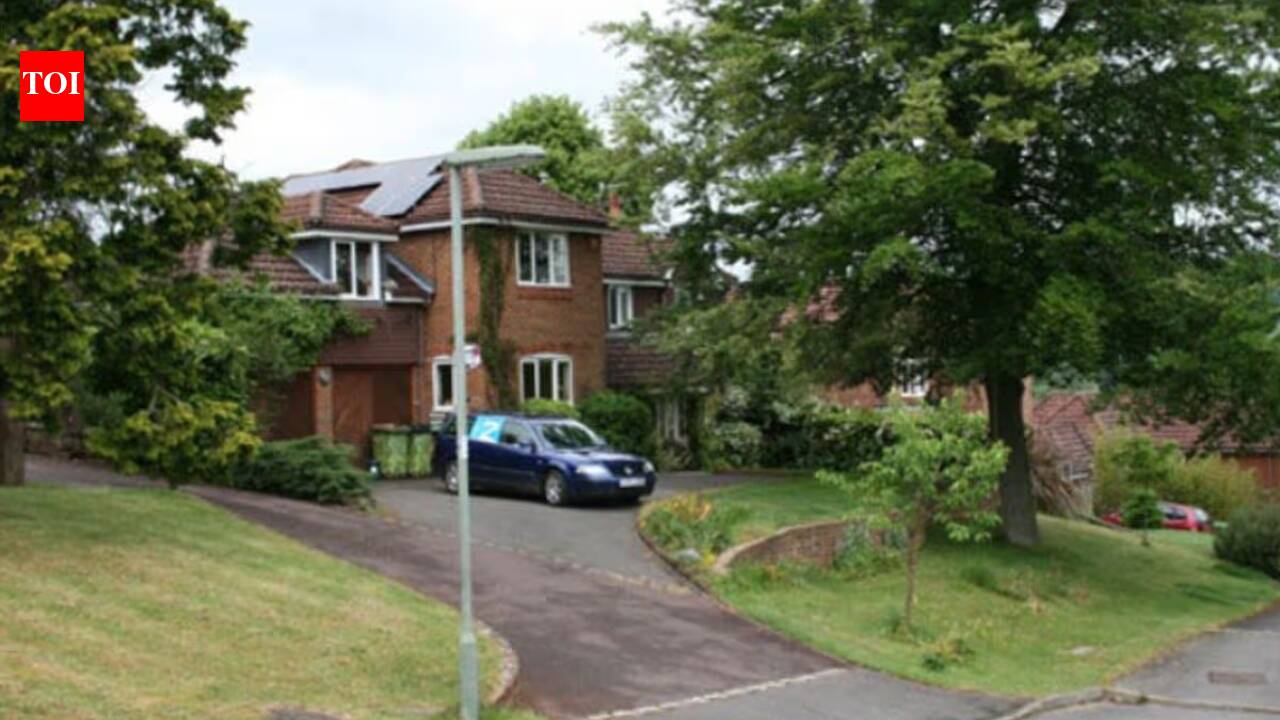
Dobson and Pleming bought their place on Pointers Hill in 2009, and say they always treated that little triangle of grass as part of their garden. The strip, about 2.4 by 0.9 meters, sat near the end of both driveways, nothing glamorous but definitely part of the couple’s daily routine.It wasn’t just about giving it a trim every now and then. They mowed it, raked and scarified the lawn, swapped in new soil and turf as needed, and added herbs and flowers: sweet peas, lupines, clover. To them, the patch was as much a working part of the garden as any other, used for moving the mower and wheelbarrow or just to give their kids a place to play and race to a rope swing.Once, they even put up a house number sign on the grass. As it turned out, this string of small, ordinary acts would become key evidence in court.Everything changed when Alison and Darren Unsted moved in next door in August 2022. According to the tribunal records, the new neighbors claimed the patch belonged to them based on their property deed. Fast forward to May 9, 2023: their response was to uproot Dobson and Pleming’s plants and stake a garden gnome there, a move the judge described as an attempt to retake possession.Suddenly, the issue wasn’t just about landscaping choices. It boiled down to whether a decade (or two) of looking after a patch of land could outweigh paper ownership.
Why did the gardening couple initially lose their case?
Dobson and Pleming rested their claim on “adverse possession,” or what a lot of people call squatters’ rights. In England and Wales, the law lets someone take legal ownership of land they’ve occupied without permission as long as they’ve had exclusive use for enough years, and tick all the legal boxes.For land that’s registered, you need at least 10 years of being in actual possession before you can apply for ownership under the Land Registration Act 2002. You can’t just drop by and weed it; you need to show, through your actions, that you’ve been treating it as yours without permission from the real owner.
So, what happened at first?
The couple took their claim to the First-tier Tribunal, which agreed that they had controlled the patch, but decided that their established possession only went back as far as 2018, which was a few years short of the required decade by the time the new neighbors stepped in.The judge wasn’t sure their gardening efforts went far enough back to claim a longer period. That meant their application flopped, and they lost the case at the first step. But the couple wasn’t ready to quit.
The unexpected verdict: Why the judge ruled in their favour
On March 2, 2026, Upper Tribunal Judge Elizabeth Cooke turned everything around. Instead of weighing up each mowing session or flower bed individually, she looked at the whole picture, and the kind of land they were dealing with.Her logic was simple: what counts as “possessing” land depends a lot on what that land is. This wasn’t farmland or a vacant plot; it was a small, open patch outside two driveways, basically an ordinary bit of a suburban garden. Mowing, changing the turf, planting herbs — all this is what any neighbor or owner would do in the same spot. Demanding fences, walls, or heavy landscaping would have been overkill.Judge Cooke didn’t stop there. She brought in testimony from a former owner of the neighboring property, who said he’d barely registered the existence of that tiny patch, always assuming the other side belonged to Dobson and Pleming.Put all the evidence together, she said, and it was pretty clear that the couple and people before them had been acting as owners since at least 2002, which is long before the Unsteds arrived.She ordered the Land Registry to move ahead with their ownership application as if the neighbors’ objection had never happened. To be clear: this ruling doesn’t mean mowing a neighbor’s lawn gives you legal title. It’s the whole context that made the difference this time.However, in the end, this wasn’t really about a single strip of grass. It was about the gap between what’s written on property records and the reality on the ground. The garden gnome was supposed to shout “this is ours!” But in the tribunal’s eyes, years of low-key gardening spoke louder, and Dobson and Pleming walked away with a win after all.