
Share
The November campaign will encourage consumers around the world to check whether a website is licensed and legal before gambling on it

The International Association of Gaming Regulators (IAGR) has announced its first Illegal Gambling Awareness Week (IGAW), a global initiative raising consumer awareness of the dangers associated with unlicensed online gambling.
Running from 9-13 November, IAGW will encourage IAGR members, consumer protection bodies, responsible gambling organisations and other relevant groups to promote the risks of illegal gambling.
The central message of the campaign will be for consumers to check whether a website is licensed before gambling. As part of the this, the IAGR will roll out CheckBeforeYouPlay.org, where players can enter a gambling site’s URL to see if it is licensed.
Campaign materials will be made available to all IAGR members ahead of IAGW. These will include short videos, social media content and key talking points – all available in English and Spanish.
“The reach of online gambling makes this a shared challenge for regulators,” said Ben Haden, president of the IAGR. “By coordinating our consumer communications, we can help more people understand why local licensing matters and where to find reliable information before they engage with an operator.”
IAGR chief warns of mistaking visibility for trust
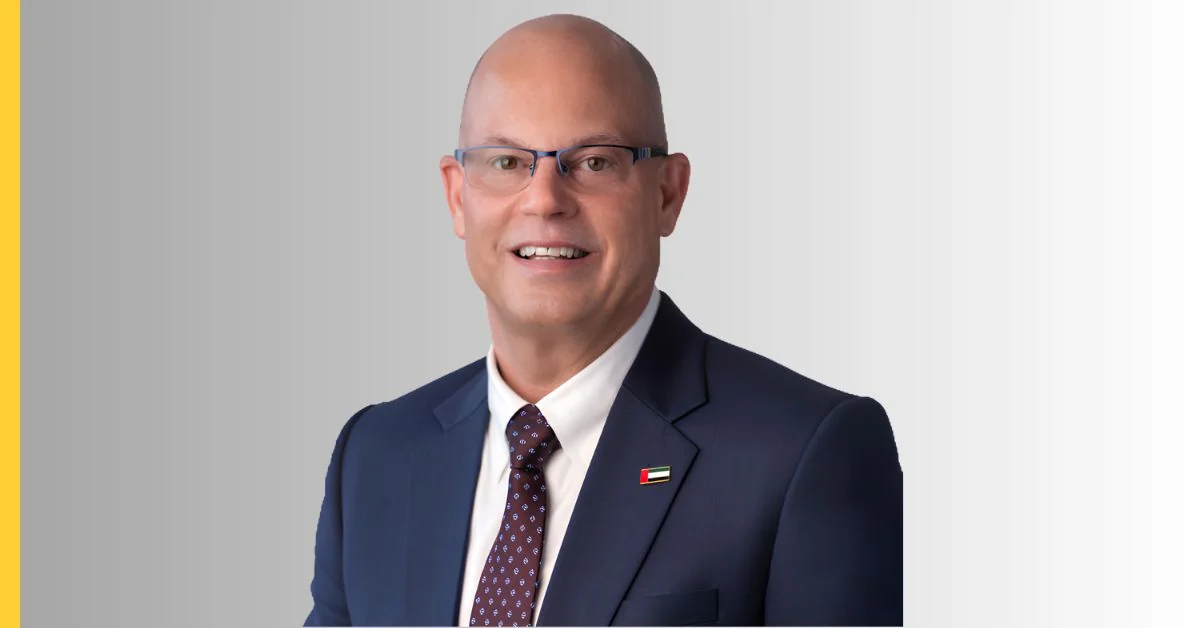
Kevin Mullally (pictured), who was appointed as the first CEO of the IAGR earlier this year, also talked up the campaign. He said it will encourage consumers to research websites properly before spending money or sharing personal information.
Those using unlicensed websites may be faced with unpaid winnings, limited options for resolving disputes and misuse of information, he suggested. The IAGR also said illegal sites do not offer the same responsible gambling protections as locally licensed operators.
In addition, consumers gambling with unlicensed sites may unknowingly fund criminal organisations involved in drug trafficking, human trafficking or terrorist financing.
“People often mistake visibility for trust,” Mullally said. “A professional-looking website or a recognisable name can give consumers confidence without knowing whether the site is properly licensed in that location.
“We want consumers to routinely check the licensing status of a site before opening an account or making a deposit.”
Share